
Original briefings. Zero spin.
Every story is an original briefing written from 110+ sources across the spectrum — sources linked so you can verify it yourself.
 economy
Low Interest (4/10)
September 14, 2026 at 02:15 PM
economy
Low Interest (4/10)
September 14, 2026 at 02:15 PM
Peter Schiff Warns Weak Treasury Demand and Yen Carry Trade Could Feed a 'Dangerous Feedback Loop'
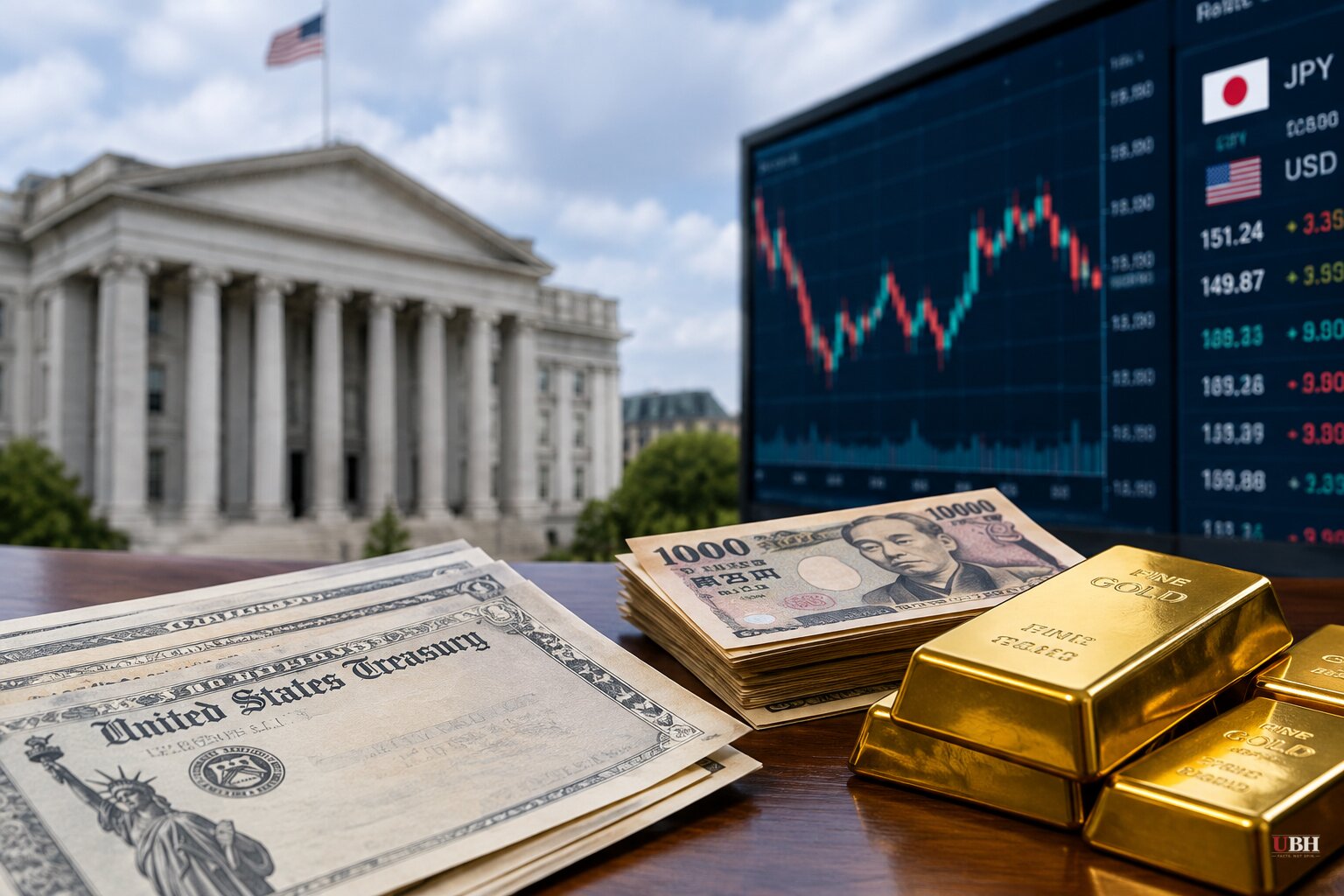
Peter Schiff, the perennial dollar bear and gold advocate who runs SchiffGold, laid out a scenario on the CapitalCosm podcast in which weak Treasury demand and volatility in the Japanese yen combine to trigger a wider sell-off in US government debt.
Schiff, speaking with host Danny, pointed to a recent Treasury auction he said drew tepid interest despite yields he considers inadequate. "$6 billion is nothing," Schiff said, according to SchiffGold's writeup of the interview. "There's so much debt out there that nobody wants because the yields are not high enough to offset what you're gonna lose to inflation over the course of the maturity of these 10 year to 30 year US Treasuries."
Schiff argued that a yield around 4.85% looks high only by the standards of the post-2008 era, when the Federal Reserve held rates near zero for years. "Prior to that crisis, this was not a high rate," he said. "And rates should be much higher now than they were pre-2008 because back then we had a fraction of the debt that we have now."
The Yen Carry Trade Angle
Schiff then turned to Japan, where he says currency swings threaten to disrupt one of the world's biggest sources of demand for US assets: the yen carry trade, in which investors borrow cheaply in yen to buy higher-yielding dollar assets, including Treasuries.
He described the dynamic as a trap that works against the US bond market no matter which way the yen moves. "If the yen keeps falling, that puts more pressure on Japan to sell treasuries to buy yen," Schiff said. "But if the yen keeps rising, that blows up the yen carry trade. And then a lot of other owners of US Treasuries are gonna be selling."
In Schiff's telling, that leaves Washington hoping for a narrow outcome: a yen that neither collapses nor strengthens enough to force large-scale selling from either Japanese institutions or carry-trade investors who borrowed yen to buy dollar assets.
"We Haven't Done It"
Schiff dismissed the idea that the United States can simply out-grow its debt, a promise he says has been made by policymakers for decades without being fulfilled. "Politically, there's no viable way out of this other than to grow our way out," he said. "The problem is they've been talking about growing our way out of the debt for 40 or 50 years. This is not new and we haven't done it. The problem keeps getting bigger and bigger because the debt grows faster than the economy."
He added that Washington's current hope rests on artificial intelligence delivering an economic boost large enough to outpace the debt's growth, a bet he characterized skeptically rather than as a settled outcome. The SchiffGold writeup indicates Schiff went on to connect this to the 2026 midterms and to his expectations for the next Federal Reserve chair, arguing that whoever takes the job will continue an inflationary policy path he says every Fed chair before them has chosen.
Context Worth Weighing
Schiff has been predicting a dollar and Treasury market reckoning for the better part of two decades. His firm sells gold as a hedge against the very outcome he is forecasting, giving him a direct financial interest in the narrative he promotes on podcasts and in written commentary.
That does not make his underlying arithmetic on federal debt wrong. Total US federal debt has climbed for years regardless of which party controls Washington, and the mechanics of the yen carry trade he describes are a real and widely discussed feature of global bond markets.
What remains unverified from this interview alone is the scale and timing Schiff attaches to his scenario, and whether the $6 billion auction shortfall he cites reflects a broader trend in Treasury demand or a single soft data point. No Treasury Department statement or independent market data accompanies these claims in the material reviewed here, leaving the size of the "feedback loop" he describes an open question for now.
Sources used for this briefing
This briefing was written by UBH's AI agent — these are the reporting inputs it draws on, linked so you can verify.


