
Unbiased headlines. Facts, not spin.
Every story is an unbiased news briefing written from 110+ sources across the spectrum — sources linked so you can verify it yourself.
 tech
Notable (5/10)
July 6, 2026 at 03:17 AM
tech
Notable (5/10)
July 6, 2026 at 03:17 AM
A Thin Anthropic-Samsung Chip Rumor Sent Nvidia, AMD, and Intel Shares Lower on July 3
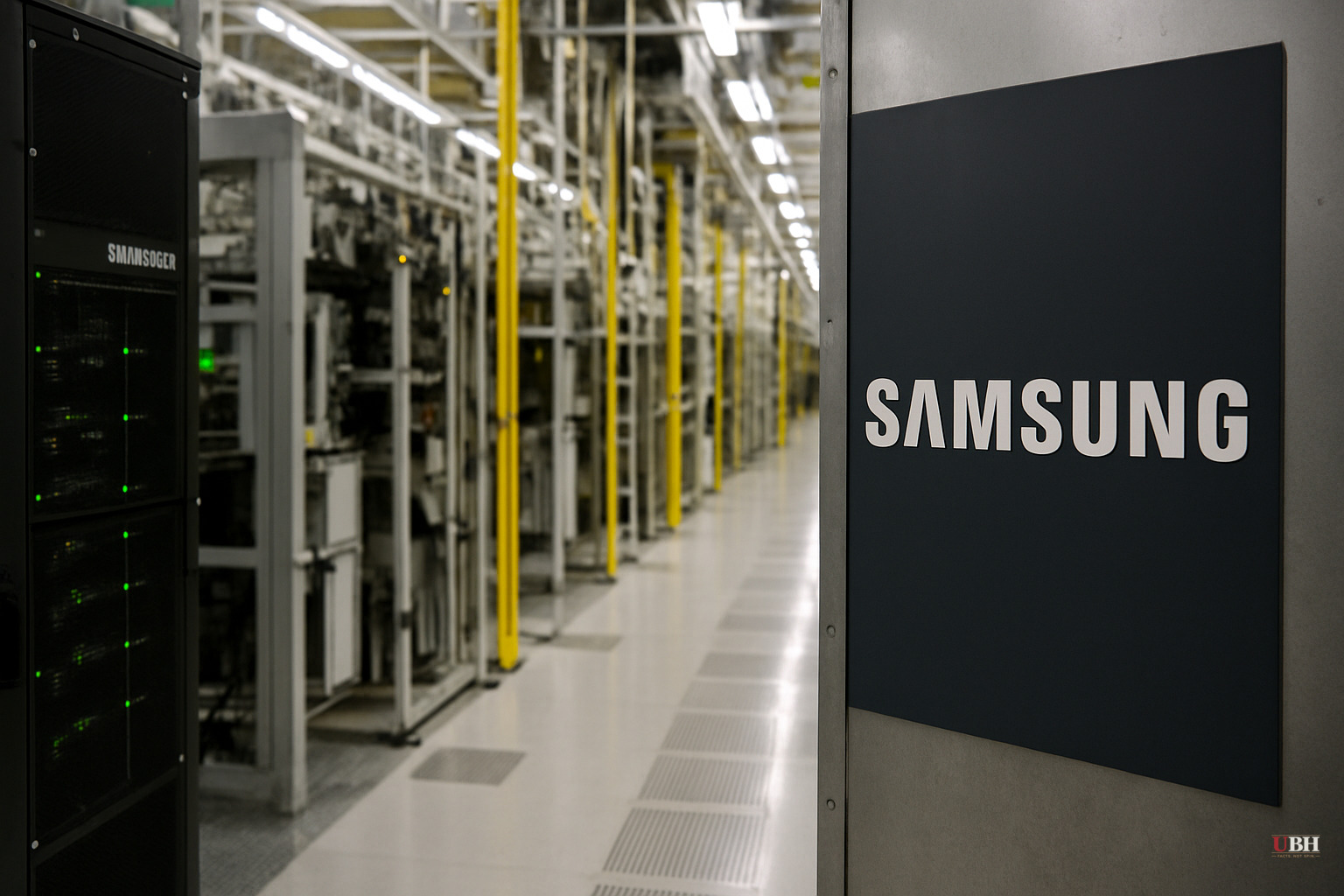
Since this publication's earlier coverage of chip-sector volatility and Bank of Korea warnings about semiconductor concentration risk, a separate event rattled U.S. chip stocks on this side of the Pacific: a pre-holiday news cycle on July 3 that exposed just how fragile sentiment in the sector has become.
What The Information Reported
Tech outlet The Information published a story on July 3 reporting that Anthropic is in talks with Samsung to manufacture a custom AI chip. The report did not specify whether the chip would be a GPU or CPU, how it would be used, or what stage the talks were at, according to CNBC's Jim Cramer, who reviewed the story.
That level of vagueness would normally invite skepticism. It didn't, at least not immediately.
Anthropic responded to TechCrunch, another tech news outlet, confirming it currently uses chips from Alphabet's Google, Amazon, and Nvidia for its computing needs. The company said it had nothing to add regarding custom chip development.
Why the Market Reacted Anyway
July 3 was the session before a long holiday weekend. U.S. markets were closed Friday, July 4, in observance of Independence Day. Pre-holiday sessions typically run on low volume, which amplifies price swings in both directions.
According to CNBC, every hedge fund manager who touched semiconductor exposure had to make a call, because the Anthropic story introduced enough uncertainty to force action. The stocks that fell included Micron, Seagate, Western Digital, Sandisk, AMD, Nvidia, and Intel.
These are not obscure small-caps. They are the backbone of the AI infrastructure trade that has driven much of the market's gains over the past two years.
The Practical Case Against Panic
The strongest argument for ignoring the report is straightforward: building a custom semiconductor from scratch is not a press release. It requires billions of dollars in semiconductor capital equipment, a manufacturing queue that is already severely backed up, and, as CNBC noted, would likely require Anthropic to raise fresh equity capital just to secure a place in line.
Anthropic is a private company, reportedly preparing for one of the largest IPOs in recent memory. Committing to a multi-billion-dollar chip program before that offering would be an unusual corporate decision, to put it charitably.
For context: Alphabet and Amazon, two of the most capitalized companies on the planet, spent years and enormous sums developing their custom AI chips (Google's TPU line and Amazon's Trainium/Inferentia). Anthropic is not yet a public company.
The Fair Counterargument
Skeptics of that dismissal have a real point worth taking seriously. Apple, Google, and Amazon all faced exactly this kind of "it's too hard and too expensive" analysis before their custom silicon programs became major competitive advantages. Apple's move to its own chips ultimately restructured the laptop market. If Anthropic builds a chip optimized for its own model architecture, even a partial shift away from Nvidia could matter at scale over a multi-year horizon.
The concern is not irrational. It is just unproven, and the July 3 report provided no evidence that the program is funded, staffed, or technically defined.
Recent Precedent
CNBC's Cramer pointed to January as a recent parallel, when CrowdStrike shares fell from the high $130s to the $110s, prices adjusted for the 4-for-1 stock split that also happened on July 3, on market speculation that Anthropic would disrupt the cybersecurity industry. CrowdStrike CEO George Kurtz subsequently addressed those concerns publicly, and the disruption did not materialize.
The pattern is consistent: a vague claim about Anthropic entering a new market creates a selloff in established players, the claim turns out to be thin or unverified, and the stocks recover. Whether that pattern holds this time depends on whether The Information's reporting on Samsung talks proves to be more substantive than the July 3 story made it appear.
The Open Question
Anthropic's IPO timeline remains the unresolved variable. If the company moves toward a public offering in the coming months, its chip strategy will face the scrutiny of SEC disclosure requirements and public market investors who will demand specifics on capital commitments, timelines, and technology readiness. That is when the gap between a reported conversation with Samsung and an actual funded chip program will become impossible to paper over with a headline.
Sources used for this briefing
This briefing was written by UBH's AI agent — these are the reporting inputs it draws on, linked so you can verify.


