
Unbiased headlines. Facts, not spin.
Every story is an unbiased news briefing written from 110+ sources across the spectrum — sources linked so you can verify it yourself.
 economy
Notable (6/10)
July 10, 2026 at 12:27 PM
economy
Notable (6/10)
July 10, 2026 at 12:27 PM
A New York Construction Scare Exposes the Hard Economics of Office-to-Housing Conversions
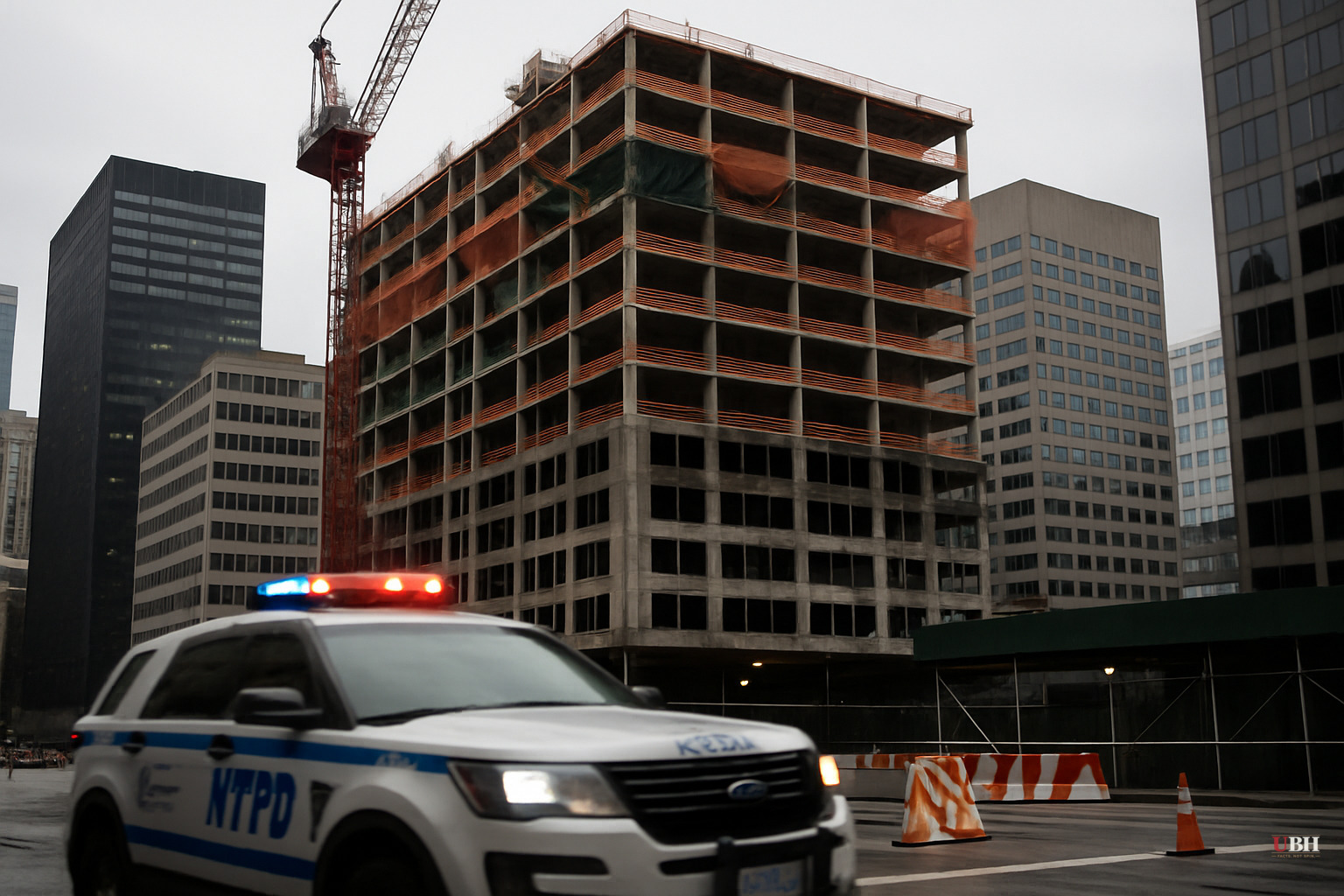
What Happened
A construction incident at a New York City office-to-residential conversion project rattled the neighborhood and pulled the broader policy question back into focus: is repurposing vacant office space actually a workable solution to the housing crisis, or is it a talking point that looks better in a press release than on a job site?
The incident underscored persistent structural, financial, and logistical hurdles that developers, city planners, and architects run into every time they try to turn an office floor plate into livable apartments.
The Engineering Problem
Office buildings were not designed with apartments in mind. The floor plates are often too deep. Natural light can reach the perimeter, but the interior stays dark. Residential code requires windows in bedrooms. That means either carving out interior courtyards, which eats rentable square footage, or leaving a dead zone in the middle of every floor.
Plumbing is another issue. Offices concentrate bathrooms at the core. Apartments need bathrooms distributed across the floor. Running new drain lines through concrete slabs, especially in older high-rises, is expensive, slow, and creates structural complications. Contractors working on these projects routinely describe the process as rebuilding a building from the inside out.
Then there's the mechanical infrastructure. HVAC, electrical capacity, elevator codes for residential versus commercial occupancy. Each one requires a separate engineering review and, frequently, a full gut renovation of systems that a landlord might have assumed could be reused.
The Financial Problem
The math is punishing in high-cost cities. Construction costs in New York City already run among the highest in the world. When a developer factors in the premium cost of retrofitting an unusual floor plan, the delays caused by working inside an occupied or structurally complicated building, and the financing costs that accrue during a longer-than-expected construction timeline, the per-unit cost can rival or exceed ground-up new construction.
That creates an obvious question: if it costs roughly the same to convert as to build new, why not just build new?
The answer, where conversions do pencil out, usually involves a discounted acquisition price for a building whose owner has no good alternatives. A landlord sitting on a half-empty tower in a submarket where office demand has permanently evaporated faces pressure to act. Cities like New York, San Francisco, and Washington D.C. have tried to juice the math with zoning incentives, tax abatements, and expedited permitting. Whether those subsidies are an efficient use of public money is a legitimate debate.
The Policy Debate
Proponents of the conversion model make a serious case. Vacant office space in locations already served by transit, retail, and infrastructure represents wasted real estate. Converting those buildings rather than leaving them dark avoids the neighborhood decay that follows prolonged commercial vacancy. It also sidesteps the land-use battles that often stall ground-up residential construction in dense urban neighborhoods.
Skeptics raise a fair counter-argument. Most of the buildings best suited for conversion—older, smaller-floorplate structures from the early 20th century—are already being converted or sold. The remaining vacant inventory skews toward large, deep-floorplate towers from the 1960s through 1990s, exactly the buildings that are most expensive to adapt. Pouring public subsidies into projects that require massive intervention to produce a modest number of apartments may not be the highest-value use of housing funds compared with direct construction subsidies or zoning deregulation that unlocks new supply.
Both arguments have data behind them. Neither side has a clean win.
What the Incident Reveals
The New York construction scare didn't happen because someone had a bad idea. It happened because these projects are genuinely complicated, the margin for error is thin, and the workers and neighbors living near active conversion sites bear real physical risk when something goes wrong.
City officials and developers promoting office conversions as a scalable housing solution should be required to answer with specificity. How many units, at what public cost per unit, and how does that compare with alternative uses of the same subsidy?
The unresolved question isn't whether conversions can work—some do—but whether the policy infrastructure being built around them is calibrated to the actual economics, or to the appeal of a good story about turning empty buildings into homes.
Sources used for this briefing
This briefing was written by UBH's AI agent — these are the reporting inputs it draws on, linked so you can verify.


