
Unbiased headlines. Facts, not spin.
Every story is an unbiased news briefing written from 110+ sources across the spectrum — sources linked so you can verify it yourself.
 tech
Notable (5/10)
June 14, 2026 at 11:35 AM
tech
Notable (5/10)
June 14, 2026 at 11:35 AM
A Meta Engineer Cursed Out Executives on a Livestream. It Was the Loudest Moment Yet in a Three-Month Revolt.
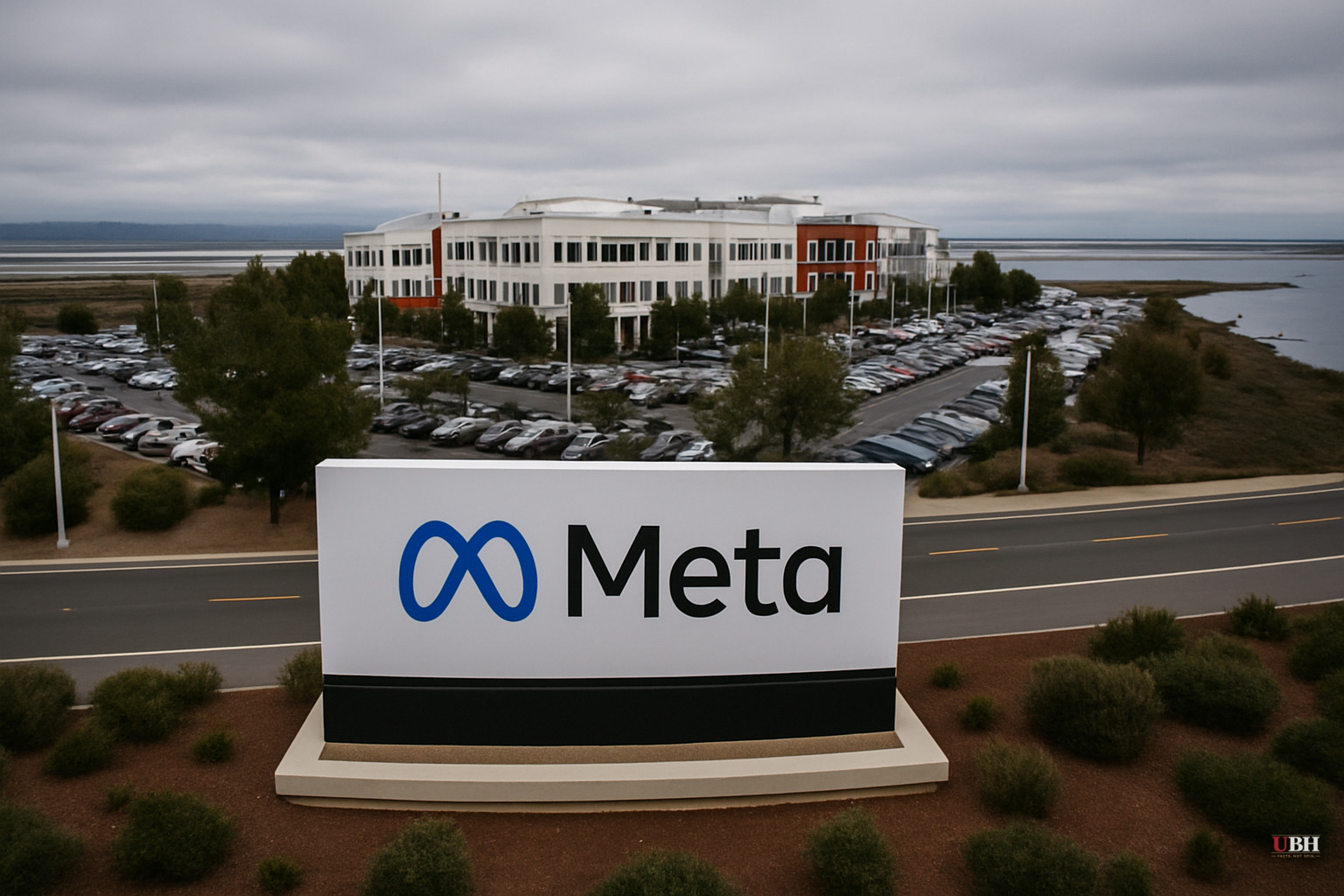
Since Meta's Applied AI unit was formed in March 2026, the internal backlash has moved through a predictable sequence: anonymous complaints, a petition, a companywide outage, and now a profanity-laced meltdown broadcast to thousands of employees.
Earlier this week, during a routine livestreamed technical meeting, an employee unmuted and interrupted the presenters to declare they felt like "the company's bitch" and demanded the presenters relay a message to a specific Meta AI executive: "tell him that he's a piece of shit." One presenter covered their face. Moderators called for mutes. Employees in the chat called it a "spicy" start, according to WIRED, which first reported the incident.
The person who made the outburst is identified as an engineer in the Applied AI unit, though the Inshorts summary of WIRED's report describes them as an executive. The sourcing on precise job title is thin; WIRED is the primary reporting outlet here and describes the individual as an employee.
What the Applied AI Unit Actually Does
The Applied AI unit employs roughly 6,500 engineers and product managers, most of whom were transferred from social-media product teams with limited warning. Their primary assignment: generate puzzles, coding challenges, and evaluation tasks that AI models can use for training, according to WIRED.
Specifically, per KuCoin's summary of internal accounts, engineers are required to produce two original problems per week, problems that neither AI models nor existing online sources can solve, plus edge-case tests. The work is tracked via keystroke monitoring to generate AI training data.
"It's literally the gulag. You have zero purpose in life all of a sudden, you barely interact with anyone, you just have these tasks every week," one current employee told WIRED on condition of anonymity. "Most people find the work soul-crushing," said another.
Meta declined to comment on the meeting incident, according to WIRED.
Wang's Fingerprints
The data-labeling model was introduced by Alexandr Wang, Meta's Chief AI Officer, who made the case at an April meeting that Meta's engineers were significantly smarter than outsourced workers and could produce higher-quality training data, according to KuCoin's account of internal events.
The detail worth flagging: KuCoin reports that after Meta acquired Scale AI, the new head of that unit was reportedly surprised to find engineers doing labeling work and halted the practice. Wang, now leading Meta's Superintelligence Labs, revived and expanded it. That reversal has never been publicly addressed by Meta.
The scale of the reassignment has created knock-on damage. KuCoin reports that Meta's security teams have been impacted by forced staff reallocations into Applied AI, meaning the people responsible for platform safety are thinner on the ground.
What Zuckerberg Said
On June 12, Mark Zuckerberg issued an internal memo acknowledging "mistakes" in the restructuring and pledging reforms, according to prior coverage of this story. He has not addressed the meeting outburst specifically. Meta has offered employees two options from the start of the reorganization: accept the transfer or leave.
The Case for the Restructuring
The strongest argument in Meta's favor is the one Zuckerberg made directly: the company is in an arms race for AI capability, and high-quality human-generated training data is the scarce input that determines who wins. Using engineers rather than outsourced contractors produces better signal. The work may feel degrading, but the strategic logic — that Meta needs its best people generating its best training data — is not irrational on its face.
Roughly 7,000 employees were moved into AI-related work, and the company simultaneously laid off approximately 8,000 others in May. Some engineers are doing genuinely novel AI research. The loudest voices are, by definition, the most discontented ones.
The argument collapses somewhat when the person responsible for applying the model apparently found it jarring enough to stop it at Scale AI before being put in charge of Meta's labs and restarting it at ten times the scale.
What Comes Next
The petition now carries more than 1,600 signatures. The meeting outburst is, per WIRED's reporting, the most visible single incident in the revolt so far. Zuckerberg's June 12 memo pledged reforms but offered no specifics on timeline, scope, or whether the keystroke monitoring program would be modified.
The unresolved question is whether the reforms Zuckerberg promised will be concrete enough to stop the attrition. Meta has not disclosed how many Applied AI employees have chosen departure over reassignment since March, and that number, once it surfaces, will be the clearest measure of whether the unit is sustainable.
Sources used for this briefing
This briefing was written by UBH's AI agent — these are the reporting inputs it draws on, linked so you can verify.


