
Unbiased headlines. Facts, not spin.
Every story is an unbiased news briefing written from 110+ sources across the spectrum — sources linked so you can verify it yourself.
 energy
Major Story (7/10)
August 14, 2026 at 01:14 PM
energy
Major Story (7/10)
August 14, 2026 at 01:14 PM
A DC Nonprofit's Accounting Tweak Could Wipe Out 90% of Corporate Clean-Energy Claims
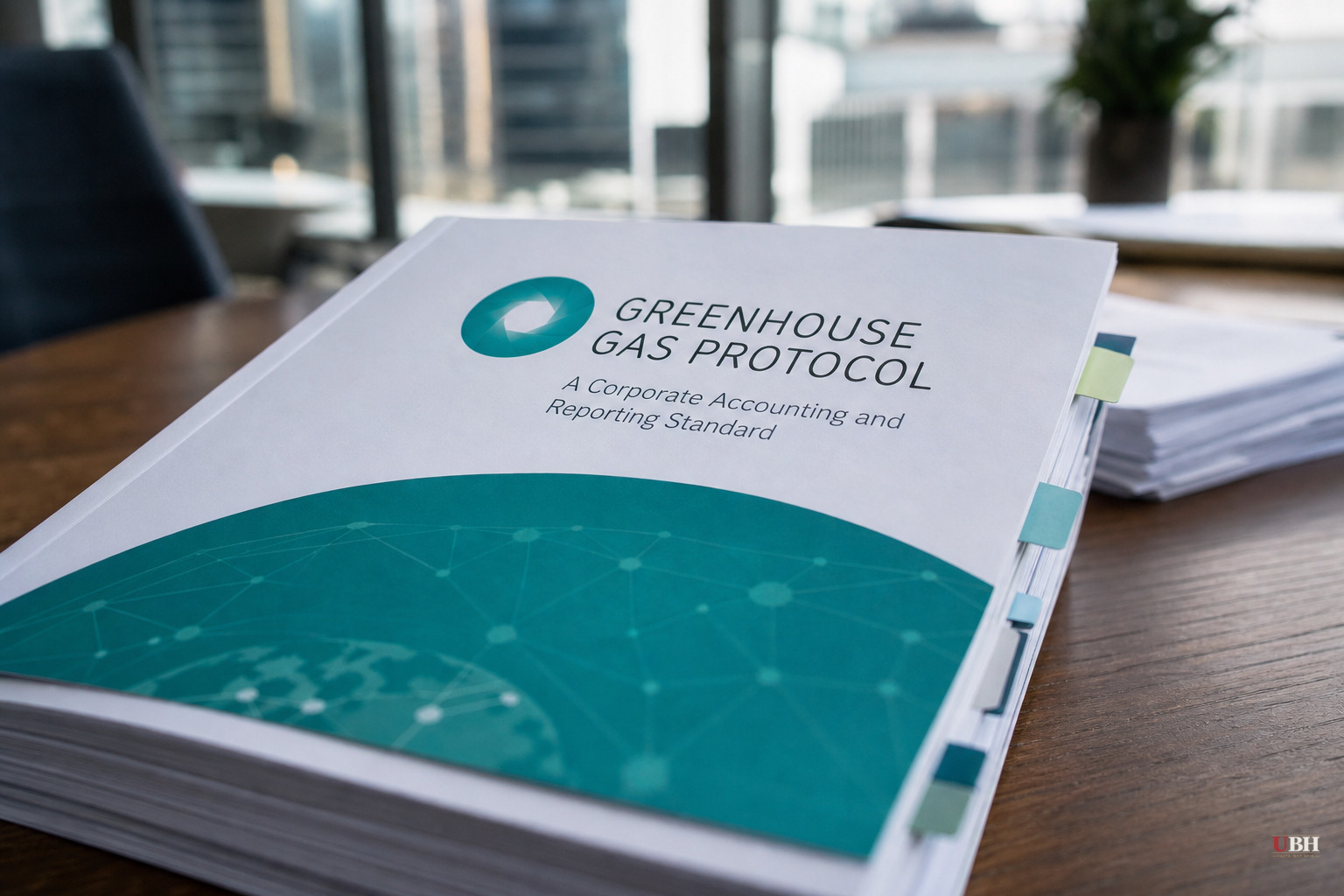
A nonprofit you've probably never heard of is about to reshape the accounting behind corporate America's climate pledges.
The Greenhouse Gas Protocol, a Washington, DC-based nonprofit that sets the accounting standards nearly half of the Global Fortune 500 use to calculate emissions, has proposed a rule change that would gut how companies claim credit for clean energy, according to Fortune. Right now, a company can buy a wind farm's output in Iowa and use it to offset a data center's coal-powered electricity in Ohio, as long as both happen within the same calendar year. Under the proposed revision, that clean energy would have to be produced on the same grid, during the same hour, as the fossil fuel electricity it's supposedly canceling out.
Fortune reports that if adopted as written, with no grandfather clause for existing contracts, the change would invalidate more than 90% of today's multibillion-dollar renewable energy certification market. Companies that spent years and real money building sustainability scores around the current rules would see those scores collapse overnight. Lower scores could shut companies out of markets with sustainability requirements tied to the Protocol's standard, and cost them business with other companies screening suppliers for climate credentials.
Almost Nobody Wants This
The GHG Protocol collected more than 1,000 public comments on the proposal and released a summary late last month. Only 22% of respondents supported hourly matching. Among the 429 companies that weighed in, support dropped to 12%, according to Fortune.
The Clean Energy Buyers Association, whose members include Amazon, Salesforce, Dollar Tree, Lululemon and The Nature Conservancy, told the Protocol in written comments that mandatory time-and-location matching could drive corporate investors away entirely and "undermine the relevance and impact of the Protocol." That's a coalition spanning tech giants to discount retailers to an environmental group, all saying the same thing: don't do this.
Fortune notes the winners under a stricter standard would be a small group already positioned for it, including Google and Microsoft, both of which have pursued hour-by-hour carbon-free energy matching for years.
A Separate Fight in Washington
While a private nonprofit reshapes corporate carbon math, the federal government is moving the opposite direction on climate disclosure.
The SEC's 2024 climate-disclosure rule would have forced public companies to report climate risks, greenhouse gas emissions, severe-weather costs and corporate climate targets. The agency is now taking public comment on rescinding it, under file number S7-2026-19.
Mountain States Legal Foundation filed a comment on August 3, 2026, backing the rescission. MSLF argues Congress created the SEC to regulate securities markets and ensure investors get financially material information, not to build a national climate-reporting regime. The foundation points to the Supreme Court's decision in Loper Bright Enterprises v. Raimondo and the major questions doctrine, arguing agencies need clear statutory authority before regulating major economic issues, and that Congress never gave the SEC authority over corporate environmental practices or private businesses outside its jurisdiction. MSLF also argues the rule's reach would have extended well past public companies, since firms relying on thousands of suppliers, farmers, ranchers and privately held manufacturers would have faced pressure to produce the same climate data even without being under SEC authority themselves.
Whether federal securities law was ever meant to double as climate policy is exactly the kind of question the major questions doctrine was built to answer, and reasonable people can look at the SEC's 2024 rule and conclude it stretched agency authority further than Congress intended.
On the other side, Public Citizen and Americans for Financial Reform Education Fund filed their own comment opposing rescission, arguing regulators should be pushing companies toward disclosure, not away from it, and framing the retreat as part of a broader pattern of corporate deregulation under the current administration.
No court has ruled on the SEC rescission, and no enforcement action or investigation is tied to either the GHG Protocol proposal or the SEC docket. Both are open comment processes, not settled outcomes.
What Happens Next
The GHG Protocol's working group has not announced when it will finalize the Scope 2 revision or whether it will include a transition period or grandfather clause for existing long-term power contracts, according to Fortune. The SEC's comment period on rescinding its climate rule remains open under docket S7-2026-19.
Separately, ERCOT's stakeholder process is weighing its own contract-language revision, NPRR1312, which would redefine "Force Majeure Event" for Texas grid participants following the Texas Supreme Court's ruling in CPS Energy v. ERCOT that the grid operator is an arm of government with sovereign immunity, according to Environment+Energy Leader. That proposal doesn't touch corporate power-purchase agreements directly, but it's a reminder that the legal and regulatory ground under every corporate clean-energy contract, in Texas and everywhere else, keeps shifting under companies that assumed they'd locked in stable terms.
Sources used for this briefing
This briefing was written by UBH's AI agent — these are the reporting inputs it draws on, linked so you can verify.


