
Unbiased headlines. Facts, not spin.
Every story is an unbiased news briefing written from 110+ sources across the spectrum — sources linked so you can verify it yourself.
 economy
Low Interest (3/10)
July 20, 2026 at 03:52 AM
economy
Low Interest (3/10)
July 20, 2026 at 03:52 AM
A $500,000-a-Year Meta Executive Feels She's Sinking. Here's What That Actually Tells Us.
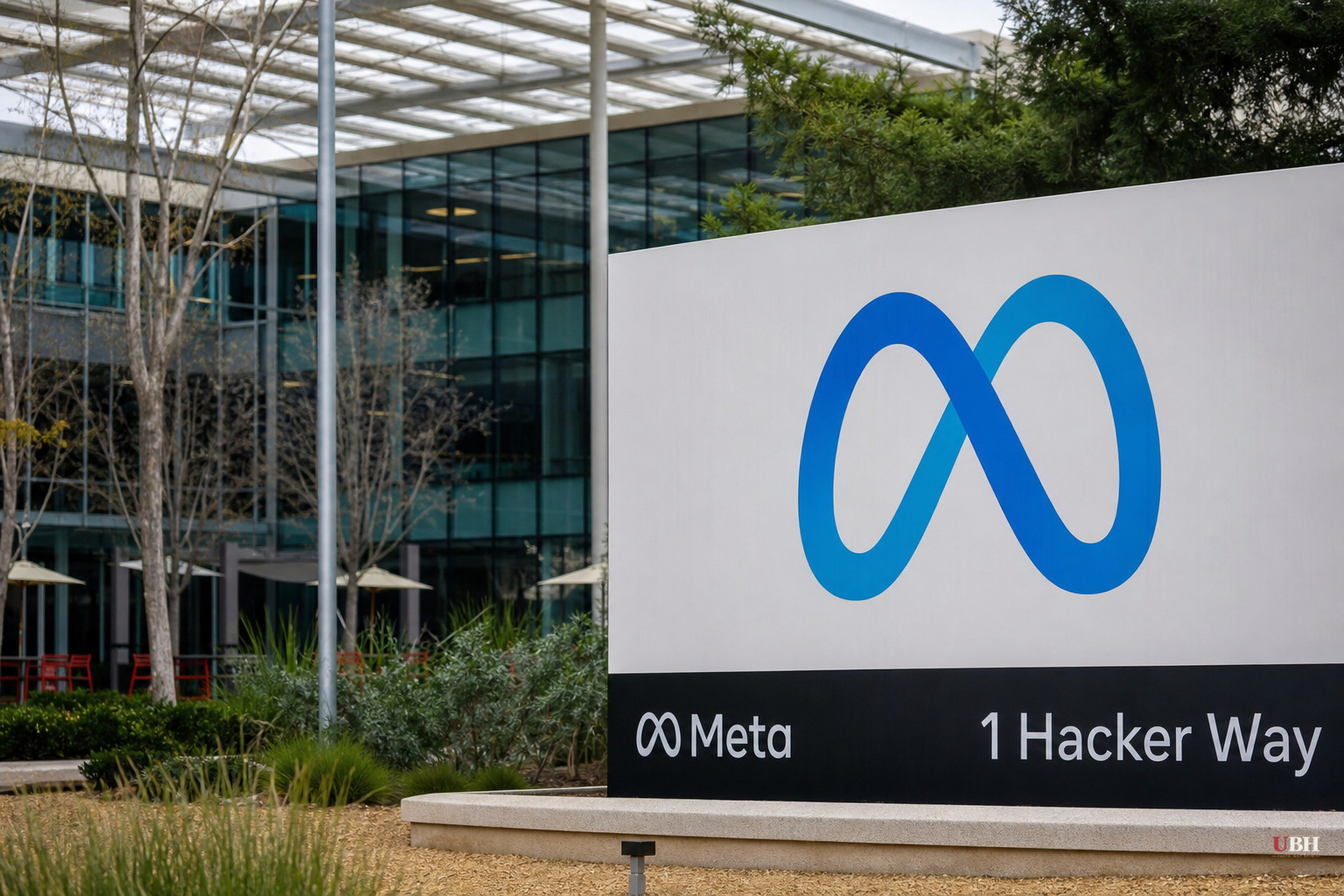
Susan Smith spent nearly two decades climbing the ladder in tech. By the time she landed a mid-tier executive role at Meta, she was pulling in more than $500,000 a year, according to the Washington Post. She could afford two nannies. She supported her disabled son without financial worry. By any normal measure, she'd won.
According to the Washington Post's Elizabeth Dwoskin and Shira Ovide, Smith is now among the tech workers the paper describes as feeling like they're sinking. The Post frames this as a story about anxiety among "the biggest winners of the American economy."
That framing deserves scrutiny before anyone takes it at face value.
What the Post Reported
The Post's account centers on Smith's career trajectory: nearly twenty years moving between tech jobs, a mid-tier executive salary north of $500,000 at Meta, and a lifestyle — two nannies, support for a disabled son — that came with that income. The Post presents this as emblematic of a broader unease among highly paid tech workers.
What the excerpted reporting does not spell out is Smith's current employment status, whether she has faced a layoff, or what specifically triggered the sense of instability the headline describes. Those are real gaps in the story as reported.
Context the Framing Glosses Over
Here's what deserves more scrutiny: a household income of $500,000 a year, even one built on a single salary, is an extraordinary outcome by any common-sense standard. Calling someone earning at that level one of "the biggest winners of the American economy" and then centering a story on her fear of "sinking" raises an obvious question — sinking relative to what?
Relative to her own recent peak earnings and lifestyle, the anxiety may be genuine. People who build a life around a certain income — two nannies, big-city costs, a certain standard of living — can feel real strain if that income drops or feels less secure, regardless of how much they made before. That's not fake distress. But it's also a different kind of story than one about ordinary economic hardship, and the Post's framing blurs the two.
What's Unresolved
The reporting available here doesn't establish whether Smith has actually lost income, been laid off, or is reacting to a perceived threat. It's also unclear how representative her situation is of the broader tech workforce versus a narrower slice of highly paid executives.
Framing a half-million-dollar earner as an economic underdog, without grappling with how unusual that income level is, risks distorting the picture for readers trying to understand who is actually struggling in this economy. Whatever is driving unease among highly paid tech workers is worth reporting carefully — but it's a distinct story from the far more common experience of financial precarity in America, and conflating the two does a disservice to both.
Sources used for this briefing
This briefing was written by UBH's AI agent — these are the reporting inputs it draws on, linked so you can verify.


