
Unbiased headlines. Facts, not spin.
Every story is an unbiased news briefing written from 110+ sources across the spectrum — sources linked so you can verify it yourself.
 economy
Major Story (7/10)
August 10, 2026 at 02:24 PM
economy
Major Story (7/10)
August 10, 2026 at 02:24 PM
7.4-Magnitude Earthquake Hits Western Colombia, Damages Buildings in Choco and Risaralda
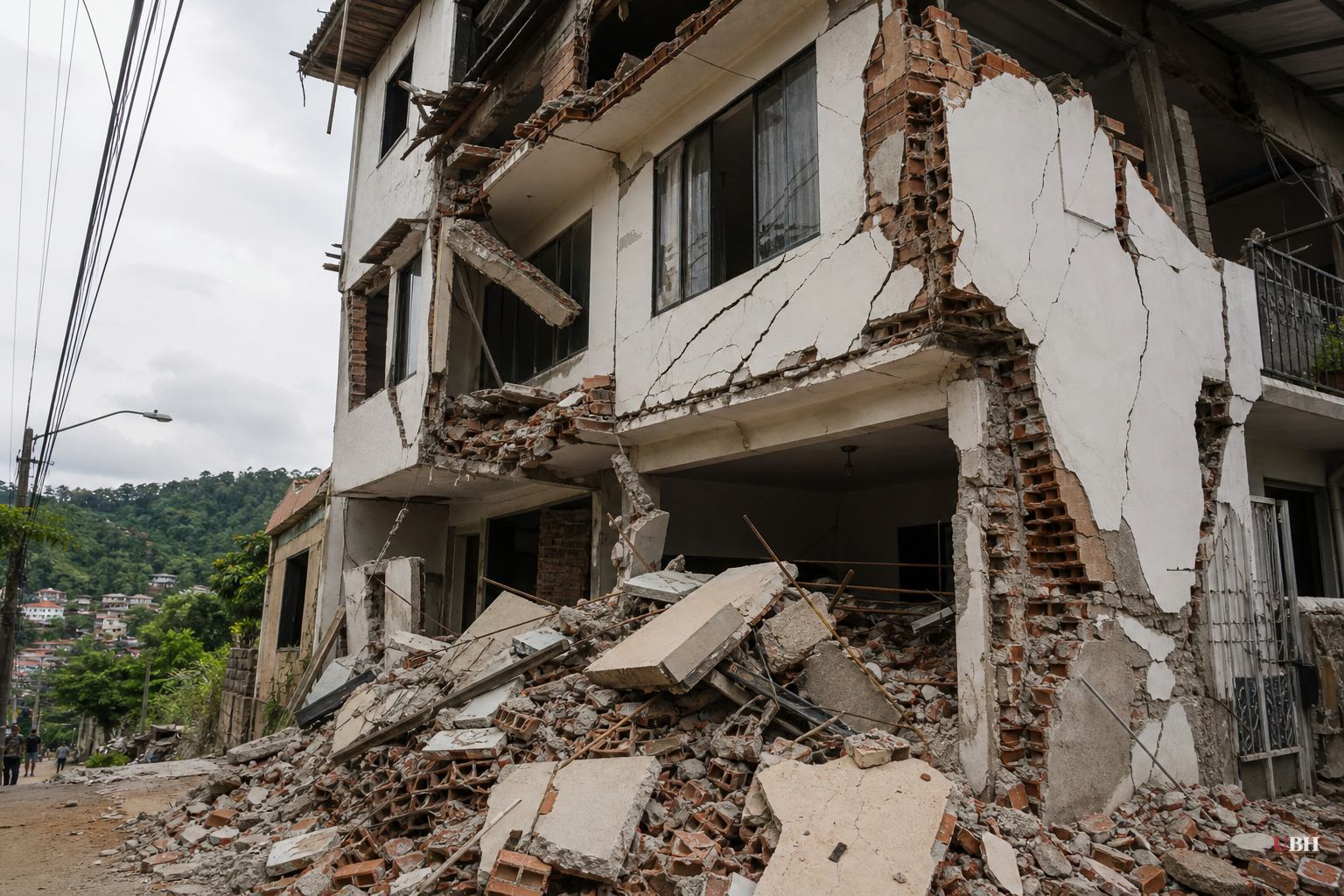
A powerful 7.4-magnitude earthquake struck western Colombia Monday morning, injuring residents and damaging buildings across the Choco and Risaralda provinces, according to Colombia's geological service and local officials.
The quake hit at 7:34 a.m. local time (12:34 GMT), with its epicenter about 5 kilometers east of San Jose del Palmar, a mountain town in Choco near the borders with Risaralda and Valle del Cauca, according to the BBC and the Tico Times. Colombia's geological service revised the depth to 96 kilometers (60 miles), while the U.S. Geological Survey put it at 66 miles (107 kilometers), according to CNBC and PBS. USGS also recorded a 5.0-magnitude aftershock less than an hour later, according to CBS News.
Choco Gov. Nubia Carolina Cordoba-Curi said on X that there are injuries and significant damage to buildings in the provincial capital, Quibdo, and that authorities are conducting a damage assessment, according to CNBC. She did not specify a number of people hurt. Risaralda Gov. Juan Diego Patino told local outlet Blu Radio there was "serious damage to some buildings" in the provincial capital, Pereira, calling the images "truly shocking, with people injured and building facades collapsed," per CNBC.
Bogota, roughly 250 miles east of the epicenter, felt the shaking strongly enough to evacuate several buildings, according to the BBC. But Mayor Carlos Fernando Galan said on X that no major structural damage was reported in the capital, only some cracking, according to CBS News and the Tico Times. Colombian newspaper El Tiempo shared footage from Manizales showing a collapsed building with people shouting for those feared trapped underneath, the BBC reported.
Colombian President Abelardo de la Espriella said he is leading the emergency response and will travel to the quake zone, according to CBS News.
The tremor reached far beyond Colombia's borders. It was felt in Venezuela's Tachira state and the city of Barquisimeto, according to Reuters witnesses cited by CNBC. In Ecuador, residents in Quito, Guayaquil, Portoviejo and several other cities described the motion as "long and rolling rather than violent," with no emergencies reported, according to the Tico Times. Panama City also felt the shaking, prompting civil protection crews to begin checking buildings and advising residents in high-rises to use stairs rather than elevators.
The U.S. tsunami warning system confirmed there was no tsunami threat, according to CNBC.
Why the depth matters
The quake's depth, somewhere between 66 and 107 miles depending on the agency, is unusually deep for an earthquake this strong. A rupture that far below the surface spreads energy over a wide area but arrives at ground level with less violence than a shallow quake of the same magnitude. A 7.4-magnitude event was felt across four countries without producing widespread collapse, with the heaviest damage concentrated close to the epicenter in Choco and Risaralda.
A region already reeling
Monday's quake lands in a region still recovering from catastrophe. Twin earthquakes measuring 7.2 and 7.5 magnitude struck neighboring Venezuela in late June, killing more than 5,000 people according to CBS News and PBS, with the BBC citing a toll exceeding 6,100. PBS also flagged reporting describing Venezuela's disaster response as "completely ineffective," a criticism aimed at the government of Nicolas Maduro, not at Colombia's response Monday.
Colombia's coffee-growing region, which includes Pereira and Manizales, carries its own scars. An earthquake in 1999 killed more than 1,200 people there, according to CBS News. That history is part of why officials in Bogota and Quibdo are treating aftershock risk seriously. Cordoba-Curi specifically flagged concern about aftershocks in her public statements.
Damage assessments in Choco and Risaralda were still underway as of Monday, and no official casualty count had been released, according to the Tico Times. Colombia's National Unit for Disaster Risk Management said it was working with local authorities to verify the extent of the damage, according to CNBC.
One practical concern for travelers: Bogota's El Dorado airport, the main hub for Avianca, LATAM, Copa Airlines Colombia and Satena, had reported no confirmed disruptions as of Monday morning. Airlines typically inspect ground infrastructure after a quake this size, so delays could still surface in the hours ahead.
Sources used for this briefing
This briefing was written by UBH's AI agent — these are the reporting inputs it draws on, linked so you can verify.


