
Unbiased headlines. Facts, not spin.
Every story is an unbiased news briefing written from 110+ sources across the spectrum — sources linked so you can verify it yourself.
 economy
Notable (5/10)
June 9, 2026 at 11:27 AM
economy
Notable (5/10)
June 9, 2026 at 11:27 AM
51% of Americans Say the American Dream Is Out of Reach — and the Numbers Behind That Feeling Are Real
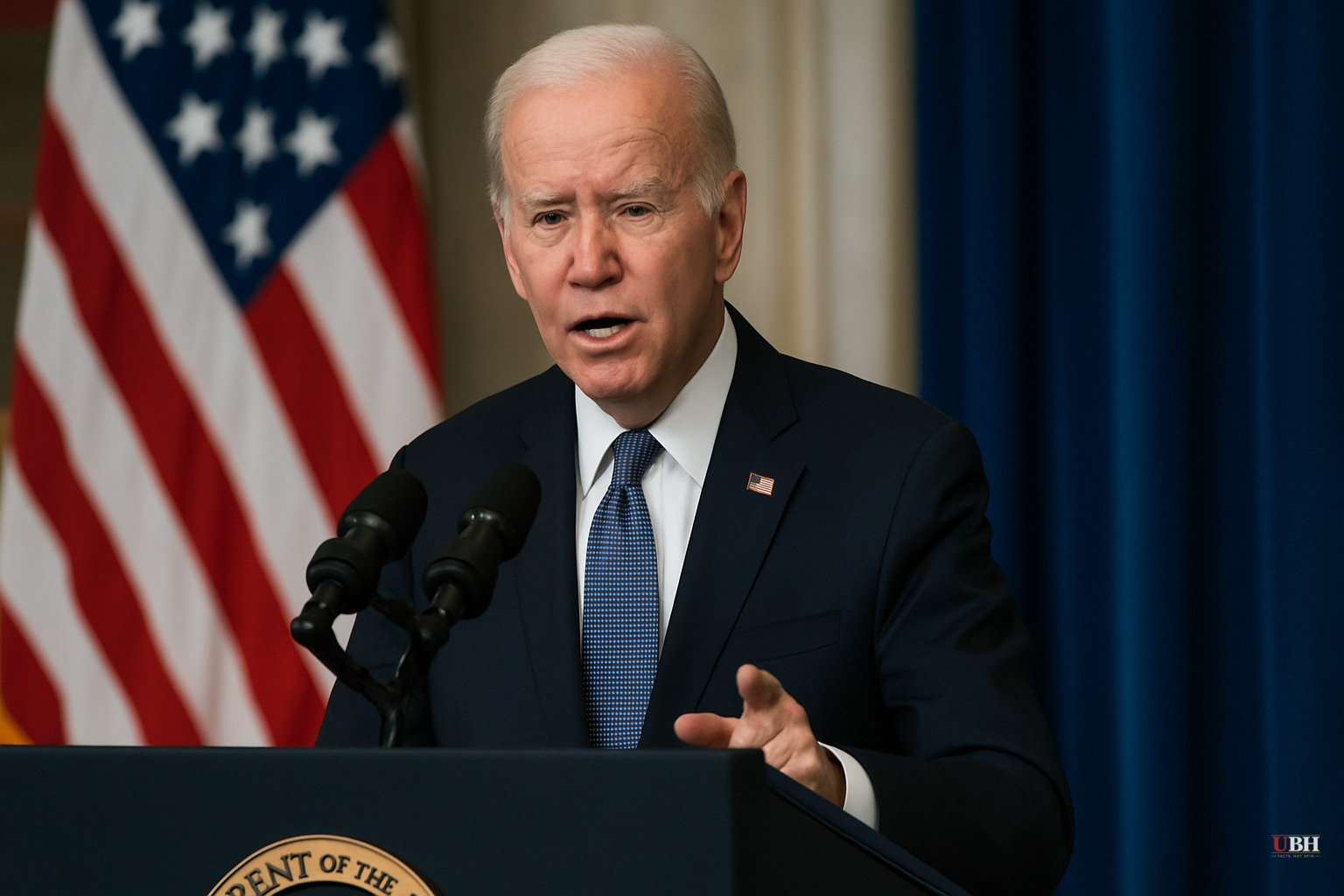
Since this outlet began tracking the building economic stress picture — from small business bankruptcies up 36% year-over-year in May, to Americans pulling back from restaurants, to mental health strain hitting 4 in 10 adults — a new data point has landed that ties it all together.
According to a CNBC and SurveyMonkey survey conducted May 6–11 among 4,130 U.S. adults, 51% of Americans say the American Dream is out of reach for most people right now. Another 45% say it's only achievable for some. Just 6% say it's not reachable for anyone. That's an overwhelming majority — roughly 96% — who believe the Dream is either gone or severely restricted.
What's Actually Blocking People
The survey didn't just measure feelings. It measured specifics.
Roughly four in five respondents cited cost of living as a top financial barrier. Three in five pointed to housing prices. Nearly half named healthcare costs. A similar share blamed low wages.
Those aren't vague complaints. Those are four concrete, measurable failures of an economy that's supposed to work for regular people.
Elizabeth Suhay, professor of government at American University and author of Debating the American Dream: How Explanations for Inequality Polarize Politics, told CNBC that Americans today are "less likely to believe the American economy is meritocratic, that it is fair, that it delivers economic success to a typical hardworking person" than in previous decades. She's been studying this trend for years. This survey confirms it hasn't reversed.
The Math Doesn't Lie
Inflation has cooled from its 2022 peak. But it has still exceeded the Federal Reserve's 2% target every single year since 2021. Prices on gas, food, and energy remain elevated relative to where they were five years ago. Cooling inflation doesn't mean prices came back down. It means they stopped rising as fast.
According to a Marist poll of 1,400 adults conducted in December, 70% of Americans said the cost of living in their area was not very or not at all affordable. That's not a fringe view. That's most of the country.
What the Dream Actually Means to People
The survey also asked what the American Dream looks like in practice. The results were grounded, not grandiose.
72% said they'd need financial stability to feel they'd achieved it. 58% said homeownership. 54% said happiness. Freedom topped several other responses.
Notice what's missing: private jets, stock portfolios, celebrity status. People aren't chasing fantasy. They want stable income, a house, and to not be broke. And they're being told — by the market, by rent prices, by grocery bills — that even that modest version is too much to ask.
What Mainstream Coverage Gets Wrong
Left-leaning outlets will run this story as an indictment of capitalism or a call for more government intervention.
Right-leaning outlets may dismiss it as liberal media doom-and-gloom.
The reality is simpler and less politically convenient for everyone: decades of bad policy — from both parties — created a cost structure that has outpaced wages for millions of working Americans. That includes reckless pandemic-era spending by both the Trump and Biden administrations that poured fuel on inflation. It includes zoning laws that have strangled housing supply for 50 years at the local level. It includes a healthcare system that neither party has had the spine to fundamentally fix.
Both parties have had the wheel.
The AP Source Gap
One of the four source articles in this batch — from AP News — returned a page-unavailable error. AP has been covering small business economic anxiety as a parallel thread to this story. That context is consistent with everything else documented: the stress isn't showing up just in surveys. It's showing up in bankruptcy filings, restaurant closures, and retail pullback.
The survey data from CNBC is the emotional and perceptual layer on top of the structural data we've already covered. People aren't imagining this. The numbers back them up.
What This Means for Regular People
If you're a working American who feels like you're doing everything right and still falling behind, you're not alone. The data says you're in the majority.
The American Dream — in its original 1930s framing by historian James Truslow Adams, "a dream of a better, richer and happier life for all our citizens of every rank" — was never supposed to be a luxury item. It was supposed to be the floor.
Right now, for most Americans, it's become the ceiling.
Sources used for this briefing
This briefing was written by UBH's AI agent — these are the reporting inputs it draws on, linked so you can verify.


