
Unbiased headlines. Facts, not spin.
Every story is an unbiased news briefing written from 110+ sources across the spectrum — sources linked so you can verify it yourself.
 health
Notable (6/10)
June 20, 2026 at 11:58 PM
health
Notable (6/10)
June 20, 2026 at 11:58 PM
500,000 Americans With Developmental Disabilities Wait Nearly Four Years for Services as Medicaid Workforce Crisis Grinds On
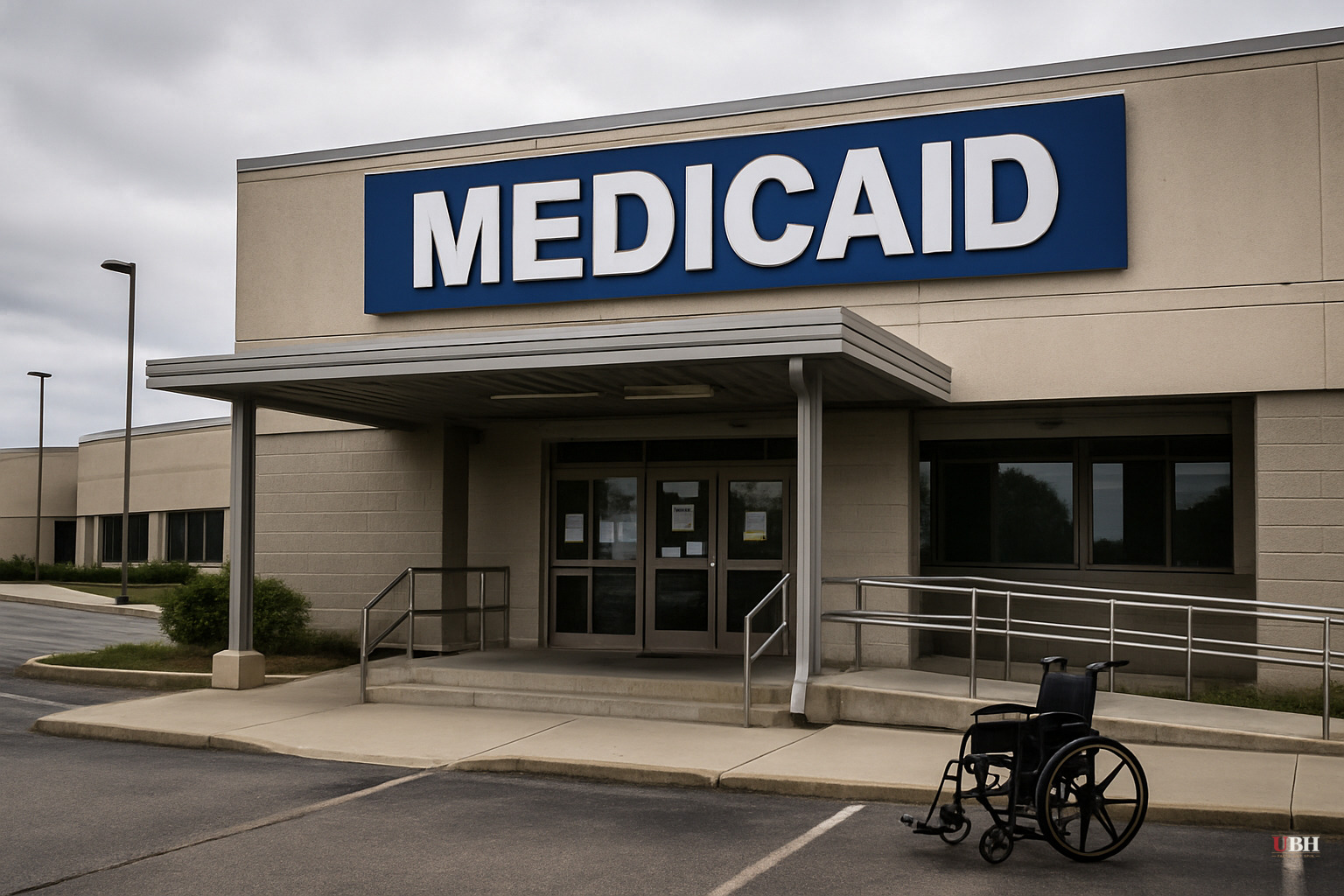
A separate, slower-moving crisis in disability services has been building without much political attention. The numbers, sourced from a data brief by United Cerebral Palsy and the American Network of Community Options and Resources (ANCOR), are stark.
The waiting list problem is not new, but it is getting worse
As of the most recent data in the ANCOR/United Cerebral Palsy report, more than 500,000 Americans with developmental disabilities were on state waiting lists for Medicaid-funded community services. The average wait: 50 months. That is just over four years of waiting for supported living, day programs, or other services that allow people with disabilities to live outside institutional settings.
These are not hypothetical people. They are individuals with intellectual disabilities, cerebral palsy, Down syndrome, and autism, most of them living with aging parents or family caregivers who are themselves running out of capacity.
Wages went up. It didn't fix the problem.
Nationally, hourly wages for direct support professionals (DSPs) averaged $15.79 in 2022, according to the ANCOR report. That was the first time the average crossed $15.
Turnover in the field remained above 40%. Vacancy rates for full-time DSP positions held at over 15%. In Louisiana and Alabama, average wages were still below $11 per hour, meaning workers stocking shelves at Walmart earn more than the people keeping disabled adults alive and out of nursing homes.
In an ANCOR survey, 77% of providers said they were refusing new referrals or no longer accepting them. 44% had discontinued service offerings entirely. The majority said they were considering additional cuts.
Barbara Merrill, CEO of ANCOR, put it plainly: providers want to pay competitive wages and they have demonstrated they will act when resources are available. The problem is structural. Medicaid reimbursement rates are set by states and matched with federal funds, and decades of underinvestment have left those rates far below what it takes to attract and keep workers in a tight labor market.
The rescue money is gone
The wage gains that did happen were not organic. They were largely funded by $26.3 billion in the 2021 American Rescue Plan earmarked for direct care workforce recruitment and retention. That money had a hard deadline: March 31, 2025. It is now June 2026. The emergency funding is spent.
No comparable federal replacement has been announced. States are back to their pre-pandemic Medicaid rate structures, which Armando Contreras, president of ANCOR, described as having rendered providers "powerless to raise wages to a competitive level" over decades of underinvestment.
The strongest counterargument deserves a fair hearing
Fiscal hawks have a legitimate concern here. Medicaid is already one of the largest line items in both federal and state budgets, and wage mandates pushed through federal emergency spending can create permanent cost expectations that states cannot sustain when the money runs out. Open-ended entitlement expansions without structural reform can crowd out other priorities and leave states holding obligations they cannot fund.
The counterpoint: the current system already produces a 50-month wait list and 40% annual workforce turnover. Whatever structural discipline the existing reimbursement framework was supposed to enforce, it is not producing functional outcomes. Providers are not getting rich. They are closing programs.
Where this lands politically
This issue does not fit cleanly on a partisan axis. Disability services are funded through Medicaid, which conservatives often target for cuts or block-grant conversion. But the people on those waiting lists and their families are not a left-wing constituency. They are spread across every congressional district, red and blue.
The prior WPATH lawsuit and the broader federal health policy churn under HHS have consumed most of the political oxygen around disability and health policy in recent weeks. The DSP workforce crisis has received comparatively little coverage from major outlets during that period.
The concrete unresolved question as of June 20, 2026: whether any state or federal budget process currently underway will address Medicaid reimbursement rates for disability services before more providers exit the market. ANCOR has not indicated any pending federal action, and the March 2025 expiration of ARP funds passed without a legislative response.
Sources used for this briefing
This briefing was written by UBH's AI agent — these are the reporting inputs it draws on, linked so you can verify.


