
Unbiased headlines. Facts, not spin.
Every story is an unbiased news briefing written from 110+ sources across the spectrum — sources linked so you can verify it yourself.
 economy
Major Story (7/10)
July 31, 2026 at 10:02 AM
economy
Major Story (7/10)
July 31, 2026 at 10:02 AM
450,000 Defrauded Student Loan Borrowers Get $23 Billion in Debt Wiped Out After Seven-Year Legal Fight
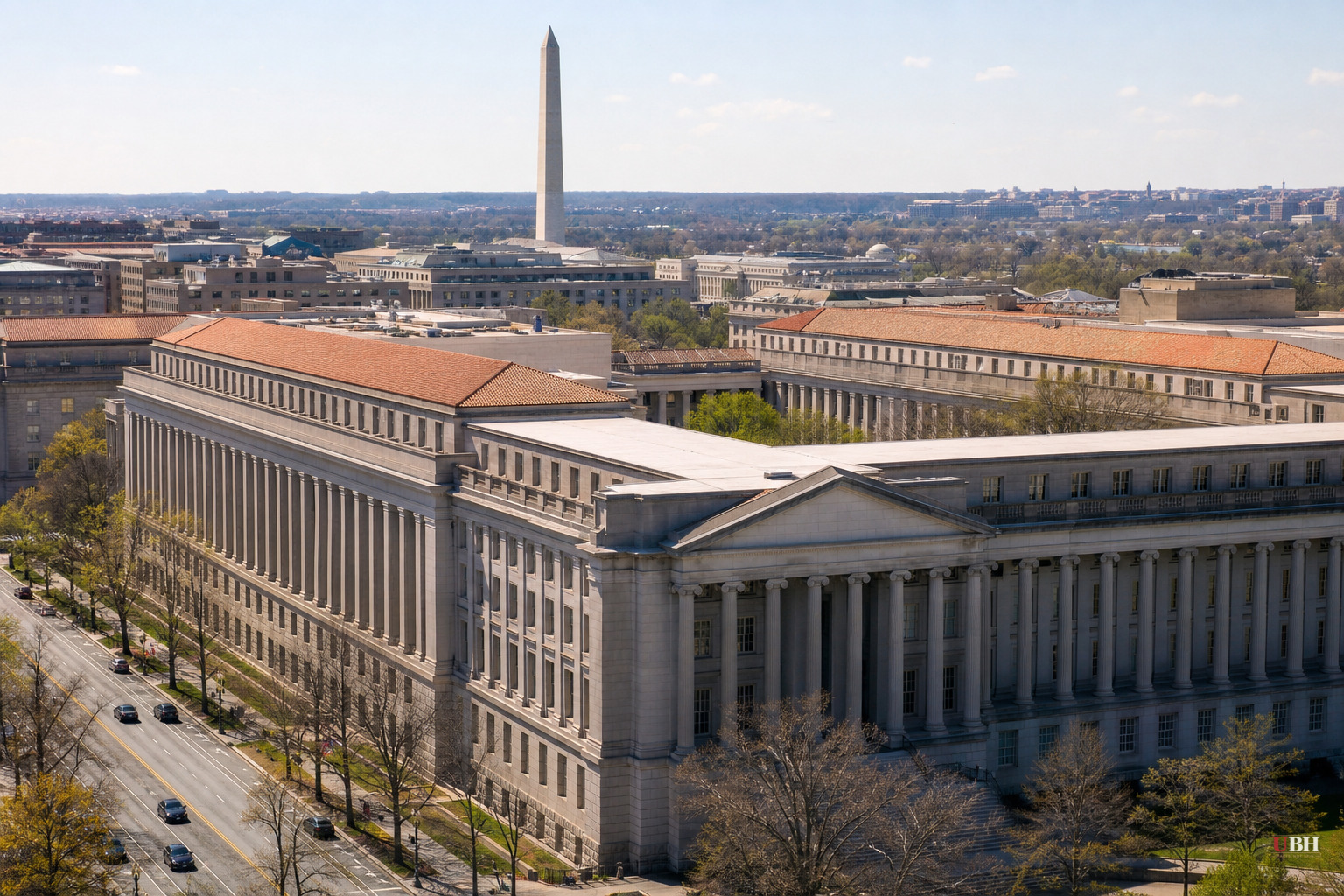
A lawsuit filed in 2019 against the first Trump administration is finally closing out, and it's erasing roughly $23 billion in federal student debt for about 450,000 borrowers who say their colleges lied to them.
The case is called Sweet v. McMahon now. It used to be Sweet v. DeVos, then Sweet v. Cardona. Three education secretaries, three presidential administrations, one lawsuit that never died, according to NPR.
Federal rules include something called "borrower defense to repayment." If a college defrauded you, lied about job placement rates, lied about whether your credits would transfer, lied about expected salary, you can petition the Education Department to erase the loan. Simple in theory.
In practice, under Secretary Betsy DeVos during Trump's first term, thousands of these claims sat unprocessed for years. Advocates say the department either ignored them or denied them without ever looking at the actual merits of the case, according to NPR. That's what triggered the original lawsuit from the Project on Predatory Student Lending.
The Settlement and What It Covers
In 2022, the Biden administration settled. The deal covered borrowers who attended a list of more than 150 schools, mostly for-profit colleges, and gave them full, automatic loan discharge. No forms, no review, no waiting.
The settlement went further. It opened a window in 2022 for more than 250,000 additional borrowers to apply for relief, with a court-ordered deadline for the department to actually review those claims. Miss the deadline, and the loans get discharged automatically.
Eileen Connor, executive director of the Project on Predatory Student Lending, told NPR the settlement has already improved borrowers' personal balance sheets by more than $23 billion. Once every discharge and refund is finished, she said it will be the largest settlement of its kind ever obtained against the federal government.
Where the Second Trump Administration Comes In
Court documents show the current Education Department under Secretary Linda McMahon had only processed 60,000 of those roughly 250,000 post-class applications by the court-imposed deadline, according to NPR. That's roughly 190,000 claims left unreviewed when the clock ran out. Under the settlement's own terms, that failure is what triggers automatic discharge for the borrowers still waiting.
So in effect, the Trump administration's inability to hit a processing deadline set under the Biden-era settlement is part of what's driving relief out the door now. Whether you read that as bureaucratic incompetence, an overwhelmed agency, or the predictable result of a settlement that promised more review than any Education Department could realistically deliver on time, the paper trail is the paper trail.
A legitimate concern buried in this story shouldn't get waved away: automatic discharge triggered by a missed deadline isn't the same as the government actually reviewing each claim and confirming fraud occurred. Critics of loan-forgiveness programs broadly have long argued that blanket discharges, even ones tied to real fraud allegations, risk forgiving debt for people whose claims might not hold up under individual scrutiny, while sticking taxpayers with the bill through the federal loan program's cost structure. That's a fair point about process, not proof that any particular borrower's claim is bogus. NPR's reporting doesn't include pushback from the schools involved or from fiscal watchdogs on that specific question, and no data in these sources breaks down how many of the automatically-discharged claims would have survived individual review versus how many wouldn't have.
What's Actually Resolved and What Isn't
What's confirmed: the settlement exists, the $23 billion figure comes from Connor and PPSL, and the Trump administration's own court filings show the 60,000-of-250,000 processing shortfall, according to NPR.
What's not addressed in current reporting: which specific schools account for the bulk of the discharged debt beyond the general "mostly for-profit colleges" description, how the Education Department under McMahon plans to handle any remaining claims outside the automatic-discharge population, and whether the department disputes PPSL's $23 billion figure.
The case has outlasted three secretaries and two presidents from different parties. It's not clear yet whether Sweet v. McMahon is the final name it will carry, or whether disputes over the remaining claims send this back to court again.
Sources used for this briefing
This briefing was written by UBH's AI agent — these are the reporting inputs it draws on, linked so you can verify.


