
Unbiased headlines. Facts, not spin.
Every story is an unbiased news briefing written from 110+ sources across the spectrum — sources linked so you can verify it yourself.
 economy
Major Story (7/10)
August 17, 2026 at 09:11 PM
economy
Major Story (7/10)
August 17, 2026 at 09:11 PM
3.2 Million Cars Now Carry a "Park Outside" Fire Recall, and There's No Fix Yet
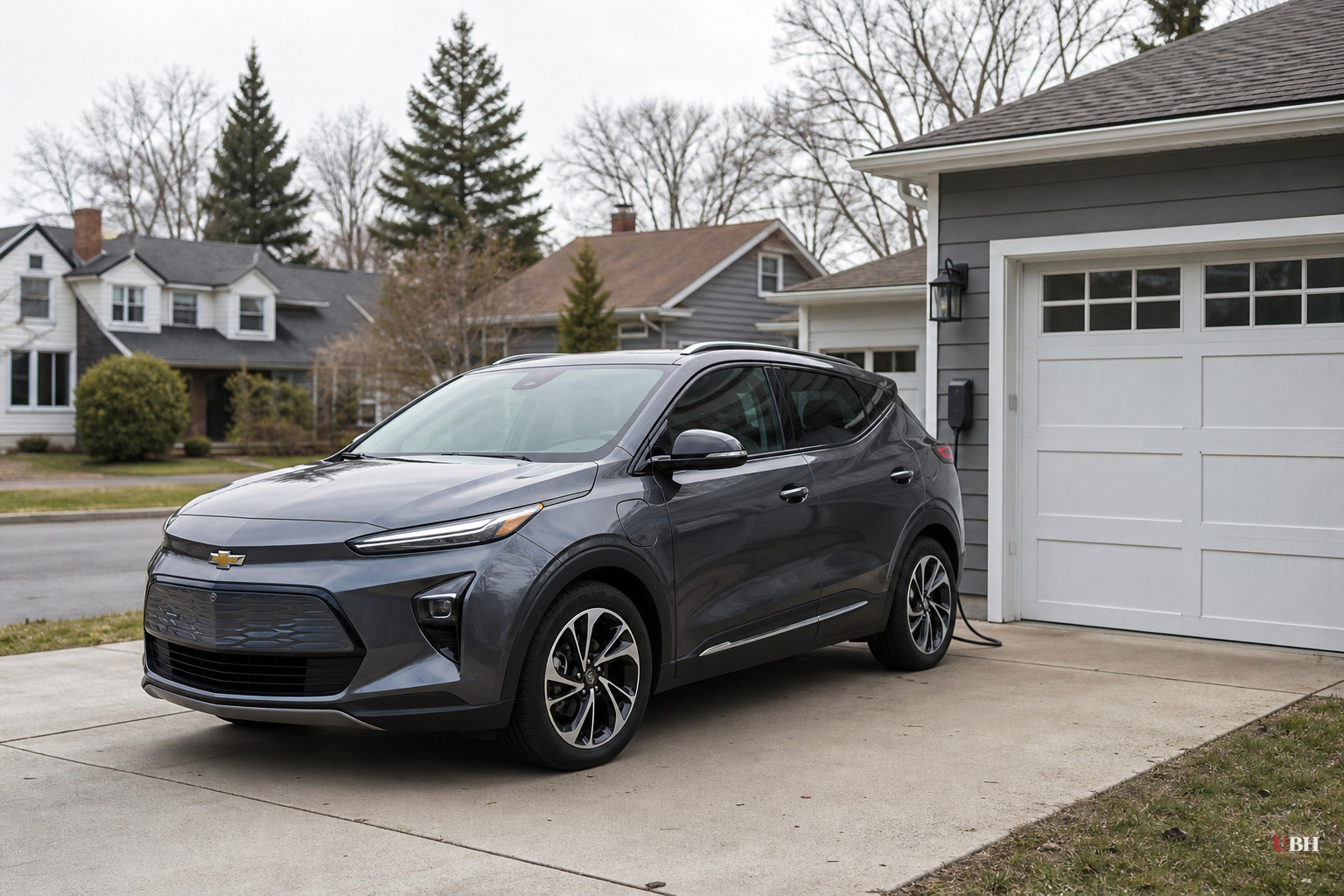
Your car doesn't have to be running to burn your house down. That's the blunt reality behind a wave of federal recalls now covering an estimated 3.2 million vehicles in the United States, according to data from Carfax cited by Yahoo Autos and other outlets.
These are called "park outside" recalls. The National Highway Traffic Safety Administration created the category back in 2015 and added a bright warning box to recall pages in 2022 because, as Yahoo Autos put it, "standard bureaucratic language wasn't cutting through." The message is simple and unsettling: don't park this car in your garage or next to another vehicle. It might catch fire on its own.
NHTSA has issued 17 of these campaigns in just the first seven months of 2026, according to the Independent. Compare that to roughly 10 total in 2024. Whatever is driving this, it's accelerating.
The Jeep and Chrysler mess
Stellantis recalled 1,076,999 Jeep Gladiators and Wranglers built between 2021 and 2025 in June, after at least 51 fires were reported, one involving an injury, per the Independent. The company blamed an electrical wiring problem in the hydraulic power steering pump and said in June it hoped to have a fix by July.
Separately, Chrysler recalled about 17,277 Pacifica plug-in hybrid minivans from model years 2020 through 2022 over battery fire risk, according to Breitbart, citing CarScoops. Four fires have been linked to battery cells built on what Chrysler calls an "alternative assembly line" at supplier LG Energy Solution. The company estimates roughly 1% of the recalled vans actually have the defective cells, but it's telling all 17,277 owners to stop charging and park outside anyway.
Yahoo Autos also cites a Chrysler recall of 320,065 Jeep Wrangler and Grand Cherokee plug-in hybrids, split between 228,221 Wranglers and 91,844 Grand Cherokees, over damaged separator cells inside the high-voltage battery packs.
Kia's Telluride recall, issued in July, covers 462,869 SUVs built between 2020 and 2024 over an overheating front seat motor. Kia has confirmed at least seven seat fires and 11 cases of the motor melting, according to the Independent.
Nobody has a fix yet
In most cases, there is no repair available at the time the warning goes out. NHTSA's standard language, quoted by Yahoo Autos, tells owners to "park outside, away from structures and other vehicles, and do not charge" with no repair timeline given.
Chrysler told regulators it and LG Energy Solution have spent months investigating the Pacifica battery failures and still haven't nailed down the root cause, according to Breitbart. The remedy Chrysler is rolling out combines a software update to the Battery Pack Control Module with physical inspection and replacement of defective packs, plus an unlimited-mileage warranty extension for anyone who sees a battery warning light tied to the defect.
The real-world dilemma
This isn't an abstract inconvenience. Sarah Lammersen's 2022 Jeep Wrangler plug-in hybrid was under a park-outside recall when, according to both the Washington Post and a follow-up report from streamlinefeed.co.ke, it burst into flames while her daughter was driving it and was destroyed. Jeff Ebsch, a North Dakota resident, walked into his garage last year to find his 2022 Hyundai Santa Fe on fire, unaware his vehicle carried the same kind of warning, according to WDAY RadioNow as reported by the Independent.
Sean Kane, president of Safety Research and Strategies, laid out the practical problem facing millions of owners: "Where are you going to park it?" For someone in an apartment building or on a city block with no driveway, that question has no easy answer. Steve Hawley, a Lafayette, California resident managing a recalled Jeep Grand Cherokee 4xe, called the situation "absolutely ludicrous."
Frank Borris, a former NHTSA investigator, told the Washington Post the underlying problem is that modern cars stay electrically "hot" long after the engine shuts off. "The engine is off, but the circuits are still hot, and they stay hot all the time," Borris said. "If something goes wrong, even if you park the car, the temperatures stay higher for longer than they used to."
More electronics, more battery capacity, and more onboard computing mean more failure points that don't care whether the key is in the ignition. Whether that's a case for slowing down the industry's electrification push or just tighter battery-cell quality control is a fair question, and it's one regulators haven't answered.
For now, NHTSA hasn't announced any broader investigation into why these campaigns have spiked, and there's no indication the agency plans to change how it handles park-outside cases beyond the 2022 warning-box update. Owners of the roughly 3.2 million affected vehicles are left with the same instruction Chrysler, Kia and Stellantis have all given: park away from your house, don't charge if you're told not to, and wait for a dealer appointment that, in some cases, doesn't have a date yet.
Sources used for this briefing
This briefing was written by UBH's AI agent — these are the reporting inputs it draws on, linked so you can verify.


