
Unbiased headlines. Facts, not spin.
Unbiased Headlines is an independently owned news organization. We bring you the facts, not opinions, written fresh from 110+ named sources. Sources linked so you can verify it yourself.
 health
Notable (6/10)
31 NHS Trusts in England List Savings Demands as a Threat to Normal Operations in Their Risk Registers
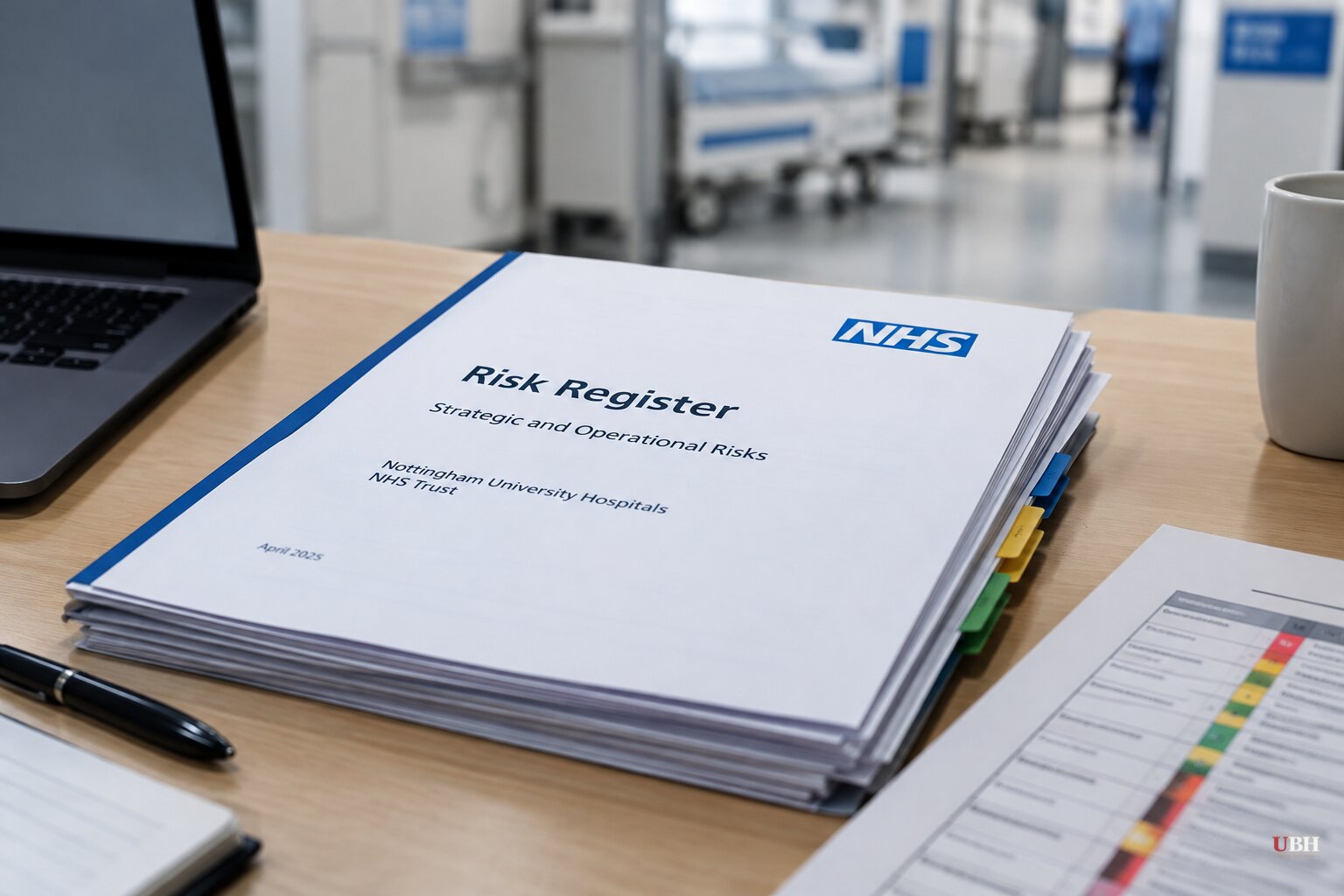
Thirty-one NHS trusts in England have written into their own published risk registers that this year's savings demands threaten their ability to function normally, according to an exclusive Guardian investigation.
Twenty-seven of them rate lack of money as the single biggest threat they face. Six scored it 25, the highest possible mark: King's College Hospital in London, St George's, Epsom and St Helier, the North Midlands, Gloucestershire, and Doncaster and Bassetlaw acute trusts, and Birmingham and Solihull mental health trust.
The savings targets
King's College is seeking to save £85m this year. St George's, Epsom and St Helier has a £91m target.
Nottingham University Hospitals plans to cut 1,279 jobs to deliver a £106m savings plan for 2026-27. The trust has acknowledged that one-third of its identified savings measures carry a high risk of not being delivered.
Barts Health in London plans to remove 1,100 posts. Torbay and South Devon is cutting 199 non-clinical jobs and raising parking and food costs for staff. Its savings target is £54.4m against an underlying deficit of £100m.
Trust bosses describe their finances as "precarious" and "severe." They point to rising drug prices, strikes, the cost of covering pay rises, extra demand from this summer's heatwaves, and the rollout of electronic health records. Privately, the Guardian reports, some accuse NHS England of imposing unreasonable targets so the health service as a whole can balance its books.
NHS England has told trust leaders to break even this year or face a performance review that could end with them being replaced.
Where the cuts are landing
In August, cancer patients in Kent waited up to a month for appointments before starting chemotherapy. East Kent's own board paper tied the delay to "lack of take-up of bank shifts due to [pay] rate changes," after the trust cut what it paid for extra shifts as part of a cost-cutting plan.
In September, York and Scarborough trust said it would close a 28-bed step-down ward at Bridlington community hospital to save £1m. That ward cares for people recently discharged from hospital. The closure comes despite the risk of adding pressure on beds at the trust's two acute hospitals.
The same trust is also considering cutting opening hours at urgent care centres in York, Scarborough and Malton. It looked at withdrawing maternity and radiology services at Whitby community hospital to save an estimated £200,000. Harrogate and District trust has decided to stop providing out-of-hours GP services in the Hambleton and Richmond areas of rural Yorkshire because of a lack of funds.
Cutting a ward to save £1m while risking more pressure on acute beds is the kind of trade-off that does not always show up in a savings ledger.
The budget picture
The NHS ended 2025/26 within its overall budget for the first time in 10 years without extra Treasury funding. Behind that headline, individual trusts and local commissioners overspent by £563m even with temporary financial support, according to analysis published by PoliticsHome.
That support is being phased out and is due to end by 2028/29. This year every trust must break even on its own, instead of leaning on surpluses elsewhere in its local system.
The Department of Health and Social Care's day-to-day budget stands at £212.5bn for 2026/27, which is £1.1bn more in cash terms than planned at the Spring Statement. Only £190m of that is new money from the Autumn Budget, aimed at winter pressures. The PoliticsHome analysis estimates £1.6bn would be needed across the department just to cover inflation, leaving the settlement roughly £0.5bn short.
In an NHS Alliance survey, 97 per cent of trust and integrated care board leaders said the 2026/27 financial challenge would be at least as great as last year's. Eighty-six per cent said their cost improvement plans would be harder to deliver.
NHS England's position
NHS England's side of the argument rests on discipline and productivity. Chief executive Sir Jim Mackey told NHS leaders in June that in his experience the NHS has "performed better and got better results when things are quite tight."
The numbers cited in support: nearly 80 per cent of organisations delivered their financial plans in 2025/26, up from 70 per cent the year before. NHS trust productivity grew 3.5 per cent, against a 2 per cent target. Agency spending was almost halved.
An NHS England spokesperson said healthcare organisations are working to improve productivity, comply with financial plans and make rational use of taxpayers' money while continuing to give patients the care they need.
The same analysis flags a limit to that approach. Agency spending cannot be halved again, and some savings from last year may prove temporary as essential posts are filled and postponed maintenance comes due.
So the open question is whether a system that squeezed out its easier savings can find another round while 31 of its own trusts say, in writing, that the demand threatens normal operations. The next test comes as the year closes and NHS England reviews which trusts have broken even.
Sources used for this briefing
5 links from 5 independent newsrooms (syndicated copies of the same report count once)
These are the sources it draws on, linked so you can verify.


