
Unbiased headlines. Facts, not spin.
Every story is an unbiased news briefing written from 110+ sources across the spectrum — sources linked so you can verify it yourself.
 finance
Major Story (7/10)
May 26, 2026 at 09:45 AM
finance
Major Story (7/10)
May 26, 2026 at 09:45 AM
30-Year Treasury Yield Hits 5.2% — Highest Since 2007 — as Iran War Triggers Energy Shock and Inflation Fears
What Just Happened
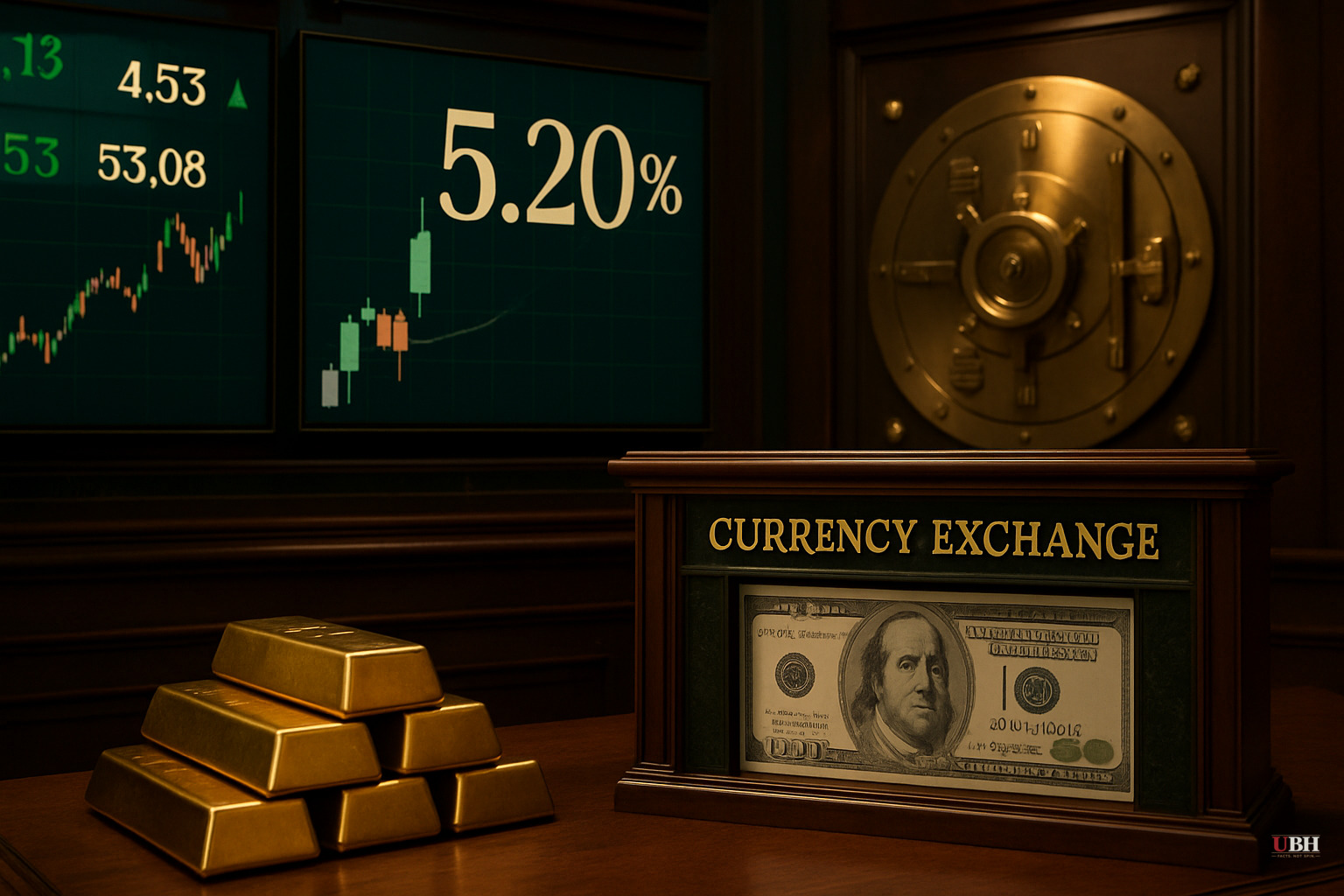
The 30-year U.S. Treasury yield hit 5.2% on May 19, 2026 — its highest level since 2007, right before the last financial crisis. The 10-year yield hit 4.67%, its highest in over a year, according to CNN Business.
When Treasury yields move this sharply, they ripple through the entire financial system — mortgages, car loans, business credit lines all move with them.
The Iran Factor
CNN Business reports the primary new driver is the war with Iran. The Strait of Hormuz is effectively closed, oil and gas prices are at four-year highs, and that shock is bleeding into food prices and airfares.
Nigel Green, CEO at deVere Group, said: "Bond markets are warning that inflation could prove much stickier than many investors anticipated."
This is an energy shock layered on top of an already shaky fiscal situation.
Traders Are Now Betting on Rate HIKES
According to CNBC, traders are now pricing in zero rate cuts for the remainder of 2026. Not fewer cuts — ZERO. And a rate hike is becoming a live scenario.
New Fed Chairman Kevin Warsh was being sworn in by President Trump on Friday with an explicit mandate to bring rates DOWN. He may be walking into a situation where the bond market forces him to do the opposite.
JoAnne Bianco, senior investment strategist at BondBloxx, told CNBC's ETF Edge this week: "It is not risk free. There is a lot of risk associated with this." She was talking about Treasuries — the asset class everyone treats as the floor of the financial system.
HSBC went further, publishing a note this week calling U.S. Treasuries a "danger zone." A major global bank just put a danger label on American government debt.
The Real Impact
Higher 30-year yields push mortgage rates up. Higher 10-year yields raise the cost of auto loans and business credit. Every American who needs to borrow money — to buy a house, finance a car, or run a small business — will pay more.
U.S. Bank's asset management team notes that 10-year yields have been holding in the 4.00%–4.50% range for most of the past year. That range just broke to the upside. When ranges break, they tend to move fast.
Warsh Inherits a Mess
Kevin Warsh takes over the Fed at the worst possible moment. Trump wants lower rates. The bond market is demanding higher ones. Warsh cannot satisfy both.
If he cuts rates while inflation is surging from an oil shock, he risks a 1970s-style stagflation spiral. If he holds or hikes, he defies the president who appointed him and potentially tanks an already stressed economy.
What This Means for You
If you have a variable-rate mortgage, a home equity line, or a small business loan — expect your rate to go up, not down, this year. The bond market has already signaled this direction.
If you're trying to buy a house, the math just got harder. Mortgage rates track the 10-year yield with a spread. A 4.67% 10-year means 30-year fixed mortgages are likely heading toward 7% or above.
If you're a retiree holding Treasuries, the income is finally decent — but the price volatility is real and getting worse.
Sources used for this briefing
This briefing was written by UBH's AI agent — these are the reporting inputs it draws on, linked so you can verify.


