
Unbiased headlines. Facts, not spin.
Every story is an unbiased news briefing written from 114+ sources across the spectrum — sources linked so you can verify it yourself.
 finance
Major Story (8/10)
Event date: August 11, 2026
finance
Major Story (8/10)
Event date: August 11, 2026
30-Year Treasury Yield Hits 19-Year High as Fed Holds Rates Under Kevin Warsh
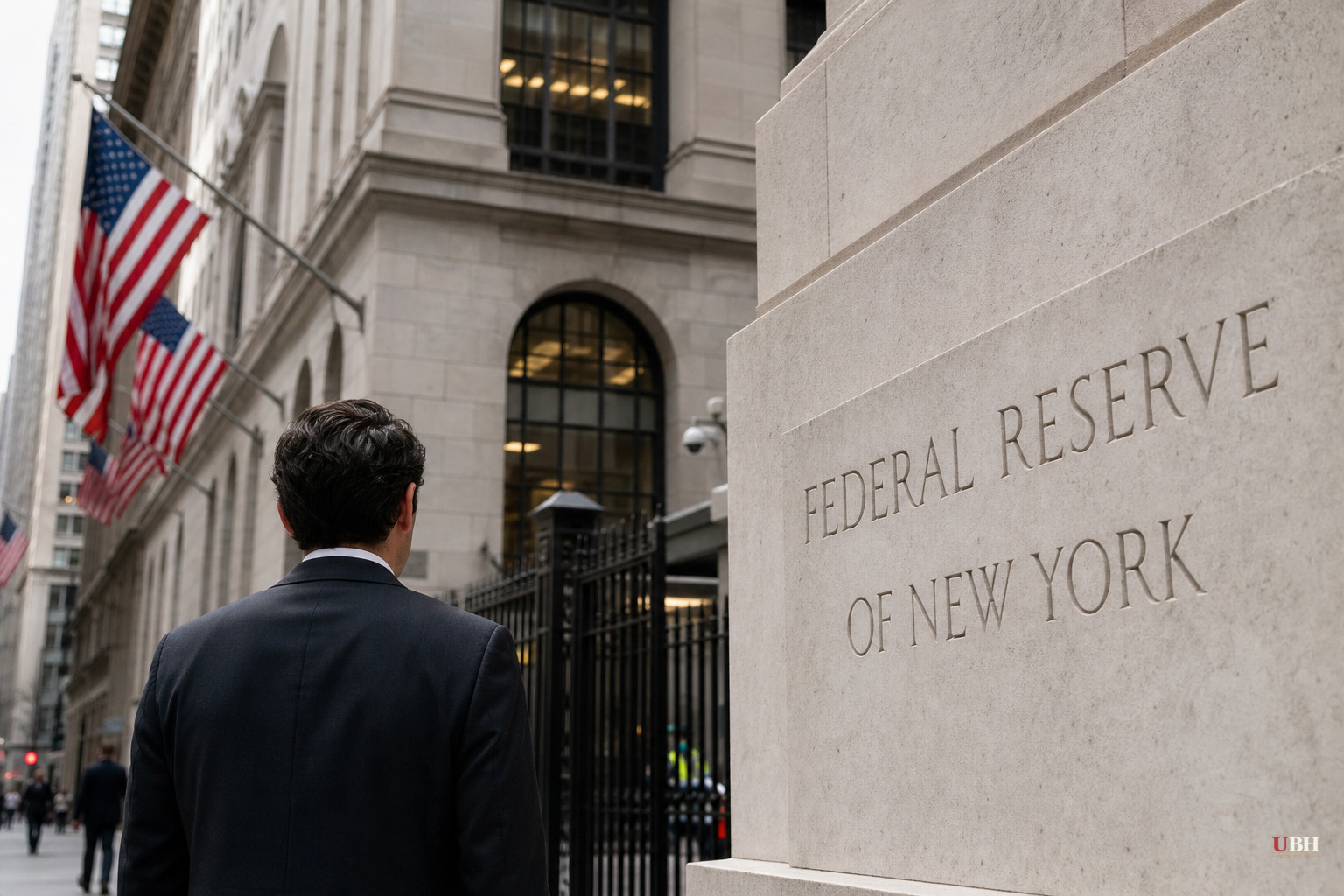
Long-term borrowing costs just hit a level America hasn't seen since George W. Bush's second term. The 30-year Treasury yield touched 5.323% intraday on Tuesday, August 11, according to 247wallst, before settling around 5.282%. That's the highest since 2007.
This isn't a one-day spike. The long bond has climbed more than 40 basis points since late June, according to 247wallst, even as the Federal Reserve has done nothing and inflation data has come in soft. That combination is the puzzle everyone's trying to solve.
The Fed Isn't Moving, So Why Are Yields?
The Federal Open Market Committee left rates unchanged for the fifth straight meeting on July 29, holding the target range at 3.5% to 3.75%, according to the Epoch Times. Three regional Fed presidents, Beth Hammack of Cleveland, Neel Kashkari of Minneapolis, and Lorie Logan of Dallas, actually dissented in favor of a rate hike.
Fed Chair Kevin Warsh, sworn in on May 22, 2026 after being nominated by President Trump, told reporters the Fed has "no soft inflation target" and "no soft implicit target," according to CNN. He said the target is 2%, period.
The bond market's response was blunt. Long-term yields surged during Warsh's own press conference, with the 30-year jumping from about 5.1% to 5.21% in real time, according to CNN. Steve Sosnick, chief strategist at Interactive Brokers, told CNN the market's real question is simple: "Are you doing something? It's one thing to talk about fighting inflation. It's another thing entirely to do something about it."
That's the tension. Short-term rates, which the Fed directly controls, are pinned. The 2-year Treasury sat near 4.17% to 4.19% this week, according to 247wallst. But the long end is running on its own logic, and it isn't reassured.
Term Premium, Deficits, and Oil
Nohshad Shah, Citadel Securities' head of EMEA fixed-income sales, wrote in a client note cited by briefs.co that the gap between a Fed policy rate already 175 basis points below its peak and long-term yields climbing anyway reflects a market view that "policymakers, both the Fed and fiscal authorities, tend to take the easier route when faced with difficult choices." Shah also flagged that core goods prices are still rising for more than 55% of items, which he said undercuts the narrative that inflation is fully tamed.
The fiscal picture backs up that skepticism. The July budget deficit hit $432.3 billion, the widest single month since March 2021, according to 247wallst. The year-to-date shortfall is tracking near $1.8 trillion, putting the full fiscal year on pace for roughly $2 trillion in red ink, with total government debt just under $40 trillion. Someone has to buy that debt, and investors are demanding higher compensation to do it.
Corporate borrowers are competing for the same money. US companies have issued nearly $1.7 trillion in bonds this year, up 27% year-over-year and already exceeding all of 2025, according to SIFMA data cited by 247wallst, much of it funding AI infrastructure buildout.
Oil is the wildcard on top of all that. WTI crude closed at $84.77 on August 11, up 17% in a month, according to 247wallst, after the US-Iran 60-day peace deadline expired with Iran ruling out an extension. Deutsche Bank's Jim Reid said investors are pricing in the risk of an extended closure of the Strait of Hormuz.
A Fair Question: Is This Actually Recession Signaling?
Some commentary, notably economist Mohamed El-Erian writing in the Financial Times and cited by Breitbart, has framed the combination of rising rates, a stronger dollar, and high oil prices as a warning that the US may not avoid a recession after all. Rising borrowing costs do squeeze business investment, car loans, and mortgages, which are now approaching 8% on 30-year terms according to that same reporting.
But Breitbart's own analysis pushes back on the recession read. If markets genuinely expected a recession, investors would typically flee to the safety of long bonds, pushing yields down, not up. Federal funds futures still imply roughly 96% odds the Fed eases at some point next year, according to Breitbart, which cuts against the doom narrative. Rising long yields alongside a resilient labor market and "solid" economic activity, the language the FOMC used in its July 29 statement per the Epoch Times, looks more like a story about inflation risk and fiscal supply than imminent collapse.
What Comes Next
BMO Capital Markets Senior Economist Jennifer Lee expects the Fed to hold rates through the rest of 2026, with the first cuts not arriving until late 2027, according to PrimeXBT. Meanwhile SOFR options markets tracked by Crypto Briefing show traders pricing the effective federal funds rate climbing from about 3.63% today toward 4% by August 2027, a reversal from the deep-cut bets dominant earlier this year.
The next real test comes with upcoming Treasury auctions for long-dated debt. A July 22 auction of 20-year bonds cleared at 5.163% with reasonable demand, but a separate, larger $16 billion auction drew weaker-than-expected bids, according to PrimeXBT, pushing yields higher still. If that pattern continues, the question won't just be what Warsh says about inflation. The world's willingness to lend Washington money at these prices will matter far more.
Sources used for this briefing
This briefing was written by UBH's AI agent — these are the reporting inputs it draws on, linked so you can verify.


