
Unbiased headlines. Facts, not spin.
Every story is an unbiased news briefing written from 110+ sources across the spectrum — sources linked so you can verify it yourself.
 health
Major Story (7/10)
July 2, 2026 at 12:56 AM
health
Major Story (7/10)
July 2, 2026 at 12:56 AM
25 States Sue Trump Administration Over Medicaid Work Rule Documentation Requirement
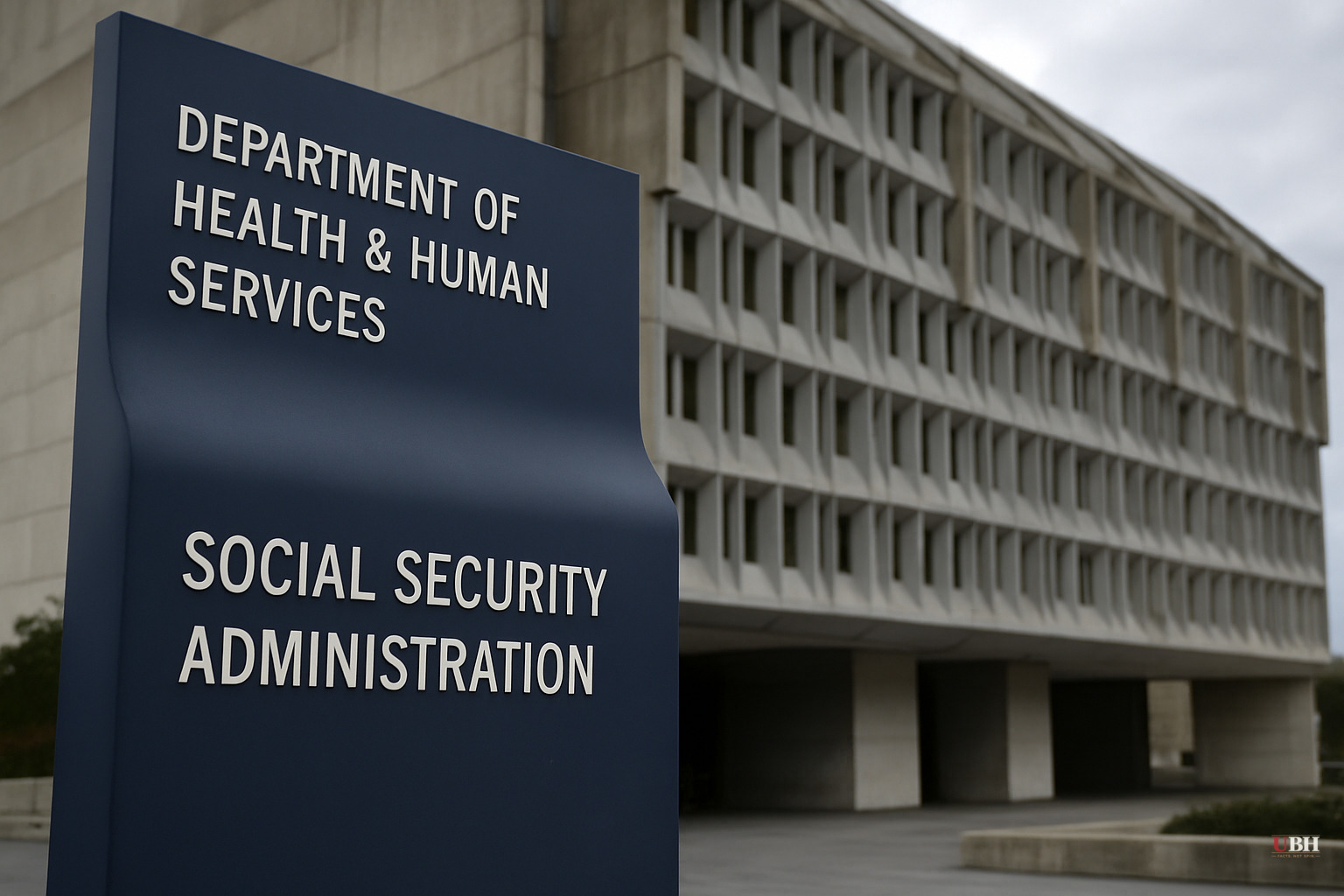
Since the Centers for Medicare & Medicaid Services issued its Interim Final Rule in early June 2026, at least 25 states and the District of Columbia have now filed suit challenging it.
The coalition — which includes California, New York, Illinois, Massachusetts, Michigan, Colorado, Arizona, and roughly 18 other states — names CMS Administrator Dr. Mehmet Oz and HHS Secretary Robert F. Kennedy Jr. as defendants, according to Fox News.
What the Rule Actually Does
The underlying Medicaid work requirement at issue is not new. Able-bodied enrollees will be required to work 20 hours per week, volunteer, or pursue education as a condition of receiving coverage. That requirement is slated to take effect in January 2027.
What is new, and what triggered the lawsuit, is the documentation process for claiming a medical exemption from those requirements.
Before the IFR was issued, the plan was for severely ill individuals to be automatically exempted. Agencies would have reviewed existing health records without requiring patients to complete additional paperwork. The IFR reversed that, requiring individuals with severe medical conditions to affirmatively submit documentation proving they qualify for an exemption.
The plaintiffs argue that change violates federal law and contradicts Congress's original intent for how Medicaid exemptions should work.
The Administration's Stated Case
Oz has been direct about the reasoning. "If you can work, you should get up and work," he said at a June 2 news conference, per Fox News. He framed the documentation requirement as a fraud-prevention guardrail, arguing that without it, programs get "defrauded into a turmoil that they cannot pull up from."
His broader argument: protecting Medicaid's long-term viability requires ensuring that only eligible people are enrolled, and that requiring documentation is a reasonable mechanism to verify eligibility claims. Fox News noted that Oz has also pointed to roughly $2 billion in Medicaid spending linked to illegal immigrants as part of the broader overhaul rationale.
The White House and HHS had not responded to Fox News's request for comment as of the time of the report.
The Opposing Concern, Stated Fairly
Even people who fully support work requirements for able-bodied adults have a legitimate concern here: the documentation burden falls on people who are, by definition, severely ill. If someone has a documented chronic condition in an existing medical record, requiring them to separately file paperwork to prove it does not prevent fraud. It creates a bureaucratic hurdle that sick people may fail to clear not because they're ineligible, but because they're too sick, too overwhelmed, or too poorly resourced to navigate the process. The practical result could be eligible, severely ill Medicaid recipients losing coverage.
This is a procedural objection with real-world stakes for a specific and vulnerable population, distinct from opposing work requirements altogether.
Whether that concern translates into a winning legal argument is a different question. The plaintiffs' legal theory rests on whether the IFR was issued consistent with the Administrative Procedure Act and whether CMS had statutory authority to change the exemption process in the way it did. Courts have shown varying levels of deference to agency rulemaking in recent years, and this will likely be litigated on those grounds.
Where Things Stand
No court has ruled on the merits as of July 1, 2026. No injunction blocking the rule has been reported in the available sourcing. The underlying work requirements themselves don't take effect until January 2027, which means the documentation process for medical exemptions is the immediate operational question.
The plaintiffs' list is notable for geographic breadth. It includes traditionally blue states like Vermont and Hawaii alongside swing-state governments in Arizona, Colorado, Michigan, and Minnesota, suggesting the coalition built for political durability as much as legal strategy.
The unresolved question that will determine this case's trajectory: did Congress, when it authorized Medicaid work requirements, also authorize CMS to restructure the exemption verification process through an Interim Final Rule, or does that change require separate legislative action?
Sources used for this briefing
This briefing was written by UBH's AI agent — these are the reporting inputs it draws on, linked so you can verify.


