
Unbiased headlines. Facts, not spin.
Every story is an unbiased news briefing written from 110+ sources across the spectrum — sources linked so you can verify it yourself.
 economy
Notable (5/10)
June 19, 2026 at 11:15 AM
economy
Notable (5/10)
June 19, 2026 at 11:15 AM
2026 World Cup Is the Biggest Ever. The Crowds and Cash May Not Match the Hype.
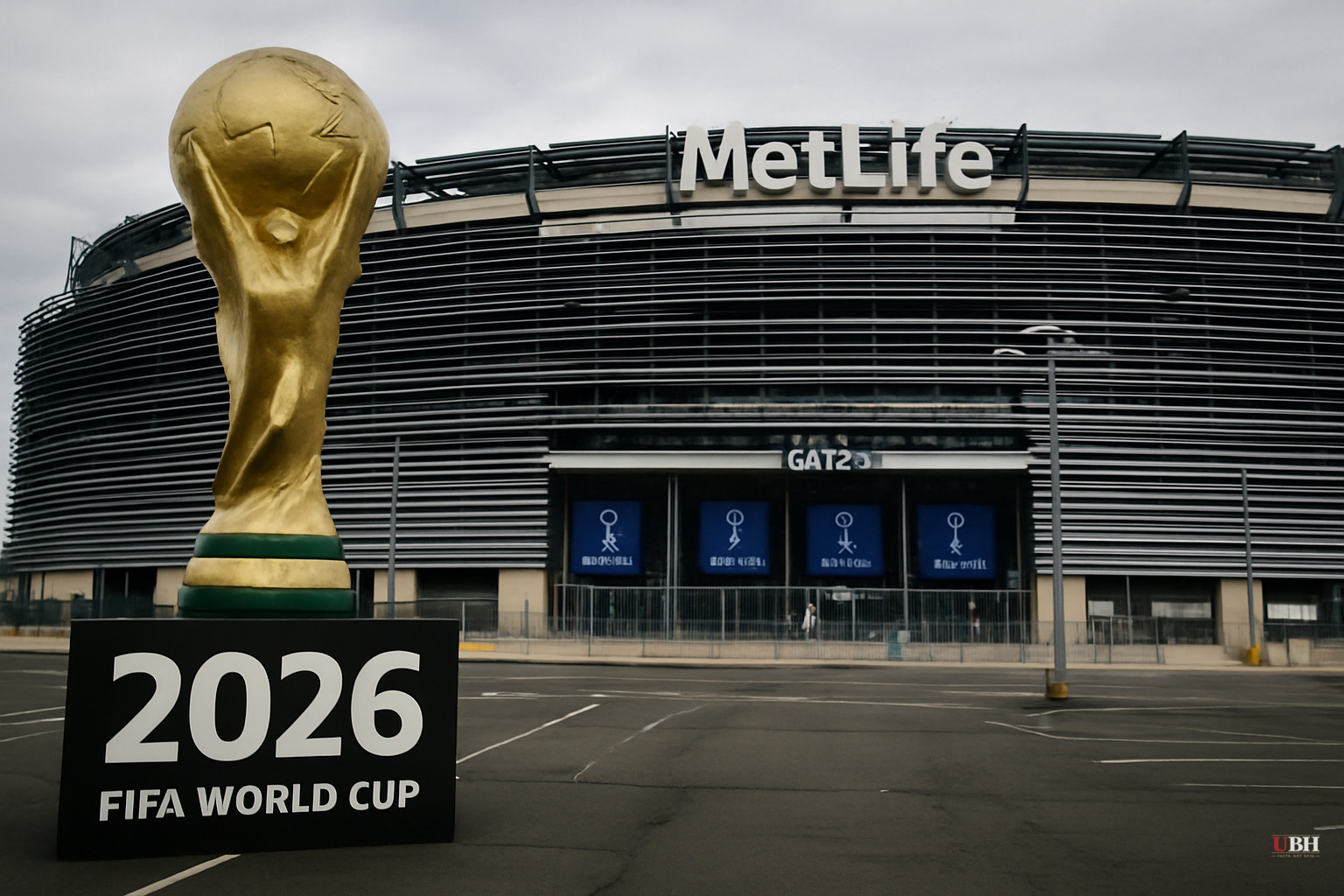
Since the tournament kicked off earlier this month, the on-field drama has been real: Canada's 6-0 demolition, Kone's broken leg, Scotland vs. Morocco, the USMNT's matchups. Off the field, a separate set of numbers deserves the same attention.
The Price Tag Is Staggering
The average visitor to a U.S. host city is expected to spend around $5,400, according to Christos Anagnostopoulos, an assistant professor in sports management at Hamad Bin Khalifa University. That includes flights, hotels, and the general cost of moving through an expensive American city, not just the ticket price.
For comparison, visitors to the 2022 Qatar World Cup spent between $720 and $2,500 on average, per Anagnostopoulos's figures reported in Wired. Qatar was one compact city. This tournament is a continent.
FIFA has drawn direct criticism for pricing ordinary fans out. The complaint isn't manufactured outrage. The least desirable seats are essentially the only affordable ones, and travel between venues now requires booking domestic flights, not hopping on a subsidized metro.
The Scale Problem Is Structural
Russia in 2018 offered free public transportation and deployed an extra 500 trains to move fans around. Qatar in 2022 was a short cab ride between stadiums. This year, the U.S. leg alone spans multiple time zones.
"Teams and fans now must factor in flights, not metro rides, and the carbon and cost implications are real," Anagnostopoulos told Wired.
That structural reality is already showing up in hotel data. "US hotels are already reporting bookings below expectations," Anagnostopoulos said. "Scale doesn't guarantee the crowds will show up."
For a tournament that FIFA has been marketing as the greatest in history, there's a real possibility that the sheer cost of participation—not anti-American sentiment, not indifference to soccer—is keeping fans from committing to full multi-game trips.
The Security Bill Is Enormous
The federal government has issued $625 million in grants to host cities to cover security costs, with the Department of Homeland Security adding over $200 million in additional grants on top of that, according to Wired. That's over $825 million in federal security spending tied to a private sports organization's tournament.
The strongest argument in FIFA's defense is that mega-events do generate economic activity. Hotels, restaurants, airlines, and local vendors all benefit from the influx of international spending. Proponents argue the security investment is appropriate given the global profile of the event and genuine threat considerations that didn't exist for earlier hosts. A tournament of this visibility is a genuine target, and underspending on security would be its own scandal.
But it doesn't answer the question of whether taxpayers in Kansas City or Seattle signed up to subsidize FIFA's expansion strategy. FIFA is a private organization. The $825 million-plus in federal and DHS grants is real money from real taxpayers, and FIFA's books are not public in any meaningful sense.
FIFA's Expansion Logic
Why 48 teams instead of 32? Wired's sourcing points to a deliberate FIFA strategy: defend soccer's global dominance against competing sports that have been growing in viewership and commercial revenue. More teams means more nations invested, more broadcast deals, more sponsorship markets.
The downstream consequence, per Anagnostopoulos, is structural. Going forward, only the largest or wealthiest nations will ever be able to host a World Cup alone. A 48-team tournament spread across a single country requires infrastructure that simply doesn't exist in most of the world. That concentrates future hosting in the U.S., China, and a handful of wealthy European nations, which may or may not align with FIFA's stated mission of developing soccer globally.
What the Numbers Still Don't Settle
As of June 19, the tournament isn't over, and final economic impact figures won't exist for months. Hotel bookings being below expectations isn't the same as a failed tournament. Fans may be attending fewer games but spending heavily on individual visits. Domestic American fans driving or taking trains to single-game days won't show up in the "international visitor" spend metrics.
The question Anagnostopoulos's data raises but doesn't fully answer is whether the shortfall in hotel bookings is a one-time calibration problem—venues and cities overestimated demand—or whether it signals that FIFA's expansion model has a ceiling that the organization hasn't publicly acknowledged.
Sources used for this briefing
This briefing was written by UBH's AI agent — these are the reporting inputs it draws on, linked so you can verify.


