
Unbiased headlines. Facts, not spin.
Every story is an unbiased news briefing written from 110+ sources across the spectrum — sources linked so you can verify it yourself.
 economy
Notable (6/10)
July 24, 2026 at 02:26 PM
economy
Notable (6/10)
July 24, 2026 at 02:26 PM
17 States Now Bury More People Than They Birth, Census Data Shows
Deaths outpaced births in 17 states last year
Seventeen U.S. states recorded more deaths than births between July 2024 and July 2025, according to the latest U.S. Census Bureau population estimates. That's up sharply from roughly four states during most of the 2010s.
The data measures what demographers call natural population change: births minus deaths, with migration stripped out entirely. It shows whether a state's population is organically growing or shrinking, separate from people moving in or out.
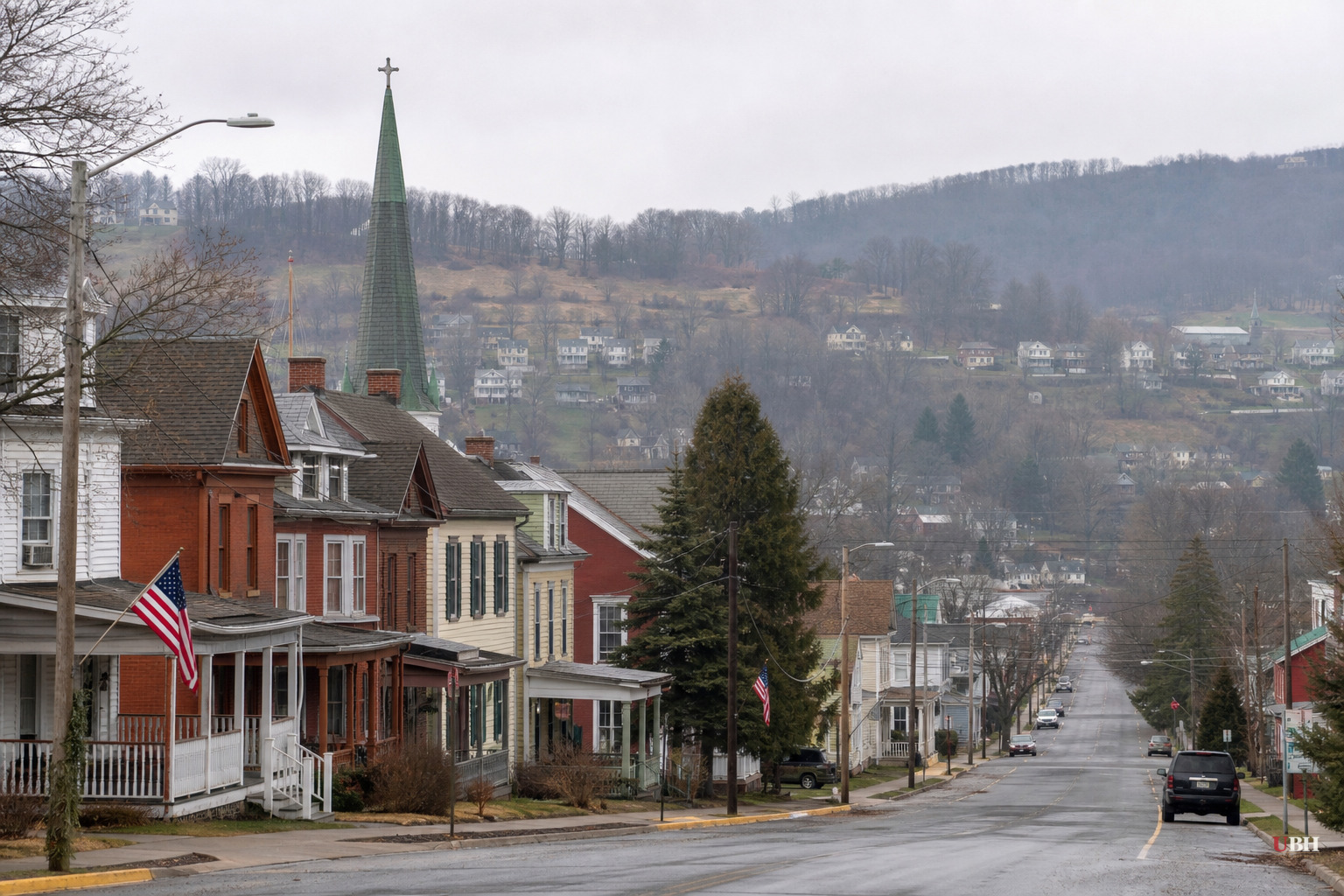
Pennsylvania posted the steepest natural decline in the country, losing 10,708 more residents to death than were born, based on a Visual Capitalist analysis of the Census data cited by ZeroHedge. West Virginia (-7,887), Maine (-5,019), and Michigan (-4,998) rounded out the next-worst four.
Most of the states in negative territory cluster in the Northeast and Appalachia, regions with some of the oldest populations in the country. Oregon (-3,764), Mississippi (-2,607), Alabama (-2,188), New Hampshire (-2,167), New Mexico (-1,885), Vermont (-1,769), Arkansas (-1,224), Ohio (-729), Delaware (-554), Rhode Island (-304), Montana (-90), and Kentucky (-83) also landed in negative territory.
Florida is the outlier on that list. It recorded more deaths than births (-1,333) yet remains one of the fastest-growing states in the country because so many people are moving there. A state can be shrinking naturally and still be booming in total population if migration more than makes up the difference.
The South and Sun Belt still grow
On the other end, Texas posted the largest natural population gain in the nation at 157,711, followed by California (109,715) and New York (42,815). Georgia (28,631), New Jersey (26,023), Utah (24,961), and Colorado (20,608) also posted solid gains.
Utah, Idaho, and Nebraska stand out for growing on birth rates alone relative to their smaller populations, a pattern demographers often tie to higher fertility rates and younger median ages in those states.
Missouri (+177), Wyoming (+295), and South Carolina (+564) barely stayed positive, a reminder that the line between natural growth and natural decline is thin and getting thinner in a growing number of states.
What's driving this
This isn't a mystery and it isn't new. The U.S. total fertility rate has sat below the replacement level of roughly 2.1 births per woman for years, according to the Centers for Disease Control and Prevention, and an aging Baby Boomer generation is now hitting the years when death rates climb. In a state with an older median age like Maine or West Virginia, natural decline becomes close to unavoidable regardless of the local economy.
Total population isn't the same as natural population change, and most of these states aren't shrinking overall. Pennsylvania and Florida both lost the births-versus-deaths battle but Florida keeps adding residents through migration. States can offset natural decline for a long time if they're attractive places to move to or retire in. Net migration, both domestic and international, still pushes total U.S. population upward year over year.
That said, migration is not a permanent substitute for births. A state that depends entirely on people moving in to offset a shrinking native workforce is exposed if migration patterns shift, whether from remote-work trends reversing, cost-of-living changes, or federal immigration policy. Fewer working-age taxpayers per retiree strains state pension systems and Social Security's finances at the federal level. This math problem doesn't resolve itself just because a retiree from New Jersey moves to Florida.
The count of states in natural decline has gone from roughly four to 17 in about a decade. The Census Bureau's next annual population estimates, expected in December, will show whether that trend keeps accelerating or whether states like Ohio and Kentucky, sitting just barely negative, tip back toward growth.
Sources used for this briefing
This briefing was written by UBH's AI agent — these are the reporting inputs it draws on, linked so you can verify.


