
Unbiased headlines. Facts, not spin.
Every story is an unbiased news briefing written from 110+ sources across the spectrum — sources linked so you can verify it yourself.
 politics
Notable (6/10)
August 5, 2026 at 11:12 PM
politics
Notable (6/10)
August 5, 2026 at 11:12 PM
11th Circuit Upholds Convictions of African People's Socialist Party Members for Acting as Unregistered Russian Agents
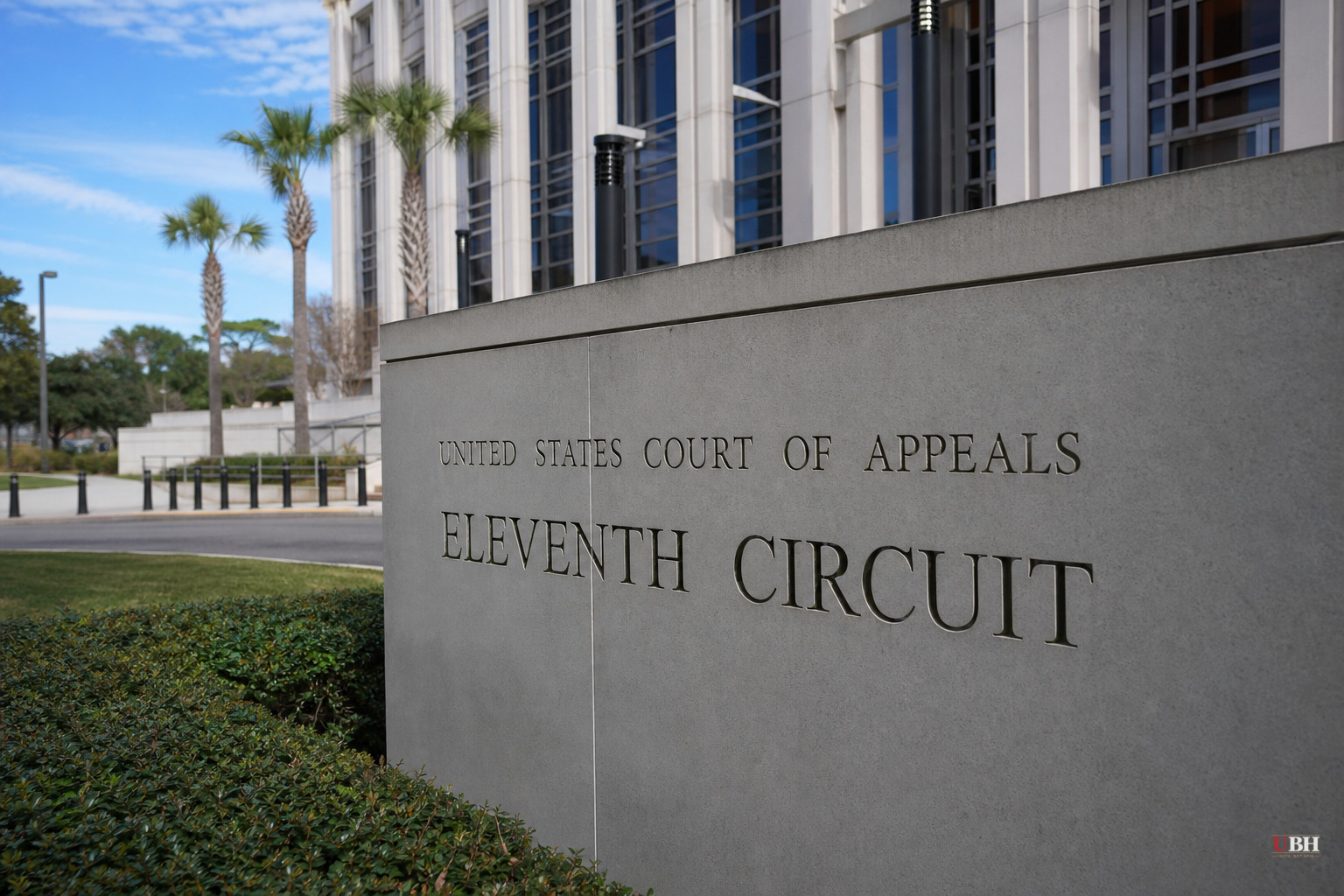
The Eleventh Circuit Court of Appeals has upheld the convictions of members of the African People's Socialist Party who acted as unregistered agents of the Russian government, rejecting their argument that the prosecution violated the First Amendment.
The ruling, issued in U.S. v. Romain, was written by Chief Judge William Pryor and joined by Judges Jill Pryor and Andrew Brasher. A jury had previously found three current Party members and one former member guilty of conspiring to act as foreign agents without notifying the U.S. Attorney General, a violation of 18 U.S.C. Section 951.
According to the court's opinion, the case centered on Alexander Ionov, a Russian national tied to a Kremlin-backed group called the "Anti-Globalization Movement." The court found that Ionov funded trips for Party leadership to Moscow, sponsored Party events, directed the Party to publish pro-Russian statements, and appeared on Party media. In exchange, according to the indictment described in the ruling, Party members authored and published articles, drafted reports, organized an "encampment tour," hosted virtual conferences, and made public statements supporting the Russian Federation, all allegedly at Ionov's direction.
The defense argued the prosecution amounted to punishing them for their speech and political viewpoint, which would trigger strict scrutiny under the Supreme Court's 2015 decision in Reed v. Town of Gilbert, a case holding that laws which single out speech based on its content or topic face the toughest constitutional test.
The Eleventh Circuit disagreed. The court held that Section 951 is content neutral because it applies to anyone acting under the direction or control of any foreign government, "without regard to the content of the message an agent spreads." The statute doesn't care whether an agent is promoting Russia, China, or any other country's message. It applies the same rule regardless of what a foreign government directs someone to say.
Because the law is content neutral, the panel applied intermediate scrutiny rather than strict scrutiny. Under that standard, a law survives if it advances an important government interest unrelated to suppressing speech, and doesn't restrict more speech than necessary to serve that interest.
The court found Section 951 clears that bar easily. "The Government has an interest in knowing the identity of those acting on behalf of a foreign government within the United States, whether the action is legal or not," the panel wrote, according to the opinion. The judges emphasized that interest has nothing to do with agreeing or disagreeing with what a foreign agent says.
Critically, the law doesn't ban the speech itself. It requires disclosure before acting. As the court put it, once someone notifies the Attorney General of their status as a foreign agent, they're free to "engage in any speech or expressive conduct on any topic." Nobody in this case was prosecuted for holding pro-Russian views or saying pro-Russian things. They were prosecuted for hiding who was pulling the strings.
That distinction matters. Critics of broad foreign-agent statutes have raised legitimate worries that such laws could sweep up legitimate activists, journalists, or advocacy groups who take foreign funding or collaborate with foreign partners without realizing they've triggered a registration requirement. The African People's Socialist Party has a long history of confrontation with federal law enforcement, and these concerns deserve to be taken seriously.
The judges pointed to specific, direct evidence that Ionov didn't just fund the Party or share its views. He allegedly told them what statements to publish and directed specific campaigns. The distinction is between being influenced by a foreign government, which isn't illegal on its own, and taking direction and control from one while concealing that relationship from federal authorities, which is.
The case fits into a broader pattern of Section 951 prosecutions the Justice Department has pursued in recent years against people acting for Russia, China, and other foreign governments without registering. These cases generally hinge on evidence of direction and control rather than mere ideological alignment.
The defendants can still seek further review, either through a request for rehearing before the full Eleventh Circuit or a petition to the Supreme Court. Unless and until that happens, the convictions stand, and the appeals court's reasoning gives federal prosecutors a strong precedent for future Section 951 cases: as long as the law targets undisclosed foreign control rather than viewpoint, courts are likely to uphold it against First Amendment challenges.
Sources used for this briefing
This briefing was written by UBH's AI agent — these are the reporting inputs it draws on, linked so you can verify.


