
Unbiased headlines. Facts, not spin.
Unbiased Headlines is an independently owned news organization. We bring you the facts, not opinions, written fresh from 110+ named sources. Sources linked so you can verify it yourself.
 politics
Major Story (7/10)
politics
Major Story (7/10)
1,000 Unaccompanied Migrant Minors Still Stranded in Ceuta After Border Surge, Aid Groups Report Abuse
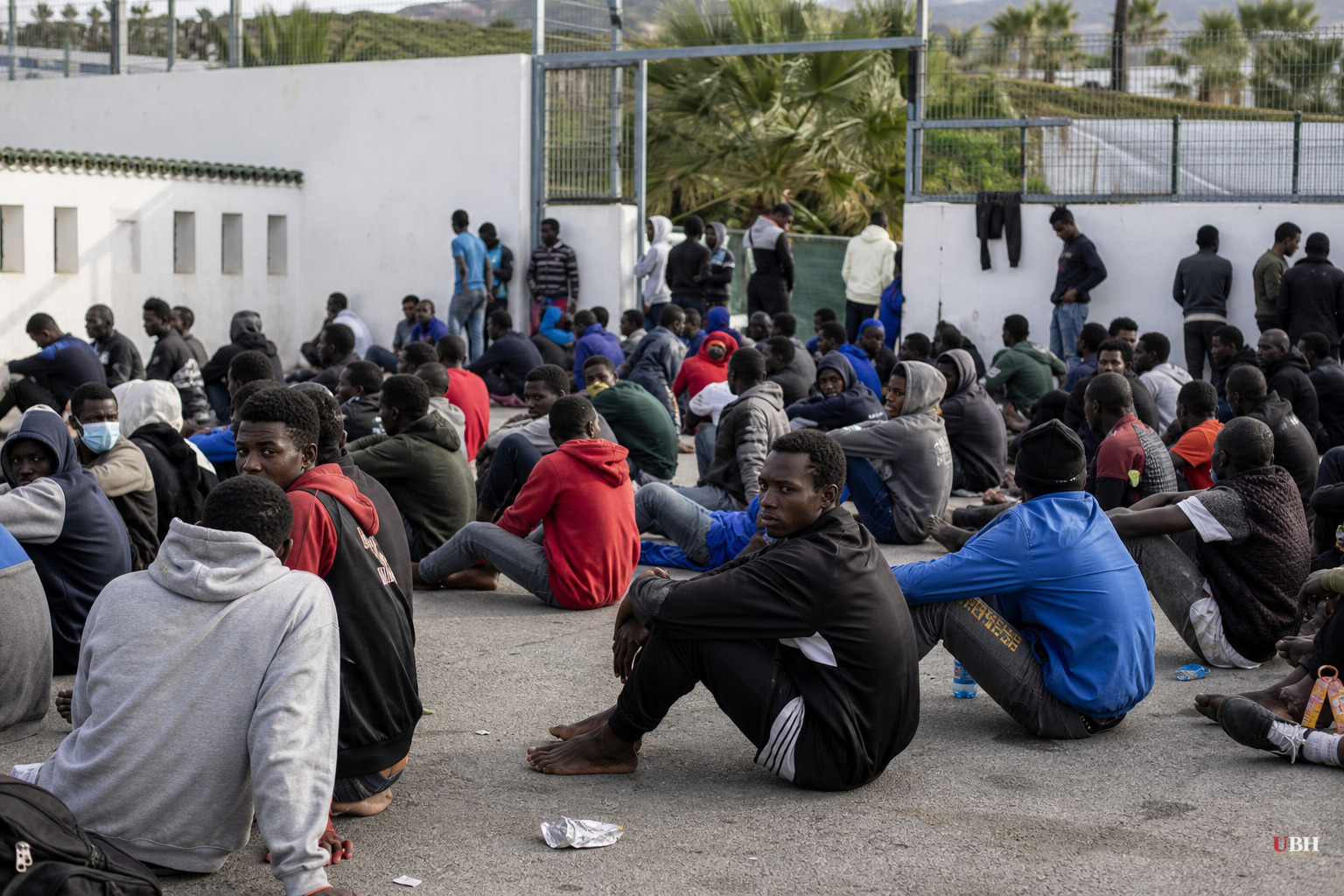
A Spanish court ruling in late June opened a legal gap: authorities couldn't immediately deport anyone who entered Spain by sea. Migrants in northern Morocco heard about it, and on July 30 tens of thousands swam and climbed their way into Ceuta, the Spanish enclave on the African coast.
Spain's Interior Minister Fernando Grande-Marlaska put the total crossing figure at around 72,000, with roughly 70,000 already returned, according to the Associated Press as reported by KSAT. Morocco's own estimate of arrivals was closer to 40,000, according to Morocco World News. The death toll, per Grande-Marlaska, reached 75 people, mostly drowned during the crossing. Morocco separately reported 11 deaths not included in that Spanish count.
The numbers don't stop being messy after that. Spain says about 2,000 people remain in Ceuta. Local official Alejandro Ramírez told the Associated Press the real number is likely 3,000 to 5,000, and residents cited by Breitbart, drawing on Spanish outlet El Mundo, put it at 6,000 or more, still camped on beaches, in the woods, and around a makeshift mosque drawn in the sand. When local government and national government can't agree on whether 2,000 or 6,000 people are still inside a city, the system has lost track of the people it's supposed to be processing.
The minors stranded in Ceuta
Of whoever remains, more than 1,000 are unaccompanied children, according to Morocco World News. Spanish law bars authorities from deporting unaccompanied minors, so these kids are stuck in Ceuta with no parents, no fixed shelter, and no clear timeline.
Jose Miguel Morales, head of the migrant assistance group Sur Acoge, told Spanish TV that some of these children have been beaten and assaulted. His warning was blunt: "Every day that passes without a solution or safe accommodation means these children, especially girls, are exposed to all kinds of abuse. We are talking about real children, 10 years old, or even younger in some cases. Most of them are not even 14."
Save the Children has called on Spanish authorities to locate and register every minor in the enclave, a step that hasn't fully happened yet. Spain's Minister of Youth, Sira Rego, acknowledged the count is incomplete, saying the 1,342 registered children figure will keep climbing because "the process is ongoing, which is proving difficult due to the volume of arrivals and the somewhat overwhelming situation."
Breitbart's reporting, citing El Mundo, goes further, describing an impromptu shelter set up on a soccer field for 150 women and girls hiding from sexual violence by male migrants, and local police now sorting child migrants by sex outside the main police station to move girls away from boys faster. Spanish police on the ground decided the abuse risk was severe enough to change how they process children in real time. None of the other sources dispute that shelters for women exist, but only Breitbart and El Mundo report the scale of sexual violence claims in that much detail, and those claims haven't been independently verified by Spanish national authorities in the sourcing available here.
A 17-year-old girl told the Associated Press, through a translator, that she watched her 8-year-old brother drown during a stampede on the rocky shore as migrants tried to avoid the border fence. She said she's been separated from her mother and begging on the streets of Ceuta since. "I saw people stepping on the dead," she said. "Now we are children begging on the street." She told the AP a local woman let her bathe at her home, and she later sought help at a government-run youth center, only to find it full.
Spain's response
Ceuta plans to start the first relocations of unaccompanied minors to "other autonomous communities" on the mainland within a few weeks, Spanish news agency EFE reported. Rego said her ministry is pushing to release emergency funding "urgently" to begin transfers in coordination with regional governments. Ceuta has also opened one school for migrant children and is setting up a second.
Ana María Sánchez García, of the NGO Humanitarians Without Borders, described pregnant women and underage girls alone on the streets, telling Democracy Now that her group is "trying to provide care for them and listen to them and to try to see what solutions we may provide."
None of this addresses the root legal question that started the surge: the Spanish Supreme Court ruling that migrants can't be summarily returned if they arrive by sea. That ruling remains in effect. Until Madrid either amends the policy, gets a new court ruling, or negotiates a broader enforcement agreement with Morocco beyond the ad hoc returns already carried out, Ceuta has no mechanism to prevent this from happening again the next time a crossing goes viral on social media, which the AP reported was part of what drove this wave in the first place.
Sources used for this briefing
4 links from 4 independent newsrooms (syndicated copies of the same report count once)
These are the sources it draws on, linked so you can verify.


