
Unbiased headlines. Facts, not spin.
Every story is an unbiased news briefing written from 110+ sources across the spectrum — sources linked so you can verify it yourself.
 economy
Major Story (7/10)
August 1, 2026 at 05:07 AM
economy
Major Story (7/10)
August 1, 2026 at 05:07 AM
10-Year Treasury Yield Tops 4.7%, Higher Than When Trump Took Office. Rate Cut Promise Nowhere in Sight
The Numbers Don't Lie
Since the Iran war began at the end of February, borrowing has gotten more expensive across the board, according to the Associated Press. The 10-year U.S. Treasury note's yield shot above 4.7% on Friday, July 31. That's higher than when Trump inherited the presidency last year. Thirty-year Treasury bonds hit their highest levels in nearly two decades.
The result contradicts months of Trump's public demands on the Federal Reserve for rate cuts he called "Rocket Fuel!" for growth and a fix for housing affordability. Instead, mortgage and auto loan costs have climbed. And the federal government has spent $827 billion so far this fiscal year just to service the national debt, according to the AP. That's more than Washington has spent on national defense.
Trump's Own Pick Won't Give Straight Answers
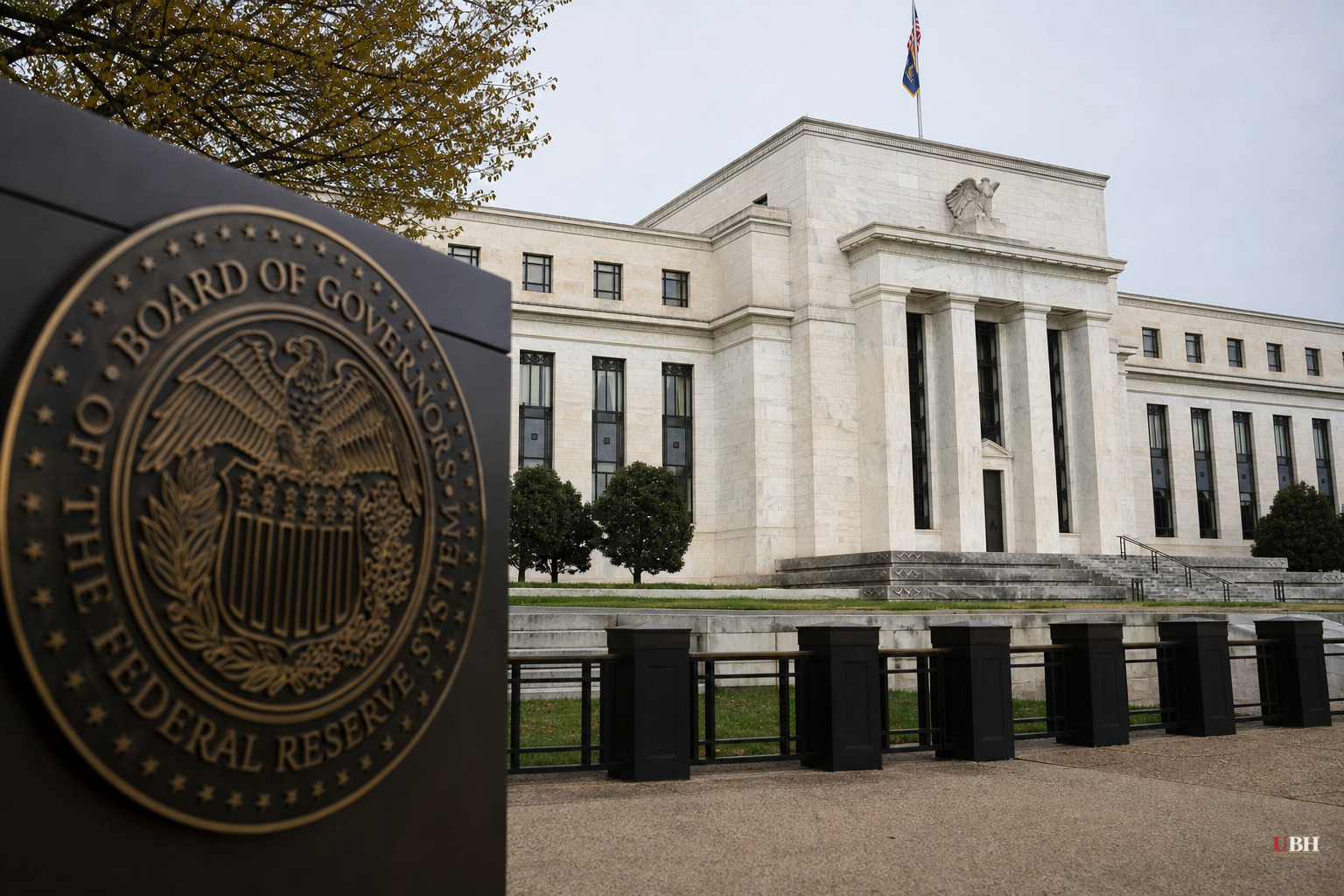
Kevin Warsh, the man Trump himself installed as Fed chair, held his second press conference on the job this past week. His message: inflation is still running hot. He offered no clear plan for bringing it down, according to the AP.
That's a problem Trump created for himself. He pushed for a Fed chair who'd be friendlier to rate cuts. Instead he got someone who, at least publicly, isn't promising anything different than his predecessor.
Trump Ignores the Problem, Calls the Economy Booming
Despite the government reporting a sluggish annual growth rate of just 1.5% for the prior quarter, Trump told his Cabinet on Friday, "We have the most successful environment that we've ever had. There's never been anything like it from the standpoint of investment into our country."
Notably, neither Trump nor Treasury Secretary Scott Bessent brought up interest rates during the public portion of that Cabinet meeting, according to the AP. That's a curious silence from a president who spent months making rate cuts his signature economic demand.
White House spokesman Kush Desai offered the administration's explanation: blame Iran. "Oil prices — and thus overall inflation — will plummet again when President Trump forces a successful resolution with Iran, further paving the way for additional interest rate cuts by the Federal Reserve," Desai said.
Brent crude soared above $100 a barrel for much of the spring as the fighting disrupted petroleum shipments, and Exxon Mobil and Chevron both more than doubled their quarterly profits as a result, according to the AP. If the war ends and oil prices fall, that would genuinely ease inflation pressure and could give the Fed room to cut. Democrats in Congress have proposed taxing oil producers for what they call war-related windfall profits, though no such tax has passed.
But the Iran war doesn't explain everything. Trump's own tariffs caused borrowing rates to jump so fast last year that his administration had to back off and rewrite them, according to the AP. His administration's push for AI data-center construction has also driven massive bond issuance that appears to be helping push rates up. Those are self-inflicted wounds, not foreign policy externalities.
The Political Problem
This matters for Republicans heading into the November midterms. The party wanted to campaign on affordability wins. Instead, some coverage indicates markets currently expect the Fed to consider raising rates further in September to fight inflation, not cut them, according to reporting circulated by the AP wire.
Trump can point to low unemployment and steady consumer spending as evidence the economy is stable. Those numbers are real. But the AP's reporting makes clear that argument hasn't landed with the public, largely because the thing Trump promised most loudly, cheaper borrowing, has gone the opposite direction.
One fair criticism of blanket Fed criticism: presidents don't control interest rates directly, and the Fed is designed to be independent of White House pressure precisely so it can make unpopular decisions without political interference. Warsh, despite being Trump's pick, is now the one publicly acknowledging inflation remains hot rather than rubber-stamping a rate cut on command. Whether that reflects institutional independence working as intended, or simply reflects the same data any Fed chair would be looking at, is a fair question without a clean answer yet.
What's not in dispute is that the 10-year yield sits above 4.7%, higher than when Trump took office, and the federal government is now spending more servicing debt than funding the military.
Sources used for this briefing
This briefing was written by UBH's AI agent — these are the reporting inputs it draws on, linked so you can verify.


