
Original briefings. Zero spin.
Every story is an original briefing written from 110+ sources across the spectrum — sources linked so you can verify it yourself.
 finance
Major Story (7/10)
Event date: August 25, 2026
finance
Major Story (7/10)
Event date: August 25, 2026
10-Year Treasury Yield Hits 4.75%, Highest Since January 2025, Testing Bessent's Bond-Buyback Fix
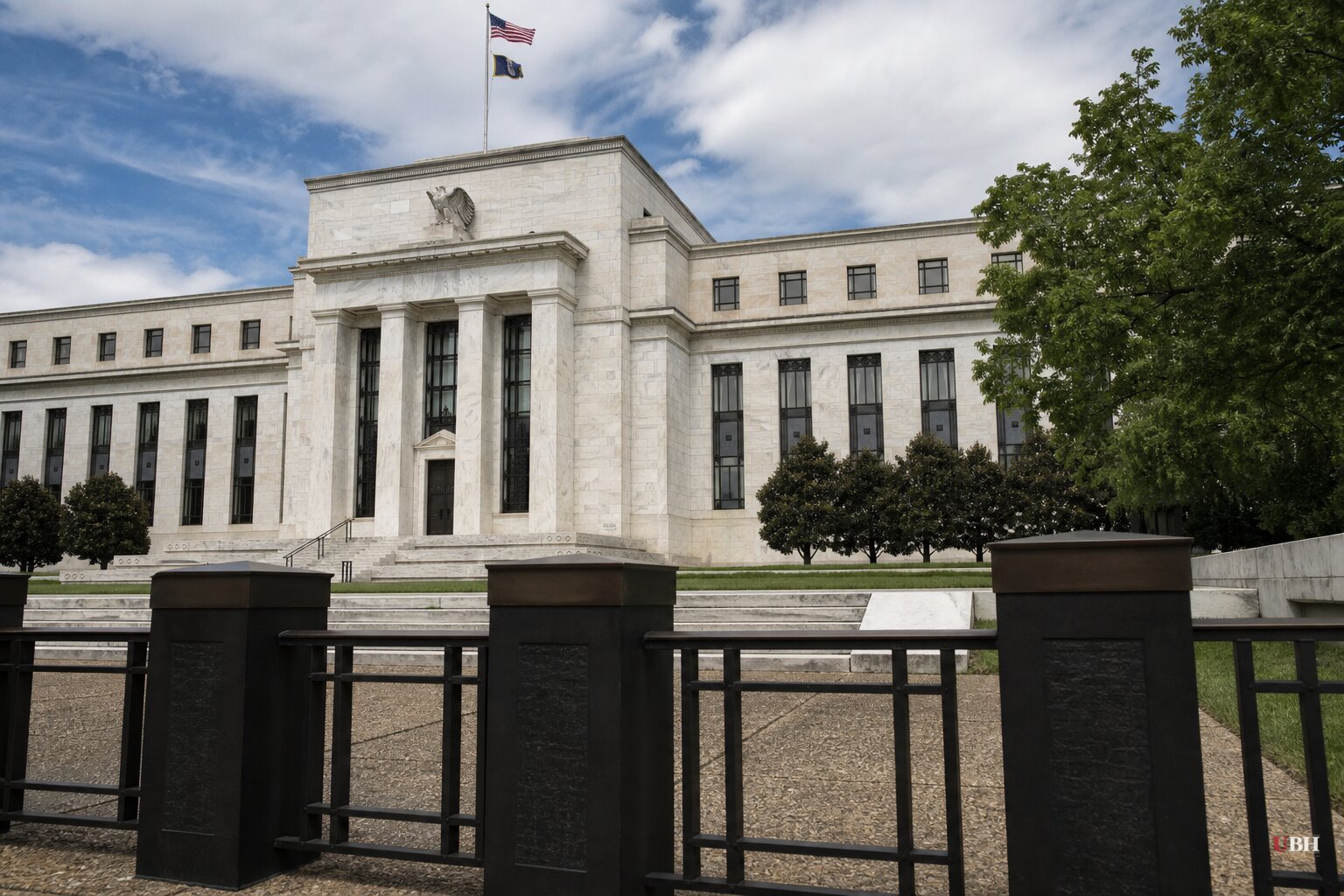
Yields Spike Again, Right Through Bessent's Fix
The US 10-year Treasury yield broke above 4.75% Monday, its highest level since January 2025, according to Bloomberg. Five-year yields hit their own highest level since early last year. The trigger, according to Bloomberg: oil benchmarks jumped more than 3% Monday after President Donald Trump threatened Iran with additional attacks, feeding expectations the Federal Reserve will need to keep rates higher for longer.
Yahoo Finance framed Monday's move as a direct test of Treasury Secretary Scott Bessent's effort to control long-term yields. Higher long-term yields pressure stock prices, push up mortgage rates, and make it more expensive for Washington to service its debt, Yahoo Finance noted.
This isn't the first time this summer bond yields have rattled markets. The 30-year Treasury yield climbed to 5.31% on Aug. 17, its highest level since June 2007, according to the Epoch Times. That same week, the national debt crossed $40 trillion, roughly three months after it hit $39 trillion, per Treasury's debt-to-the-penny dashboard cited by the Epoch Times. Debt held by the public sits near $32.2 trillion, with intragovernmental holdings around $7.8 trillion.
The federal government is collecting a record $5 trillion in revenue but spending roughly $7 trillion, a $2 trillion annual gap, the Epoch Times reported. Net interest costs are already north of $900 billion for the fiscal year and are forecast to top $1 trillion. The Congressional Budget Office projects annual outlays will exceed $11 trillion by 2036, with interest alone eating up about 20%, or $2.1 trillion, of that.
Michael A. Peterson, CEO of the Peterson Foundation, said in a July 31 statement cited by the Epoch Times that "the national debt keeps rising and American families are paying the price through higher interest rates and inflation." The foundation's fiscal confidence index sat at 39, well below the neutral 100 mark, as of that report.
Treasury's Answer: Buy More Bonds
On Aug. 19-20, Treasury announced it would more than double the size of its liquidity-support buybacks for long-dated securities, from a maximum of $2 billion to at least $4 billion per operation, covering the 10-to-20-year and 20-to-30-year sectors, according to the Daily Wire and PBS/AP. The change takes effect Sept. 9 and runs through Nov. 4, when Treasury is scheduled to provide further guidance.
PBS/AP reported the move initially worked, pulling the 10-year yield back from above 4.70% to 4.65% the day of the announcement. Monday's jump past 4.75% suggests that relief was temporary.
Wall Street's reaction to the buyback plan has been sharply divided, according to reporting compiled by the Daily Wire. Stanley Druckenmiller, Bessent's former boss, wrote that "the long-term Treasury yield is the most important price in the world" and is "the only fiscal disciplinarian the U.S. has left," warning that "every basis point of artificial yield suppression is a subsidy to procrastination." Nohshad Shah, head of fixed-income sales at Citadel Securities, argued the durable fix is "harder choices on fiscal policy," not repeated intervention. Lisa Shalett of Morgan Stanley Wealth Management called it a "short-lived gimmick," and an LPL Financial fixed-income strategist labeled it a "Band-Aid." Madison Investments' Mike Sanders said he worries "the market is going to try to fight them on it at a certain point." Not everyone was critical: portfolio manager Vincent Ahn said Bessent "seems willing to use balance-sheet tools more aggressively when the ultralong end starts deteriorating."
Is This a Fed-Treasury Fight? Breitbart Says No
Some financial press, including a Wall Street Journal item cited by Breitbart, framed the buybacks as part of a standoff between Bessent and Federal Reserve Chairman Kevin Warsh over who controls long-term yields. Breitbart's Business Digest pushed back directly on that framing, arguing Bessent treats the buybacks as debt management, a Treasury function, while Warsh treats rate policy as a separate, monetary matter, and that the two "are not battling each other." Breitbart noted the confusion echoes older objections from economists like former Philadelphia Fed President Charles Plosser and former Richmond Fed President Jeffrey Lacker, who long argued the Fed's own bond-buying blurred fiscal and monetary lines.
Bessent himself has downplayed the turmoil. As of Aug. 29, Bessent dismissed concerns about bond market instability and pointed to underlying economic strength, according to the Economic Times.
Rising yields don't automatically mean a crisis. The Aug. 19 buyback announcement did briefly lower yields, and Bessent points to broader economic data as evidence the fundamentals remain sound. Whether that argument holds is now an open question. The expanded buybacks don't formally start until Sept. 9, and Monday's yield already sits well above where it was the day Treasury announced the fix, with a fresh flashpoint, Iran, driving oil prices and rate expectations higher in the meantime.
Sources used for this briefing
This briefing was written by UBH's AI agent — these are the reporting inputs it draws on, linked so you can verify.


