
Unbiased headlines. Facts, not spin.
Every story is an unbiased news briefing written from 110+ sources across the spectrum — sources linked so you can verify it yourself.
 finance
Low Interest (3/10)
August 9, 2026 at 05:21 PM
finance
Low Interest (3/10)
August 9, 2026 at 05:21 PM
Your Social Security Number Might Already Be Compromised. Here Is How To Check
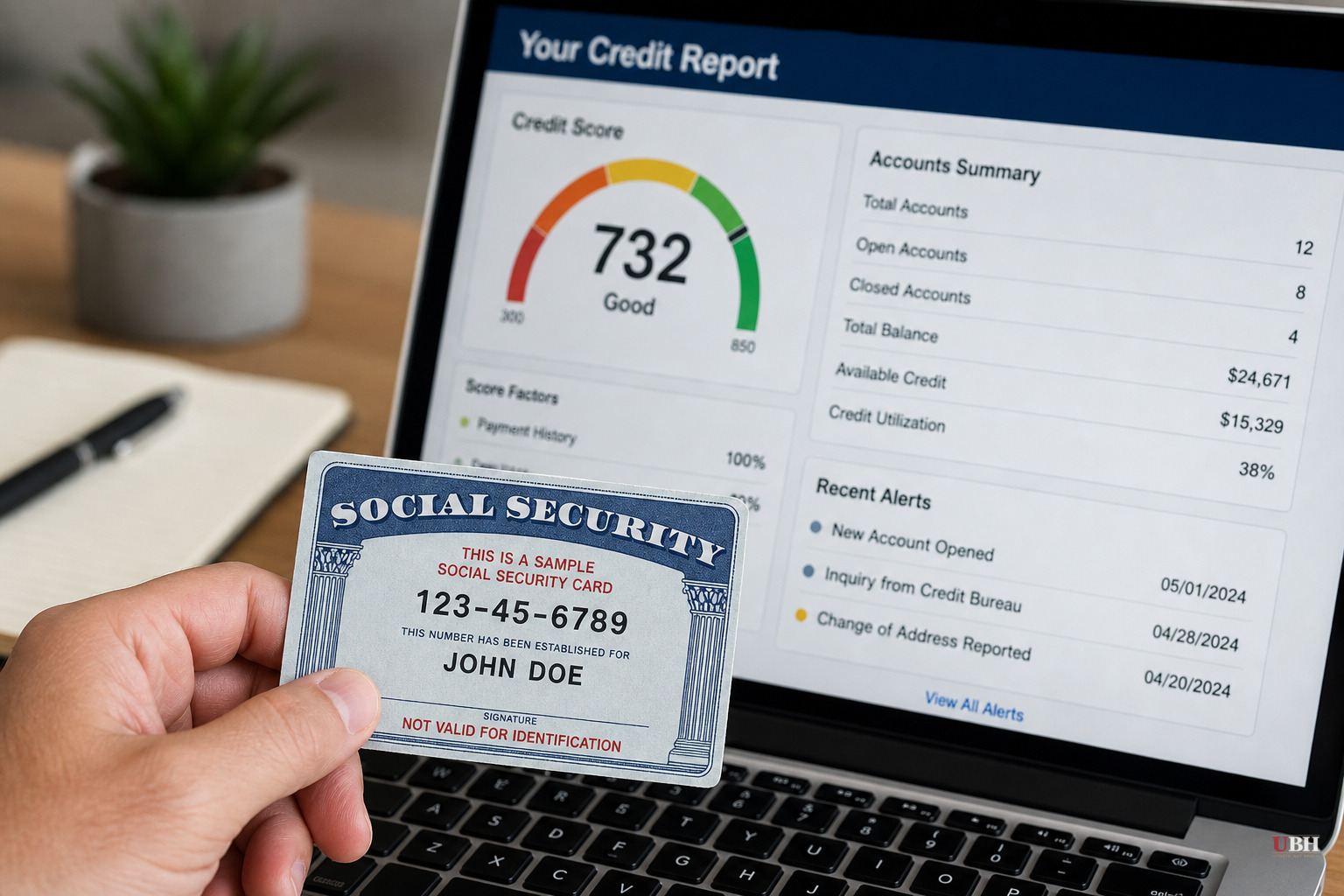
Data breaches have become so routine that most Americans have probably had some piece of personal information exposed at some point, whether they know it or not. The question isn't whether your data has ever leaked. It's what to do once you find out.
According to guidance from Fox News cybersecurity analyst Kurt "CyberGuy" Knutsson, trying to personally search the dark web for your own Social Security number is the wrong approach. Most people don't have safe access to the hidden marketplaces where stolen data gets traded, and poking around there yourself can expose you to malware or scams. The safer, more reliable path is watching for real-world warning signs: breach notification letters, unfamiliar credit inquiries, and suspicious account activity.
Those signs matter because a stolen SSN isn't like a stolen credit card number. A compromised card gets canceled and reissued in a day. A Social Security number is permanent. Once it's out there, criminals can use it to open new credit lines in your name, file fraudulent tax returns claiming your refund, hijack Social Security or unemployment benefits, or combine it with other leaked details (an address here, a birth date there) to build a full impersonation profile.
What Actually Works: Breach Notices and Monitoring, Not DIY Dark Web Searches
When a company sends you a breach notification, the instinct is to skim it and move on. These notices typically specify what type of data was exposed, whether names, SSNs, financial account numbers, or health records, and when the incident occurred. Save that letter. If fraud shows up later, you'll need it to prove the timeline to banks, credit bureaus, or the IRS.
Beyond breach notices, dark web monitoring and exposure-scan services can check whether your information appears in known leaked datasets without requiring you to go digging yourself. Several credit monitoring services bundle this kind of scan for free, alongside standard credit report tracking.
The Response Sequence That Actually Reduces Damage
Security experts generally converge on a few concrete steps once SSN exposure is suspected or confirmed. Freezing your credit with all three major bureaus (Equifax, Experian, and TransUnion) blocks new accounts from being opened in your name without your explicit unlock. It's free and reversible, and it's one of the single most effective tools available to consumers.
Beyond the freeze, checking your Social Security statement through the Social Security Administration's own online portal can reveal whether someone has reported wages under your number that you never earned, an early sign of benefits fraud or identity misuse for employment. Filing your tax return early, before a criminal can file a fraudulent one using your SSN to claim a refund, is another practical defense the IRS itself recommends every filing season.
Monitoring bank and credit card statements for small, unfamiliar charges is also worth taking seriously. Fraudsters frequently test stolen card or account numbers with tiny transactions before attempting larger ones, so a $1.13 charge from an unfamiliar vendor is not something to shrug off.
A Fair Question: How Much Should You Actually Worry?
A real concern that skeptics of the identity-theft-monitoring industry raise is that dark web monitoring services can't scan the entire dark web, and a scan result of "no exposure found" doesn't mean your data isn't out there somewhere unindexed. Critics of the broader credit-monitoring industry, including consumer advocates who've testified before Congress after past breaches, have argued these services sometimes oversell certainty they can't back up, and that the free tier of many offerings serves mainly as a funnel toward paid subscriptions.
That critique has merit as a caution against complacency, but it doesn't change the practical calculus for consumers. A credit freeze costs nothing and requires no subscription. Checking your own SSA earnings statement is free and takes minutes. Filing taxes early costs nothing extra. None of these baseline defenses depend on trusting a monitoring company's marketing claims.
What Happens Next
There's no federal law requiring companies to notify consumers of a breach within a specific universal timeframe. Notification rules vary by state, which means the gap between when your data is stolen and when you find out can stretch from days to months. Until Congress or the Federal Trade Commission moves on more uniform breach-disclosure standards, protection largely falls on individual vigilance: freeze your credit now, don't wait for a notice that might come late or not at all, and treat every unexplained account alert as worth a five-minute check rather than an inbox item to dismiss.
Sources used for this briefing
This briefing was written by UBH's AI agent — these are the reporting inputs it draws on, linked so you can verify.


