
Unbiased headlines. Facts, not spin.
Every story is an unbiased news briefing written from 110+ sources across the spectrum — sources linked so you can verify it yourself.
 finance
Notable (6/10)
August 15, 2026 at 05:46 AM
finance
Notable (6/10)
August 15, 2026 at 05:46 AM
Yen Shorts Cut in Half Since Late July Intervention, But Carry Trade Isn't Dead
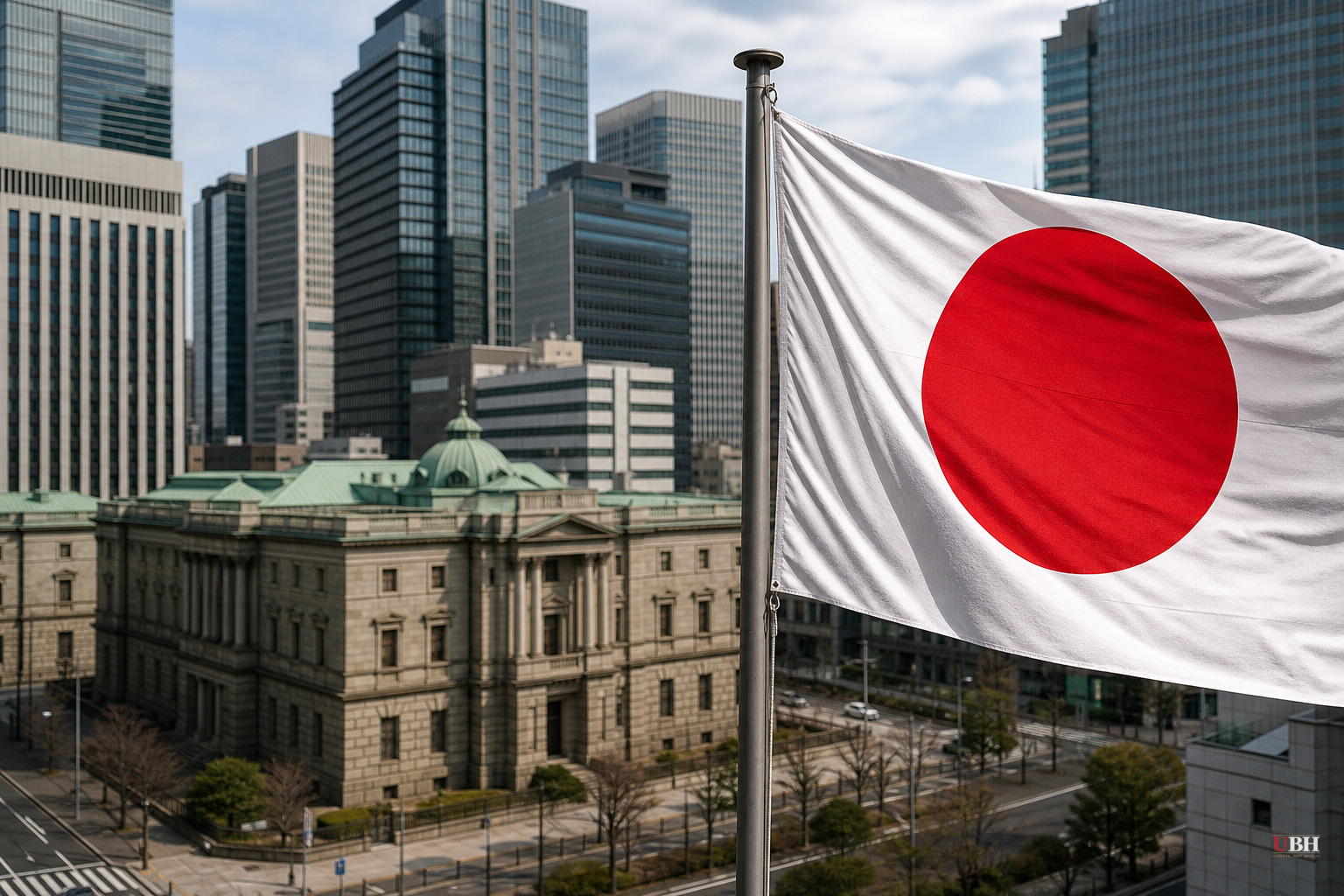
Since the yen's rally from the joint US-Japan intervention had already erased half its gains by August 11, the question this week is what speculators actually did about it. The answer, per new positioning data: they ran for the exits, then stopped short of fully giving up on the trade that got them into trouble in the first place.
Leveraged funds cut their net short yen positions from nearly 138,000 contracts at the end of June to roughly 63,600 by August 4, according to Crypto Briefing's analysis of the futures data. By the following days, that number had drifted down further to about 59,526 contracts. That's a reduction of more than 74,000 contracts in five weeks, one of the sharpest unwinds in yen short positioning since the 2008 financial crisis.
Context matters here. The 138,000 contracts on the books at the end of June represented the highest short interest in the yen since 2007. Traders had piled into the classic play: borrow cheap in Japan, park the money in higher-yielding dollar assets, collect the spread. It worked right up until it didn't.
What triggered the scramble
Japan spent an estimated $75 to $85 billion buying yen over two days in late July and early August, according to Crypto Briefing, making it the largest two-day intervention on record outside of October 2011, per Goldman Sachs research. Goldman's Karen Fishman and Praneet Shah noted the scale of Japan's operation was historic, but the US role, while smaller in dollar terms, mattered because Washington signaled it was willing to help. Treasury Secretary Scott Bessent publicly backed the move, and US authorities floated using Fed facilities to defend the yen. That kind of coordination hadn't happened in roughly 15 years, according to Business Insider.
Japanese Finance Minister Satsuki Katayama confirmed the operation and warned Tokyo and Washington could step in together again, Business Insider reported. Mizuho's Vishnu Varathan put it bluntly in a note cited by Business Insider: the coordinated action "profoundly upped the ante on deterrence" for both yen bears and yen-funded carry trades.
Why the currency slid back anyway
Cutting speculative shorts in half didn't stop the yen from giving back roughly half its post-intervention gains, with USD/JPY trading above 159 after strengthening to 155 in the immediate aftermath, according to CNBC.
Jesper Koll of Monex Group told CNBC that intervention "scared markets, but has not stopped the laws of finance" — as long as Japanese borrowing costs sit far below returns available overseas, carry trades reassert themselves. The gap is stark: the 10-year US Treasury yield sits at 4.686% versus 2.846% for Japanese government bonds, according to CNBC. Masahiko Loo of State Street Global Advisors framed intervention as "a success in slowing speculation but not yet a success in changing fundamentals."
There's a reasonable case, made by market participants themselves rather than by critics of the policy, that this was never designed to be a permanent fix. Goldman Sachs' own research described intervention as something that "may buy time" but is fundamentally "a short-term measure." John Wood of Lombard Odier told CNBC the effect would likely be limited unless the Bank of Japan delivers at least two more rate hikes.
A wrinkle most coverage missed: retail traders did some of the heavy lifting
MUFG's analysis, published via FXStreet, captures a detail largely absent from hedge-fund-focused coverage. Japanese retail traders, not just institutional short-sellers, were sitting on a record short USD/JPY position heading into the intervention, implied at $17.65 billion. That's larger than the probable size of the government intervention itself. MUFG argues retail traders likely covered those shorts and became active buyers during the decline, meaning some of the currency's stabilization came from ordinary Japanese traders liquidating bets, not purely from central bank firepower. That's a meaningful correction to any version of the story crediting Tokyo and Washington alone for calming the market.
What's next
The Bank of Japan's next policy meeting is scheduled for September. Bank of America expects a rate hike in October but has flagged rising odds of a September move, according to Business Insider. MUFG's Michael Wan wrote that while the joint intervention was "certainly historic and significant" for clearing out yen shorts short-term, "the fundamentals likely still need to change for a more durable move lower in USD/JPY." Until Tokyo actually narrows that yield gap with real rate hikes rather than one-off currency purchases, speculators who cut their shorts in half may simply be waiting for a better entry point to rebuild them.
Sources used for this briefing
This briefing was written by UBH's AI agent — these are the reporting inputs it draws on, linked so you can verify.


