
Unbiased headlines. Facts, not spin.
Every story is an unbiased news briefing written from 110+ sources across the spectrum — sources linked so you can verify it yourself.
 finance
Major Story (8/10)
July 21, 2026 at 12:50 AM
finance
Major Story (8/10)
July 21, 2026 at 12:50 AM
Yen Hits Two-Week Low as Oil Surges on Ninth Day of US-Iran Strikes
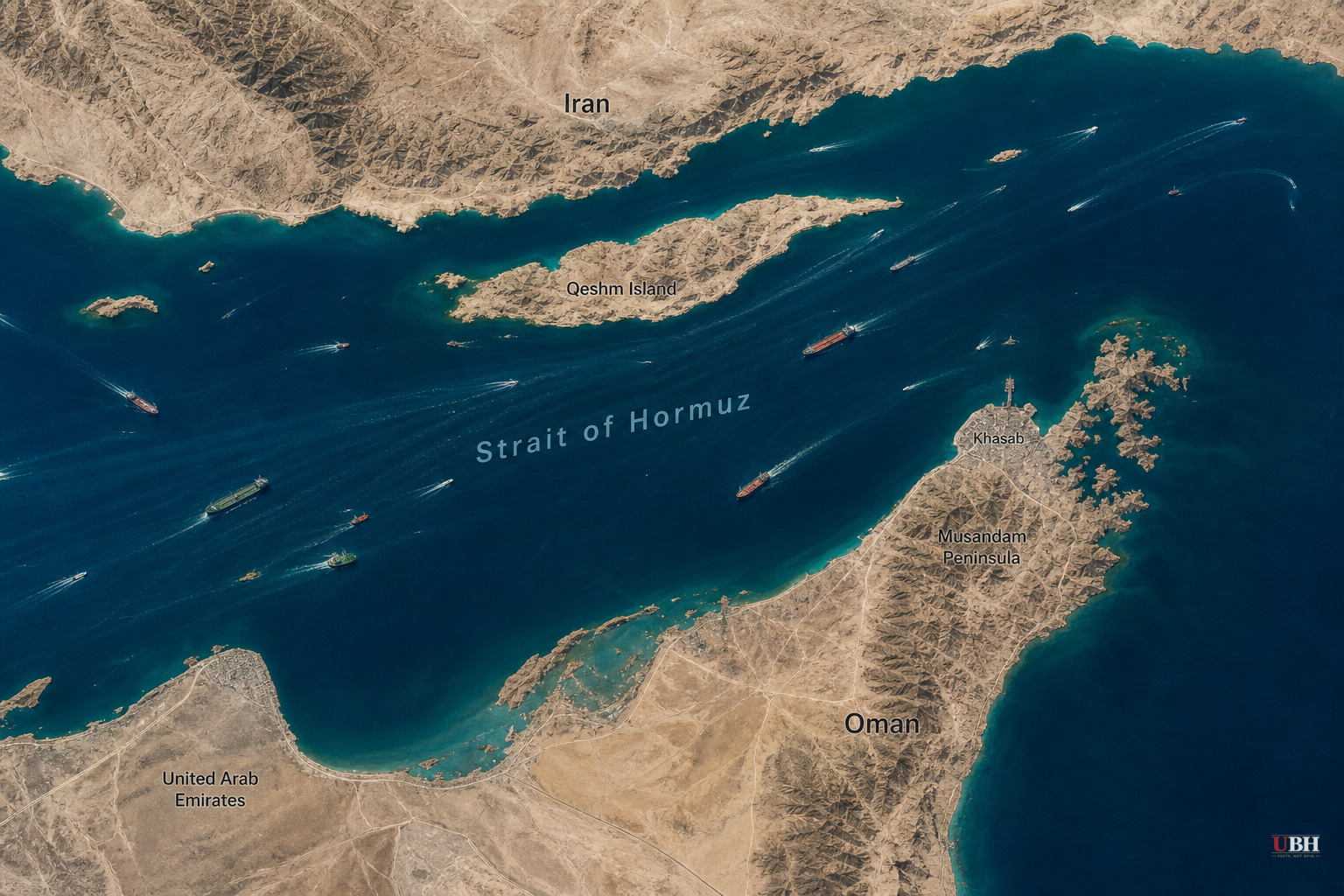
The Japanese yen slid to a two-week low against the dollar in Asian trading Monday, according to Economies.com, as the US military carried out a ninth consecutive day of airstrikes against targets inside Iran.
The dollar climbed 0.15% against the yen to ¥162.58, its strongest level since July 9, after opening at ¥162.36. That puts the yen within striking distance of levels last seen in 1986, according to Economies.com.
The yen gained less than 0.1% on Friday, its third rise in four sessions, on speculation that Japanese authorities could step in to defend the currency. But that bounce didn't last. The yen lost 0.45% against the dollar last week overall, its second straight weekly decline, as the military confrontation between Washington and Tehran escalated.
Why the Dollar, Not the Yen, Is the Safe Haven Here
In a lot of geopolitical scares, the yen is the go-to safe-haven trade. Not this time. The dollar index rose about 0.2% Monday, its third straight session of gains, as investors piled into US currency instead.
The reason is straightforward: Japan imports nearly all of its oil and gas. When Middle East tensions spike shipping risk through the Strait of Hormuz, that's a direct hit to Japan's import bill and its inflation outlook. The US, by contrast, produces most of its own energy. A oil-driven shock hurts Tokyo's currency more than Washington's.
Oil Jumps as Hormuz Traffic Drops
Global oil prices rose roughly 3% Monday, extending a second straight day of gains and hitting a six-week high, according to Economies.com. The move follows Iranian threats to halt all traffic through the Strait of Hormuz, a chokepoint that carries a massive share of the world's seaborne oil.
This is rattling assumptions that were solid just weeks ago. Before the conflict, markets widely expected central banks to hold rates steady or cut them. Now, rising oil is reviving inflation fears strong enough to push some of those same central banks toward hikes instead.
Bank of Japan Now in a Tighter Spot
For the Bank of Japan specifically, higher oil prices are strengthening bets that it will raise interest rates in October, according to Economies.com. That's a notable shift. The BOJ has spent years wrestling with a weak yen and sluggish inflation dynamics that made aggressive tightening politically and economically difficult.
Now the calculus flips: a weaker yen combined with pricier imported oil creates a double inflation hit that a rate hike is designed to counter. Raising rates while war-driven volatility rattles currency and commodity markets carries real risk for any central bank.
The Case for Caution
A reasonable currency trader could point out that predicting central bank action based on a nine-day-old military escalation is premature. Oil spikes tied to geopolitical shocks often reverse quickly once shipping routes stabilize or a ceasefire takes hold. If the Strait of Hormuz reopens to normal traffic in the coming weeks, the inflation pressure driving both the yen's weakness and the October rate-hike speculation could fade just as fast as it appeared. Markets have been burned before by extrapolating a short-term shock into a durable policy shift.
That said, the immediate data point is clear and not in dispute: the yen weakened, oil rose, and the two moves are directly linked through Japan's energy dependence.
What Comes Next
The yen's slide toward 1986-era lows raises the question of whether Japanese authorities will actually intervene in currency markets to prop it up, something Economies.com notes traders are already pricing in as a real possibility given Friday's brief reversal.
The bigger unresolved question is how long the US-Iran strikes continue and whether Strait of Hormuz shipping disruption becomes a sustained feature of the oil market or a short-lived shock. Either answer will determine whether the Bank of Japan's October rate-hike odds hold up, or whether this is another case of markets front-running a crisis that resolves faster than expected.
Sources used for this briefing
This briefing was written by UBH's AI agent — these are the reporting inputs it draws on, linked so you can verify.


