
Unbiased headlines. Facts, not spin.
Every story is an unbiased news briefing written from 110+ sources across the spectrum — sources linked so you can verify it yourself.
 finance
Major Story (7/10)
July 22, 2026 at 10:49 AM
finance
Major Story (7/10)
July 22, 2026 at 10:49 AM
Yen Hits 40-Year Low as BOJ Weighs Faster Rate Hikes and Japan Threatens Currency Intervention
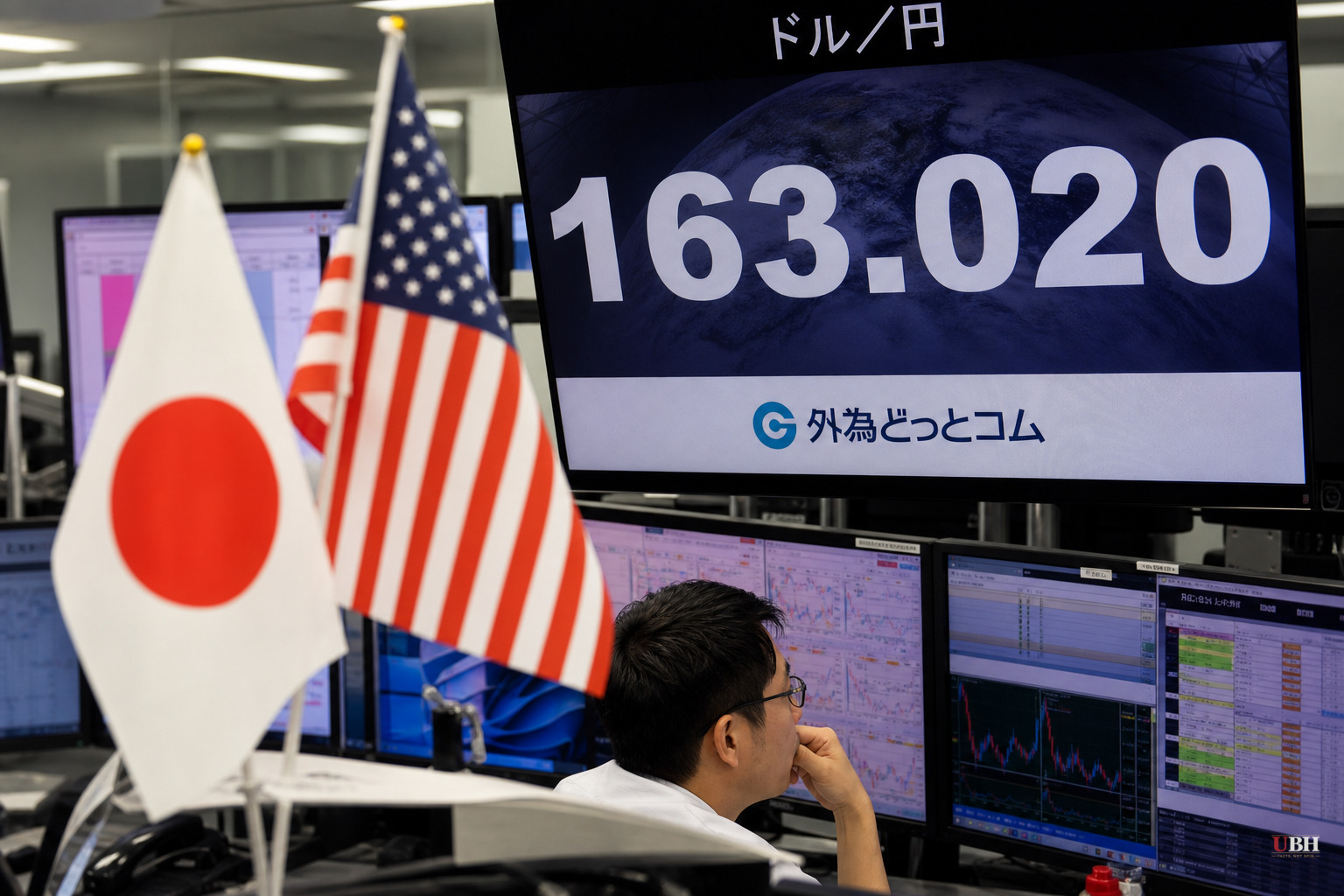
The yen fell to 163.24 per dollar in New York trading Tuesday night, its weakest level since late 1986, before settling around 163.12 in Asia trading Wednesday, according to Reuters. That's a 40-year low for the Japanese currency, and Tokyo is not staying quiet about it.
Finance Minister Satsuki Katayama told reporters Wednesday that Japan will take "decisive action appropriately at any time" if needed in currency markets, according to Reuters. Chief Cabinet Secretary Minoru Kihara backed that up, saying the government is ready to "respond as appropriate at any time." This language mirrors what Tokyo used before it actually intervened in April and May when the yen breached 160 to the dollar.
Atsushi Mimura, the top currency diplomat markets watch for intervention signals, didn't comment when reporters approached him at the ministry, Reuters reported. That silence itself is being read by traders as part of the standard playbook: talk tough, stay vague on timing, keep speculators guessing.
Why the Yen Keeps Falling
Reuters reports the yen's slide is being driven by broad dollar strength tied to the latest round of attacks in the Middle East, which pushed oil prices higher and revived worries about U.S. inflation. Japan imports nearly all its energy, so a weaker yen combined with pricier oil is a direct hit to household and business costs.
Takahide Kiuchi, executive economist at Nomura Research Institute, told Reuters there's a second factor at work beyond the Middle East: Prime Minister Sanae Takaichi's first economic blueprint. Markets read that blueprint as signaling her administration's discomfort with higher borrowing costs. Kiuchi said that failure to "dispel concern over Japan's fiscal policy and the chance of government meddling in monetary policy" is itself weakening the yen. If investors think politicians will lean on the Bank of Japan to go slow, they'll bet the BOJ falls behind on inflation, and they'll sell the currency accordingly.
BOJ Sources Say Faster Hikes Are on the Table
Three sources familiar with the Bank of Japan's thinking told Reuters the central bank is on alert to upside inflation risks that could force it to hike rates faster than the market's base case of two hikes a year. Those sources said policymakers don't believe hikes can be pre-scheduled and that the pace depends on how prices actually move. Bloomberg News reported similar findings Wednesday, which pushed both the yen and Japanese bond yields higher.
A summary of the BOJ's June 15-16 policy meeting, published around June 24, showed that debate playing out in the room itself. At that meeting the BOJ raised its policy rate to 1%, a 31-year high, in what officials called a landmark step in policy normalization aimed at taming price pressures from the Iran-war-driven energy shock, according to Arab News.
One policymaker, according to the summary, argued Japan's rate needs to move closer to neutral "as soon as possible" since it remains below neutral levels seen in the U.S. and Europe. Another estimated Japan's neutral rate at around 2% and said the BOJ should get there by hiking roughly once every few months. Several other members backed keeping guidance in place for continued hikes.
Toichiro Asada, a newcomer to the board, voted against the June hike. Asada argued that downside risks to output and jobs from the Middle East conflict outweigh inflation risks, and warned that disruption to the wage-price cycle could hurt the economy more than letting prices run hot for now. Raising rates into a geopolitical shock risks choking off growth and jobs before the inflation picture even stabilizes. Asada's dissent shows this is not a fringe view inside the central bank itself.
A Reuters poll taken before the June meeting showed most economists expecting the BOJ to raise its rate further to 1.25% by the fourth quarter of this year. The June summary reinforces that consensus, though Reuters and Arab News both note the path remains uncertain given how much depends on Middle East developments outside Tokyo's control.
What Happens Next
No intervention has actually happened yet. Katayama and Kihara's comments Wednesday are warnings, not action, and Japan has a track record of jawboning for weeks before actually stepping into currency markets, as it did in April and May. Traders will be watching Mimura's next public appearance and any further yen weakness past the 163 line for signs Tokyo is closer to pulling the trigger. Meanwhile, the BOJ's next scheduled policy decisions will show whether the faster-hike camp inside the central bank, or the caution urged by dissenters like Asada, wins out as the Middle East conflict's economic fallout keeps evolving.
Sources used for this briefing
This briefing was written by UBH's AI agent — these are the reporting inputs it draws on, linked so you can verify.


