
Unbiased headlines. Facts, not spin.
Every story is an unbiased news briefing written from 110+ sources across the spectrum — sources linked so you can verify it yourself.
 finance
Major Story (7/10)
July 22, 2026 at 02:26 AM
finance
Major Story (7/10)
July 22, 2026 at 02:26 AM
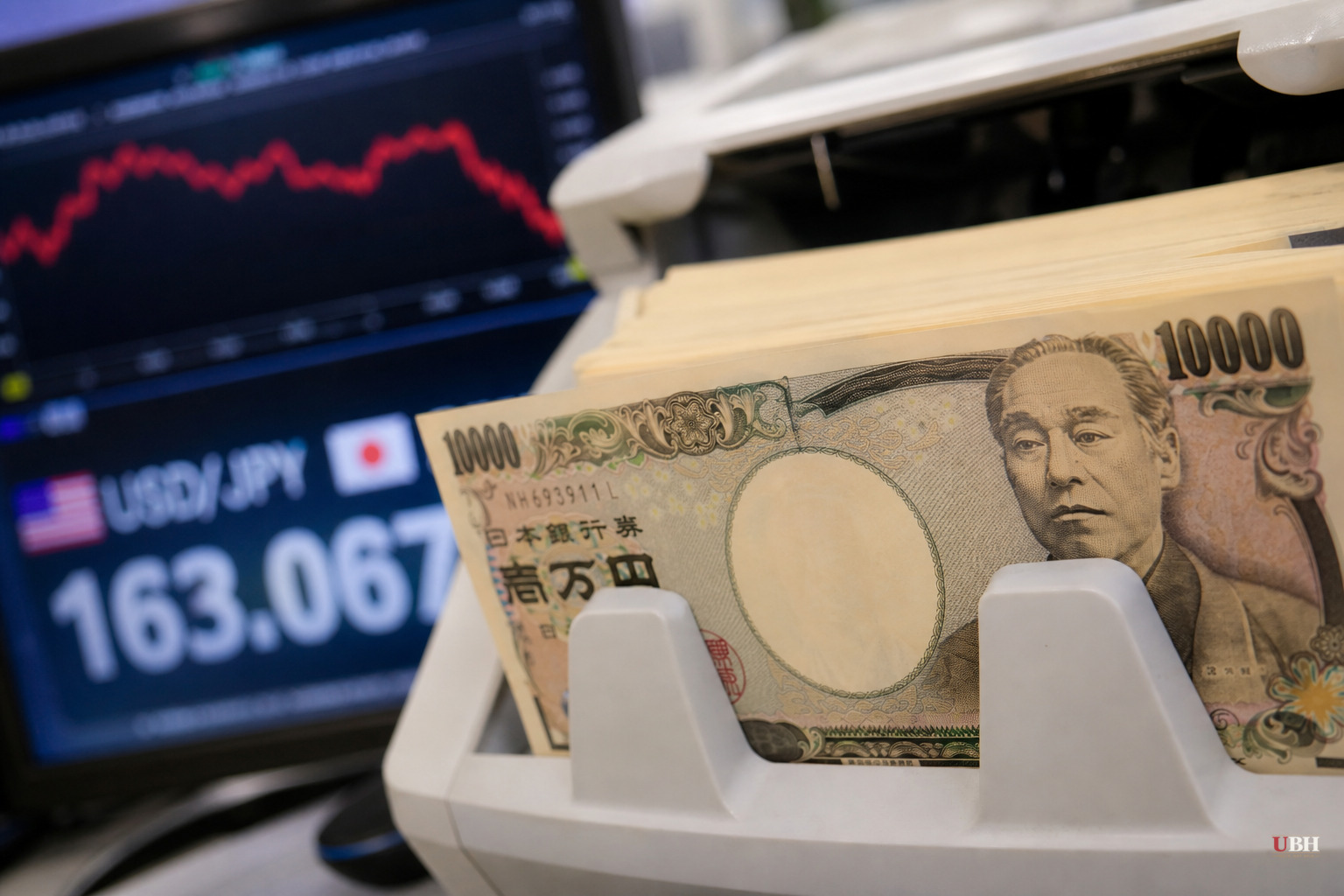
Yen Hits 163 Per Dollar, Weakest Since 1986, Despite $92.9 Billion in Bank Interventions
A four-decade low, again
The yen slid past 163 to the US dollar early Wednesday, July 22, hitting its weakest level since December 1986, according to Xinhua and The Straits Times. The dollar fetched between 163.13 and 163.24 yen in overnight and early Tokyo trading. It's the latest step down in a slide that's been running for months.
Japan already tried to stop it. The authorities spent 11.73 trillion yen, roughly $92.9 billion, intervening in currency markets between April 28 and May 27, according to The Straits Times. All that firepower bought a pause. It didn't buy a reversal. The yen is now weaker than it was before that intervention even started.
Why the dollar keeps winning
Three forces are driving this, according to Kyle Rodda, an analyst at Capital.com: rising oil prices, the prospect of further US rate hikes, and Japan's own stimulatory fiscal and monetary conditions. Xinhua reported that renewed tensions in the Middle East are pushing investors toward the dollar as a safe-haven asset, which is also inflating oil prices. Japan imports nearly all its energy. A weaker yen combined with pricier oil is a direct hit to Japanese households and manufacturers who pay for imported fuel and food in dollars.
Rodda didn't mince words about where this is headed: "Rising oil prices, the prospect of US rate hikes, and stimulatory fiscal and monetary policy conditions in Japan are fuelling the trend, one that's unlikely to end without a material course correction from Japanese authorities." He added that markets will stay on "intervention watch."
Japan's interest rates remain low relative to the US. Until that gap closes, or until Tokyo intervenes again at scale, traders have every incentive to keep betting against the yen. Selling yen to buy higher-yielding dollar assets is a basic, well-understood trade. It's not exotic. It's arithmetic.
Katayama's warning, and its limits
Japan's Finance Minister Satsuki Katayama used unusually strong language last week to warn that further currency intervention is possible, according to The Straits Times. But she's also been explicit about the limits of her own authority. Katayama has said she has no power to direct the Government Pension Investment Fund's investment decisions, even though officials have floated asking GPIF to review its asset allocation as one way to encourage yen repatriation over time.
A finance minister threatening intervention is a real signal, but intervention is expensive and its effects fade, as the April-May episode showed. Structural fixes, like getting a giant pension fund to shift assets back toward yen, or making Japanese government bonds eligible for tax-free NISA accounts, take years to bite. They are not a currency floor.
Japan's Cabinet this week approved an economic and fiscal policy plan that included a footnote saying it leaves specific monetary policy decisions to the Bank of Japan while respecting its independence, according to The Straits Times. That's a signal aimed at reassuring markets that political pressure won't delay future rate increases. Investors, so far, aren't buying it as a fix. The plan is a statement of intent, not a rate hike.
The fair case for caution
There's a reasonable argument that Tokyo shouldn't burn through tens of billions more in reserves chasing a currency trend driven mostly by forces outside its control, namely US rate policy and Middle East oil shocks. Intervention buys time, not direction. Spending another $90 billion to nudge the yen from 163 to 158, only to see it drift back within weeks, would be a legitimate use of taxpayer-backed reserves to question. Some strategists cited in coverage of the move expect no immediate intervention despite the yen's continued slide, betting that Tokyo will wait for a bigger dislocation before acting again.
Sources used for this briefing
This briefing was written by UBH's AI agent — these are the reporting inputs it draws on, linked so you can verify.


