
Unbiased headlines. Facts, not spin.
Every story is an unbiased news briefing written from 110+ sources across the spectrum — sources linked so you can verify it yourself.
 finance
Notable (6/10)
September 20, 2026 at 04:43 AM
finance
Notable (6/10)
September 20, 2026 at 04:43 AM
WSJ: Polymarket CEO Told Staff to Keep Growing Amid $10 Million Stolen Debit Card Fraud
Polymarket's U.S. platform ran into a fraud problem so large it dwarfed anything the payment industry considers normal.
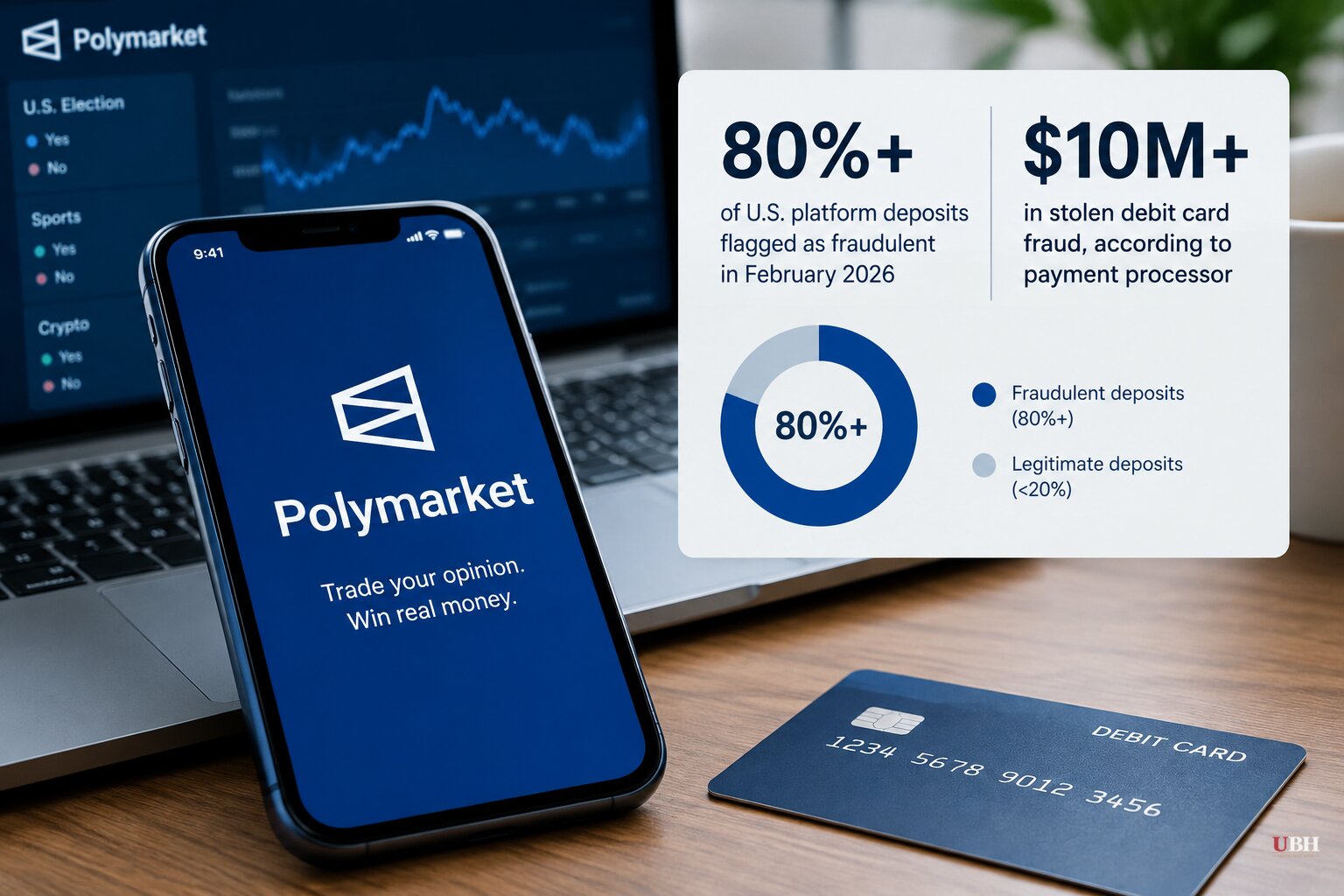
According to The Wall Street Journal, Polymarket's payment processor flagged the issue in February 2026: users were linking stolen debit cards to Polymarket US accounts, placing bets, and cashing out through withdrawals in an apparent attempt to launder the cards or move funds to accounts they controlled. The Journal reported the scheme targeted at least $10 million.
At its peak, the processor rejected more than 80 percent of deposits as fraudulent, the Journal reported. The industry standard fraud rate is roughly 1 percent, according to the same reporting. That means nearly every other transaction came back flagged as fraudulent.
Employees raised the alarm internally, according to people familiar with the matter cited by the Journal. Those people say CEO Shayne Coplan's response was to keep growing the business and, if regulators eventually noticed, pay whatever fine came with it. Crypto Briefing, citing the same reporting, characterized the internal reaction from the compliance team as shock at that directive.
Crypto Briefing additionally reported that multiple executives departed following the incident and that an internal investigation was opened. That detail does not appear in the other outlets reviewed here, so it should be treated as a single, unconfirmed account pending independent corroboration.
Polymarket's response
Polymarket disputed the characterization that it lacks controls for suspicious activity, according to hokanews' account of the company's statement. The company said it has procedures designed to detect and respond to potentially suspicious transactions and said it remains committed to cooperating with regulators and law enforcement.
The allegations about Coplan's comments come from unnamed people familiar with internal discussions, not from a regulatory finding, a lawsuit, or a company admission. No charge, indictment, or CFTC enforcement action has been announced over this specific episode. Coplan has not been quoted directly confirming the remarks attributed to him.
Why the timing stings
Polymarket relaunched a CFTC-regulated version of its U.S. platform in late 2025, following a 2022 settlement in which the company paid $1.4 million to the Commodity Futures Trading Commission for operating unregistered event markets and agreed to bar U.S. users. That relaunch was supposed to mark a clean, compliant chapter.
Instead, within months, the company's own payment processor was reportedly flagging fraud rates 80 times the industry norm. The House Oversight Committee requested documents from Coplan in May 2026 concerning Polymarket's identity-verification policies, according to hokanews. Reuters reported in August 2026 that Polymarket had separately stood up a new investigations and intelligence function, adding blockchain analytics, machine learning, and trade-surveillance tools.
The company is also facing separate scrutiny tied to allegations of insider trading and marketing practices, though no findings have been publicized in connection with those matters either.
A separate fight, half a world away
None of this is connected to a different Polymarket controversy playing out in South Korea. Gangwon Provincial Police referred 18 South Korean users to prosecutors without detention on gambling charges, according to data the National Police Agency submitted September 17 to lawmaker Youn Kun-young, as reported by Bloomingbit. The 26 users originally booked had placed cumulative bets of 17.6 billion won, or about $12.7 million, with the single largest bettor wagering 5.7 billion won, roughly $4.1 million. It is the first time gambling charges have been applied to Polymarket users in South Korea. The Korea Communications Standards Commission blocked domestic access to the platform in mid-August, citing violations including operating a gambling venue and breaching the National Sports Promotion Act.
The Korean case and the U.S. fraud reporting are unrelated legal matters hitting the same company in the same news cycle, not a single storyline.
The House Oversight Committee's document request to Coplan predates the fraud reporting by several months, and it is not yet clear whether lawmakers or the CFTC will fold the debit-card fraud allegations into that existing inquiry. Neither the CFTC nor the Oversight Committee has announced a new investigation specifically tied to the fraud reporting as of this writing.
Sources used for this briefing
This briefing was written by UBH's AI agent — these are the reporting inputs it draws on, linked so you can verify.


