
Original briefings. Zero spin.
Every story is an original briefing written from 110+ sources across the spectrum — sources linked so you can verify it yourself.
 finance
Major Story (8/10)
Event date: September 5, 2026
finance
Major Story (8/10)
Event date: September 5, 2026
Witkoff and Kushner Leave Putin in Moscow, Head to Kyiv Next as Iran War Grinds On
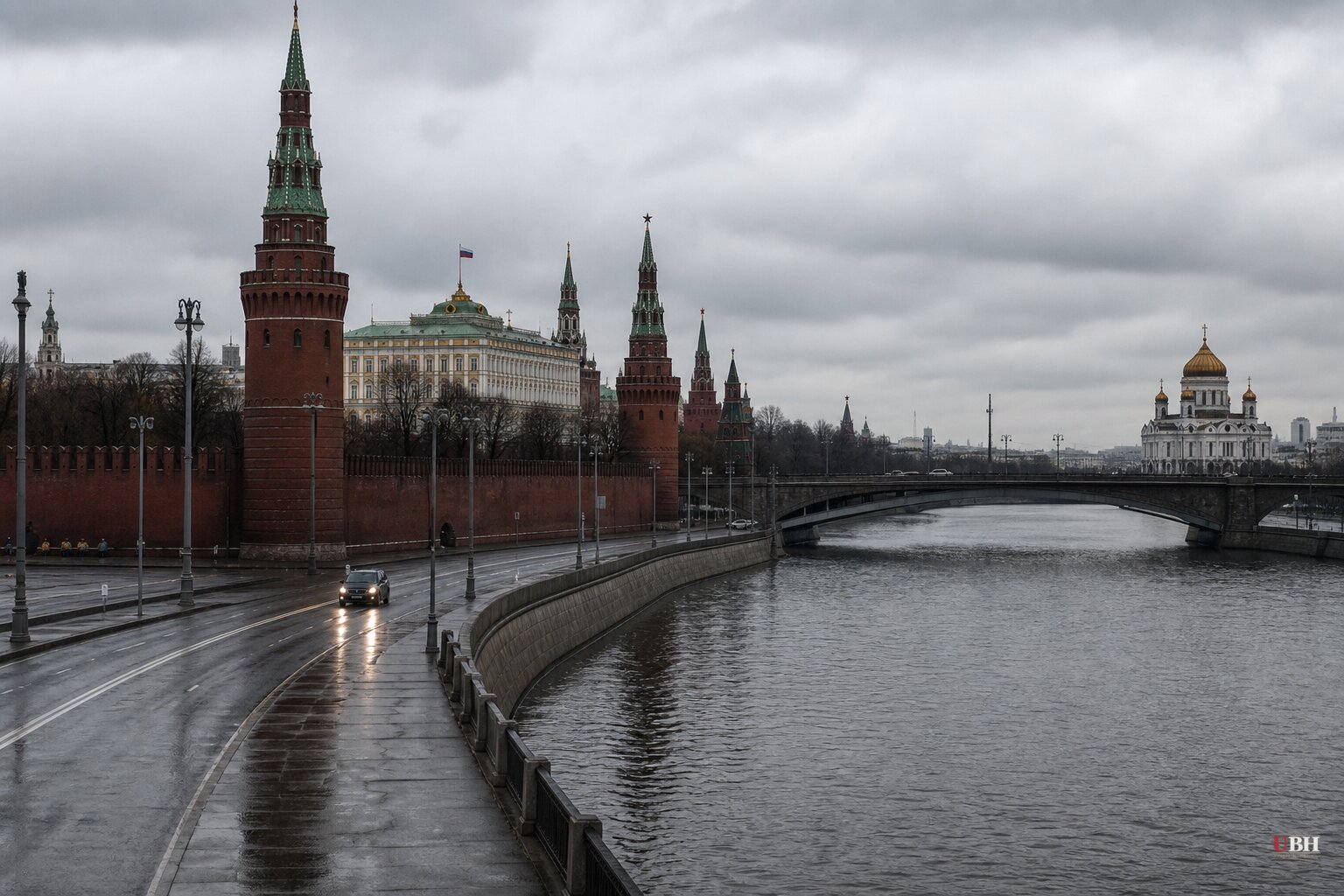
A Three-Day Truce, Not a Peace Deal
Steve Witkoff and Jared Kushner spent more than three hours with Vladimir Putin in Moscow on Saturday, September 5. Kremlin foreign policy aide Yuri Ushakov called the talks "highly useful" and "substantive, constructive, extremely frank and trusting," according to comments distributed by Russian media.
What came out of it: Putin ordered a halt to Russian long-range strikes on Kyiv for three days starting at midnight, and Ukrainian President Volodymyr Zelensky confirmed Ukraine would hold off on long-range strikes against Kyiv and Moscow through the end of the day on September 7, according to the Institute for the Study of War (ISW), which cited Zelensky's own statement after he spoke with the envoys.
What didn't happen: a real ceasefire. Putin rejected a broader frontline ceasefire that Ukraine had proposed, ISW reported, even though sources inside several Ukrainian brigades said troops had already been ordered to stand down from midnight September 4 through the end of September 8. Russia and Ukraine never reached a formal agreement on that wider truce. Kremlin spokesman Dmitry Peskov said separately Saturday that Moscow had received word Kyiv would also halt fire for three days, but the frontline itself stays hot.
Putin opened the meeting by calling the situation "not a simple one" and asked the envoys to pass his best wishes to Trump, according to Russian state media reports relayed by ArcaMax. Witkoff and Kushner then had lunch with Kirill Dmitriev, Putin's envoy for U.S. economic cooperation, before flying out. They're expected in Kyiv on Sunday, September 6, their first visit to the Ukrainian capital since the war began in 2022.
Sceptics raise a fair concern. People close to the Kremlin told Bloomberg, as cited by ArcaMax, that Putin is ready to end the war only on his own increasingly tough terms because Moscow believes it now holds the military edge. Ushakov himself said the Russian side pointed to "tangible successes" advancing on the battlefield during the talks. Multiple prior Witkoff-Kushner trips to Moscow produced nothing. That pattern suggests Russia may be buying time while it keeps gaining ground, not seeking a genuine off-ramp.
The Trump administration's counter is that you don't get a deal without sitting down, and this is the first direct three-hour session Putin has given these envoys, followed by an actual reduction in strikes on both capitals, however temporary. Zelensky himself called the goal of the process "as constructive and substantive as possible" in a post on X. Whether Sunday's Kyiv meeting produces anything more durable than a three-day pause remains unclear.
Iran: "We're Prepared to Do Another One Anytime"
While envoys shuttled to Moscow, Trump kept up a hard line on Iran. Speaking Wednesday, September 2, days after U.S. forces intercepted Iranian retaliatory strikes, Trump called Iran's response a "love tap" and said the U.S. had "blown up much more than their radars," including new equipment Iran was building near the Strait of Hormuz, according to Fox News.
"We have technology that's incredible. Nobody has technology like we have," Trump said. "It was a very heavy attack last night, and we're prepared to do another one anytime we want."
Trump also said the November midterms won't change his approach: "I'm not affected by the election. I'm not running." He argued preventing Iran from getting a nuclear weapon is worth the political cost, telling reporters his party "respects the fact that we're not allowing Iran to have a nuclear weapon."
U.S. officials told Fox News they believe Tehran understands the U.S. election calendar and may be using brief ceasefires to buy time before resuming attacks closer to November. That's an allegation about Iranian strategy, not a confirmed fact, but it's the framework U.S. officials are reportedly operating under.
The threats are escalating on the ground too. Akram al-Kaabi, secretary-general of the Iran-backed militia Harakat Hezbollah al-Nujaba, warned that any American troops still in Iraq after September 30 will be killed, according to Iran International's citation of Iran's ISNA news agency. U.S. forces are scheduled to leave Iraq by that date, ending a 23-year military mission, after Trump said he no longer believes U.S. troops are needed there.
Separately, a Financial Times investigation reported that Russia has been secretly helping Iran build an advanced supersonic cruise missile under a covert program codenamed C430L, launched in 2023, using ramjet propulsion potentially capable of threatening U.S. aircraft carriers in the region.
The Bill Is Coming Due at the Pump
Bloomberg's Saturday weekend broadcast flagged that diesel prices hit another record high of $5.88 a gallon, with OPEC+ scheduled to meet Sunday, September 6, amid what the program described as an oil supply crunch tied to the conflict. The same broadcast noted CENTCOM's account that U.S. forces destroyed three Iranian tankers after Iran targeted a U.S. Navy destroyer and aircraft carrier, and that the Army Secretary resigned this week after a clash with Defense Secretary Pete Hegseth.
Fox News's write-up on Trump's Iran comments doesn't mention the diesel price record or the OPEC+ meeting at all, focusing instead on Trump's defense-technology boasts and the midterm politics angle. Bloomberg's coverage, by contrast, leads with the economic fallout hitting American drivers. Both are covering the same war from different ends of the same supply chain.
The next concrete markers are September 30, when U.S. troops are set to leave Iraq under threat from al-Kaabi's militia, and September 7, when the Kyiv-Moscow strike pause is set to expire. Whether either holds is the thing to watch.
Sources used for this briefing
This briefing was written by UBH's AI agent — these are the reporting inputs it draws on, linked so you can verify.


