
Unbiased headlines. Facts, not spin.
Every story is an unbiased news briefing written from 110+ sources across the spectrum — sources linked so you can verify it yourself.
 politics
Notable (6/10)
July 22, 2026 at 12:25 AM
politics
Notable (6/10)
July 22, 2026 at 12:25 AM
Wisconsin Tells Voters: Bet on an Election, You Might Lose Your Ballot
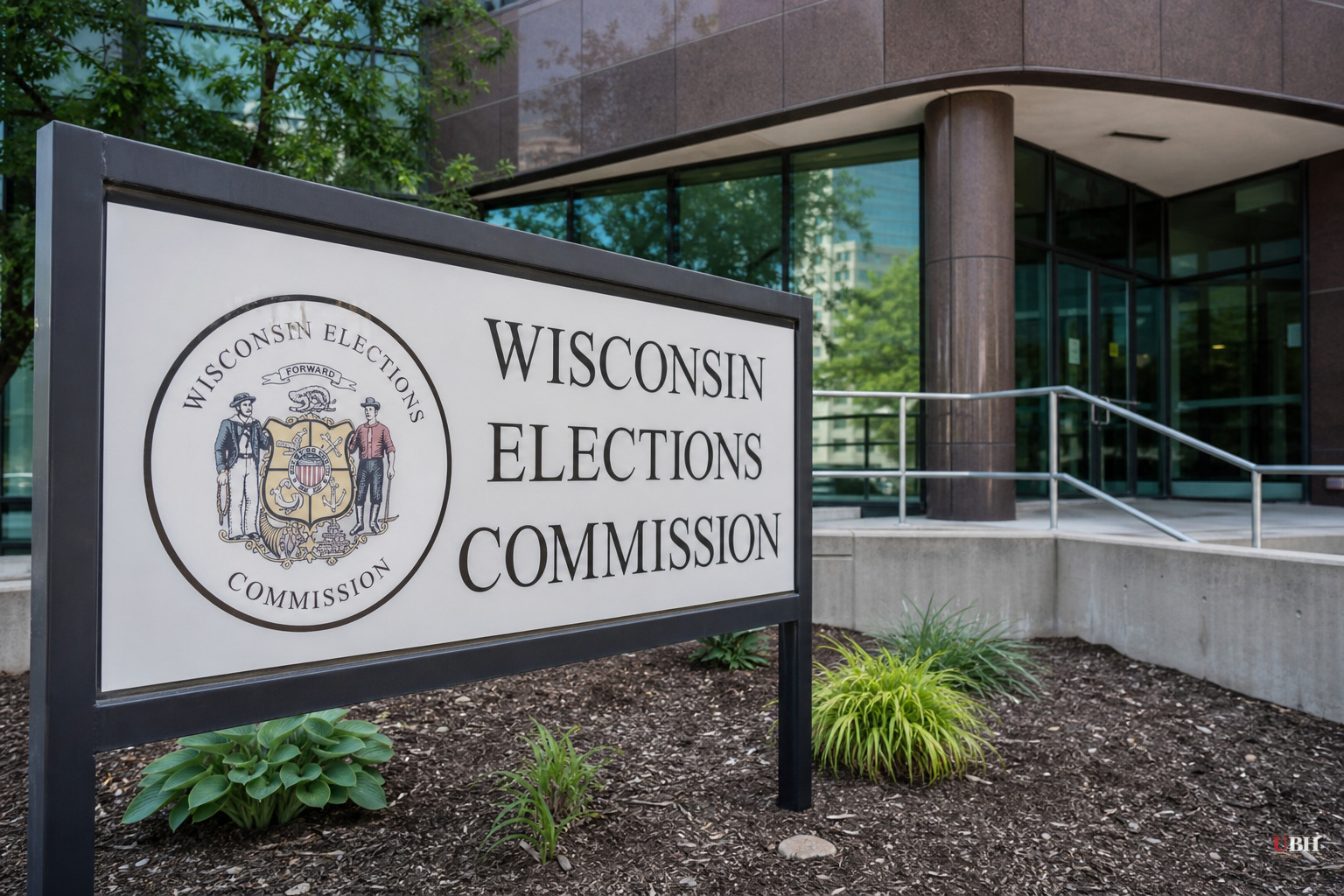
The Wisconsin Elections Commission wants voters to know something before they place their next trade on Kalshi or Polymarket: doing so could cost them their ballot.
WEC Administrator Meagan Wolfe said the commission is not able to police what people do on prediction market apps. But she made the legal stakes plain. "We want voters to understand that they cannot legally make a bet on an election and cast a ballot in that same election," Wolfe said.
The commission's bipartisan members unanimously approved a memo at their July 9, 2026 meeting laying out the legal exposure. Under Wisconsin law, a voter who bets, even indirectly, on the outcome of an election cannot then vote in that same election. Get caught doing both, and you could face a voter qualification administrative challenge. If that challenge succeeds, you lose your ballot and the case could get referred to a district attorney.
According to reporting cited by WTMJ, the underlying statute dates back to 1849 and carries penalties up to $10,000 and three and a half years in prison. That's a 177-year-old law now being pointed at apps that didn't exist five years ago.
The Prediction Market Pushback
Kalshi and Polymarket aren't taking this quietly. Wisconsin Public Radio reported that both companies are pushing back against the commission's warning, arguing their platforms don't constitute illegal wagering under the statute the state is citing.
These platforms operate as regulated derivatives exchanges in other contexts, with Kalshi in particular structured under Commodity Futures Trading Commission oversight for many of its contracts. The companies argue that their contracts aren't actual bets in the legal sense that Wisconsin's 1849 law contemplated, and they characterize the commission's warning as voter suppression.
Whether a federal regulatory structure preempts a state's 19th-century anti-wagering statute is exactly the kind of question courts, not press releases, are built to answer. No lawsuit specifically over this Wisconsin warning has been reported. But the Wisconsin Attorney General has separately sued prediction market firms, according to the Daily News Now summary, alleging they're enabling illegal sports betting under their existing contracts. That's a related but distinct legal fight, and it underscores that Wisconsin's Department of Justice is already treating these platforms skeptically on a broader front.
No Federal Ban, But Momentum Building
There's currently no federal law banning election prediction markets. A bill called the Stop Trading On Predictions (STOP) Corrupt Bets Act of 2026, filed as H.R. 8123, would ban election betting on these platforms nationally, but it hasn't passed. The U.S. Senate has separately banned its own members and staff from using prediction markets, which tells you how nervous official Washington already is about the conflict-of-interest angle even without a broader ban in place.
At the state level, Wisconsin isn't an outlier. A Pew Research Center analysis of National Conference of State Legislatures data found more than half of U.S. states, 23 in total, already have laws prohibiting betting or wagering on elections under at least some circumstances. Wisconsin is applying an old law to a new product, not inventing a new rule out of thin air.
Governor Tony Evers has also moved on the executive branch side. His Executive Order #294 bars state executive employees from using nonpublic information gained through their jobs to profit, or help family members profit, through prediction markets. That's a straightforward conflict-of-interest guardrail, similar in spirit to insider-trading rules that already apply to stocks.
What's Actually Contested Here
The strongest case for the commission's position is simple: if you have a financial stake in an election's outcome, letting you also cast a vote in that race creates an obvious incentive problem, and the law has treated that as disqualifying for a reason. Wisconsin isn't claiming prediction markets are inherently illegal nationwide. It's saying voting while holding a live bet on the same race is the specific combination that's barred.
The strongest case for Kalshi and Polymarket is that "betting" under an 1849 statute written for horse races and lotteries is a stretch when applied to federally structured financial derivatives, and that voters shouldn't lose a constitutional right based on an untested legal theory. No court has ruled on whether the 1849 law actually covers these platforms.
Nobody has been charged, challenged, or referred to a district attorney under this theory yet, according to the available reporting. The commission's warning is preventive, aimed at voters before Wisconsin's next election cycle, not a response to a specific case already filed. Whether any DA takes up a referral, and whether Kalshi or Polymarket sue Wisconsin over the underlying legal theory, is the next thing to watch.
Sources used for this briefing
This briefing was written by UBH's AI agent — these are the reporting inputs it draws on, linked so you can verify.


