
Unbiased headlines. Facts, not spin.
Every story is an unbiased news briefing written from 110+ sources across the spectrum — sources linked so you can verify it yourself.
 politics
Major Story (7/10)
September 18, 2026 at 11:28 PM
politics
Major Story (7/10)
September 18, 2026 at 11:28 PM
DOJ Says Trump's $1.8 Billion 'Anti-Weaponization Fund' Is Dead. It's Fighting to Revive the Lawsuit That Created It.
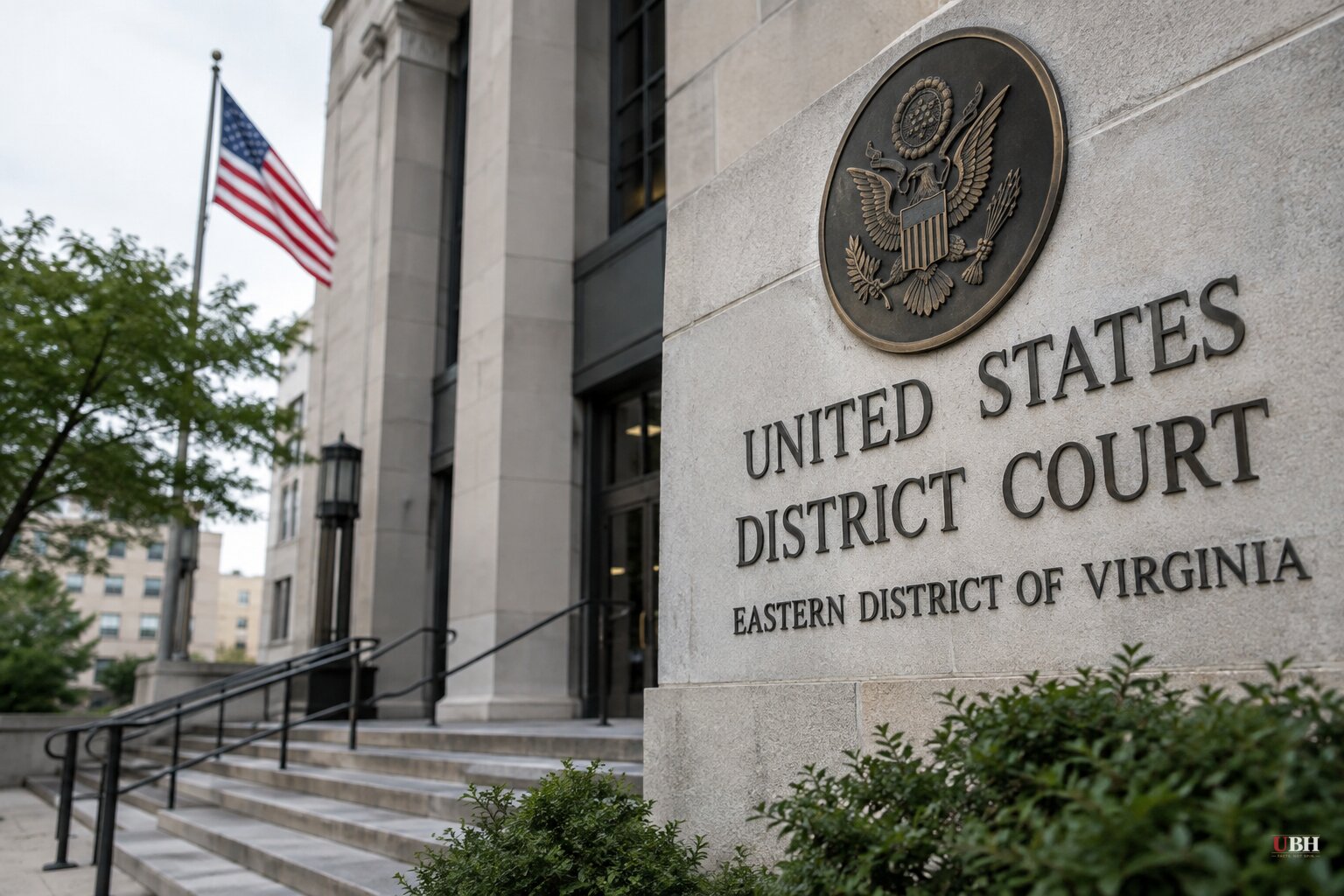
A federal judge in Alexandria, Virginia, isn't buying what the Justice Department is selling.
U.S. District Judge Leonie Brinkema held a hearing Friday on a lawsuit challenging the Trump administration's now-infamous $1.8 billion "anti-weaponization fund," a pot of taxpayer money set up to compensate Trump allies who say they were prosecuted for political reasons under the Biden administration. That includes anti-abortion protesters convicted under the FACE Act and, more controversially, some Jan. 6 Capitol rioters.
DOJ attorney Andrew Block told Brinkema the case is moot. Deputy Attorney General Todd Blanche formally terminated the fund on Aug. 2, Block argued, and that should be the end of it. "The mootness has been addressed at every stage," he said, according to the Associated Press.
Brinkema wasn't having it. "The issues that underlie this case are still alive and kicking, in my view," she said. Her reasoning: President Trump kept publicly backing the fund even after Blanche insisted it was dead. "They contradict themselves all the time," she said, per the AP account carried by NBC News, PBS, Yahoo News, U.S. News & World Report and MyNorthwest.
If Blanche says under oath the fund is finished, the president shouldn't be out there talking it back up. Pick one story and stick to it.
Brinkema didn't rule from the bench on the government's motion to dismiss. But she floated an idea: appointing an independent monitor to oversee payouts from the DOJ's Judgment Fund, the mechanism typically used to pay legal settlements with minimal transparency requirements. According to ABC News, Brinkema said such a monitor could provide "independent oversight and offer proper unbiased evaluation" of claims that Trump allies were actually victims of government weaponization. She also said the current DOJ operates in a "somewhat coerced" state, calling into question the department's independence since Watergate-era reforms. A characterization the DOJ did not concede in court.
The fund traces back to a $10 billion lawsuit Trump and his two eldest sons filed against the IRS and Treasury Department over the leak of his tax returns. According to Democracy Docket, U.S. District Judge Kathleen Williams in Florida ruled in July that the lawsuit was "improper" because Trump was effectively suing himself, calling it "non-adversarial, collusive, and jurisdictionally improper." She dismissed the case and referred Trump's personal attorney, Alejandro Brito, to the Florida Bar for potential sanctions, and sent her ruling to New York's bar association, where Blanche is a member and reportedly faces separate ethics complaints.
On Sept. 11, the department told Judge Williams it's appealing her dismissal to the 11th Circuit, according to Democracy Docket. If the fund is truly finished, why is the DOJ fighting in court to resurrect the very lawsuit that created it? That's a legitimate question Brinkema is right to ask, and one the department hasn't answered publicly.
The fund's rocky rollout wasn't a partisan invention of Trump's opponents. It was Republicans who forced the retreat. Blanche's confirmation as Deputy Attorney General nearly collapsed in August over the fund, and he only got the votes of two holdout GOP senators after issuing a written order killing it. That's the system working: elected Republicans balked at diverting taxpayer money to compensate people, including some who assaulted police officers on Jan. 6, and they used their leverage to stop it. Whatever one thinks of Trump's grievances about IRS leaks, using a slush fund funded by taxpayers to pay off political allies was never going to survive scrutiny from either party.
Democracy Forward, the legal group that sued in May on behalf of plaintiffs including a fired prosecutor, a college professor acquitted of assaulting federal agents, the watchdog group Common Cause, the city of New Haven, Connecticut, and the National Abortion Federation, argues the government will "most likely" revive the fund "either in its current iteration or a new one" if Brinkema's block is lifted, according to attorney Pooja Boisture's comments in court.
One detail largely absent from the wire coverage running across ABC, NBC, PBS, Yahoo and U.S. News: Democracy Docket reports that even if the fund itself is dead, the underlying settlement's provisions permanently shielding Trump, his family, and his businesses from IRS audits reportedly remain in place. That part of the deal hasn't been challenged in either court proceeding.
Brinkema gave no timeline for a written ruling on the motion to dismiss. The 11th Circuit appeal in Florida is just getting underway. Until one of those courts issues a final decision, taxpayers won't know whether this fund is actually buried or just paused.
Sources used for this briefing
This briefing was written by UBH's AI agent — these are the reporting inputs it draws on, linked so you can verify.


