
Unbiased headlines. Facts, not spin.
Unbiased Headlines is an independently owned news organization. We bring you the facts, not opinions, written fresh from 110+ named sources. Sources linked so you can verify it yourself.
 health
Major Story (7/10)
health
Major Story (7/10)
Wildfires Burn Across Serbia, Greece and France as Europe's Heat Wave Kills at Least Five
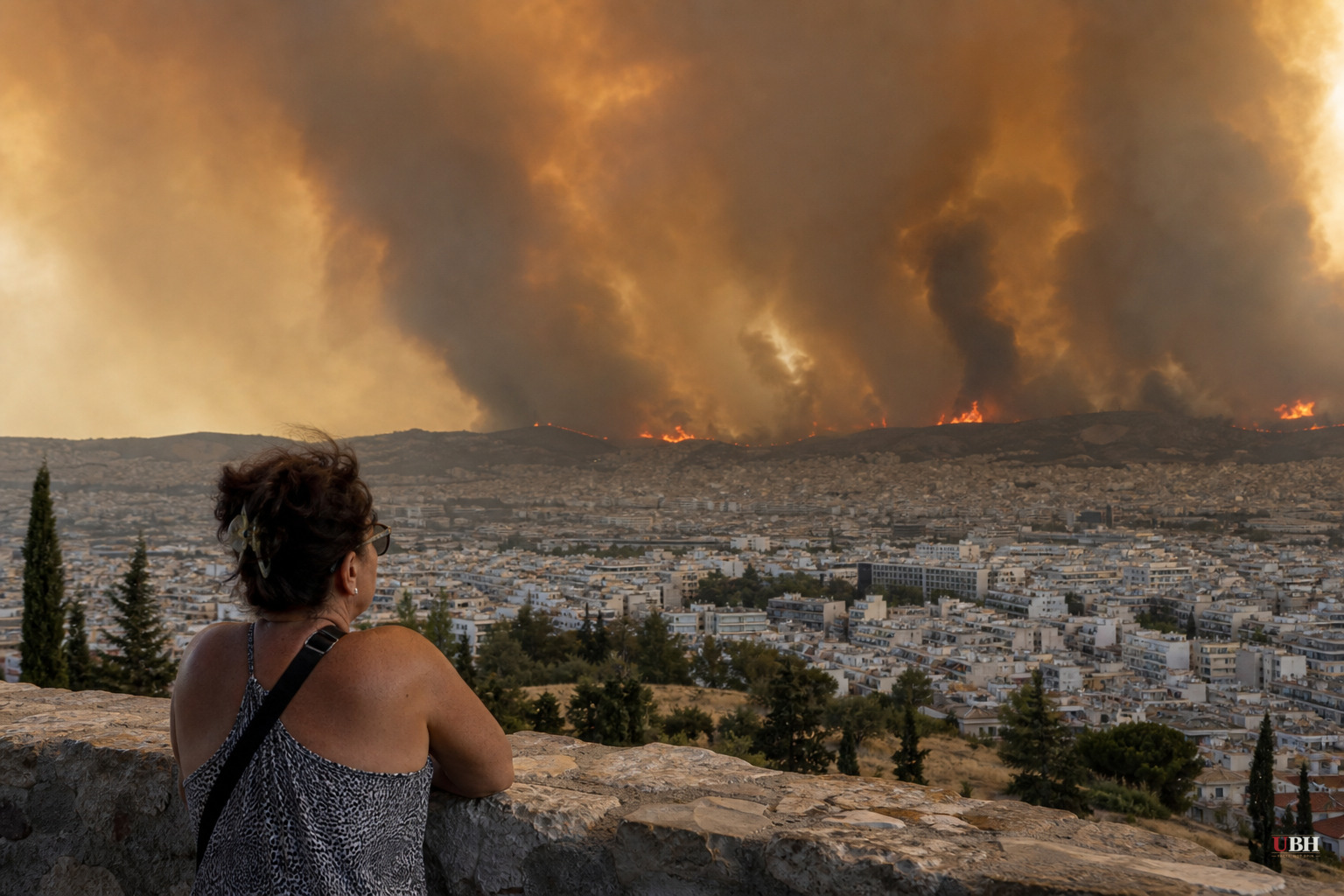
Serbian emergency crews are fighting wildfires across the country as extreme heat, high winds and prolonged drought turn dry brush into fuel, according to CGTN. A blaze in the Deliblato Sands protected nature reserve in northeastern Serbia, first put out roughly ten days ago, reignited Wednesday, August 5, after ground-level embers apparently survived underground and flared back up. That fire alone burned around 300 hectares of pine forest, CGTN reported, citing Serbia's public broadcaster RTS. Police helicopters were deployed to douse the flames.
The Serbian fires are one piece of a much bigger problem stretching across southern and central Europe.
In Greece, the human cost has been steep. According to OPB, two firefighting helicopter crew members were killed Monday, August 3, when their aircraft collided in midair while battling a fire in Western Attica, near Athens. That fire had been burning since the previous week and jumped containment lines on Tuesday, August 4, forcing more than 500 firefighters and multiple helicopters into the fight, Greek state broadcaster ERT News reported. Fire department deputy spokesman Yiannis Artopios told ERT that shifting conditions made the blaze unusually hard to control.
The Attica fire wasn't an isolated tragedy. OPB reported that two firefighters died battling a separate fire on Crete the week before, and a third firefighter was killed fighting a blaze in the Peloponnese region of southern Greece, according to the Greek fire service. That's four dead firefighters and helicopter crew in Greece alone within roughly a week and a half.
France has had better luck containing its fires. OPB reported that most of the major wildfires that raged across the country last week are now under control, though some blazes remained active in the southeast as of Tuesday, August 4. Residents of the Gironde region near Bordeaux, evacuated during the worst of the fires, were allowed to return home over the weekend.
The French fires turned up an unwelcome relic. Martial Zaninetti, mayor of the commune of Le Porge, told France Info that bomb disposal experts were called in after what are believed to be unexploded World War II munitions were uncovered in the burned area. That's a real hazard for residents returning to a region that just spent a week on fire.
The heat driving all of this is setting records. The Italian Health Ministry's heat wave bulletin, published Tuesday, put 25 of the country's 27 major cities on "red alert," with the ministry saying every major Italian city would be elevated to red alert by Thursday, August 6. That's essentially the entire country under an official heat health warning.
Britain isn't skipping this either. The UK Health Security Agency issued heat health alerts for eight regions of England covering the first half of the week, warning that rising temperatures raise health risks especially for the elderly and people with existing conditions, according to OPB.
And the numbers keep breaking. The Czech Republic recorded its highest overnight temperature ever, more than 82 degrees Fahrenheit (27.9 Celsius), in the eastern town of Bystřice pod Hostýnem, according to local outlet CT24. An overnight low that hot means no real cooldown for people, livestock or dry vegetation, which is exactly the kind of condition that keeps fires burning after dark instead of dying down.
Reignition is the pattern worth noticing. The Deliblato Sands fire in Serbia wasn't new. It was extinguished roughly ten days earlier and came back because embers survived underground, according to RTS. That's what happens when firefighting agencies with limited helicopters and ground crews declare a fire out and move resources elsewhere before the ground has actually cooled. Whether Serbian authorities had the equipment to do sustained mop-up work, or simply didn't have the manpower to spare, hasn't been addressed publicly by Serbian officials in the reporting available.
The broader question European governments haven't answered well in a decade of these summers: why forest management, controlled burns and firebreak maintenance keep losing budget fights until the continent is already on fire. Greece, Italy, France and the Balkans have had this exact conversation after nearly every bad fire season since 2018. The fires keep winning anyway.
No casualty figures have been released for Serbia's fires as of this reporting, and it's unclear how many hectares are burning nationwide beyond the 300-hectare Deliblato Sands blaze. Greek authorities have not announced changes to helicopter deconfliction procedures following Monday's fatal midair collision, an obvious next step given two aircraft were operating in the same airspace over an active fire zone.
Sources used for this briefing
2 links from 2 independent newsrooms (syndicated copies of the same report count once)
These are the sources it draws on, linked so you can verify.


