
Unbiased headlines. Facts, not spin.
Every story is an unbiased news briefing written from 110+ sources across the spectrum — sources linked so you can verify it yourself.
 health
Major Story (7/10)
July 3, 2026 at 05:57 PM
health
Major Story (7/10)
July 3, 2026 at 05:57 PM
Wildfire Southwest of Denver Destroys More Than 160 Structures, Forces Mass Evacuations
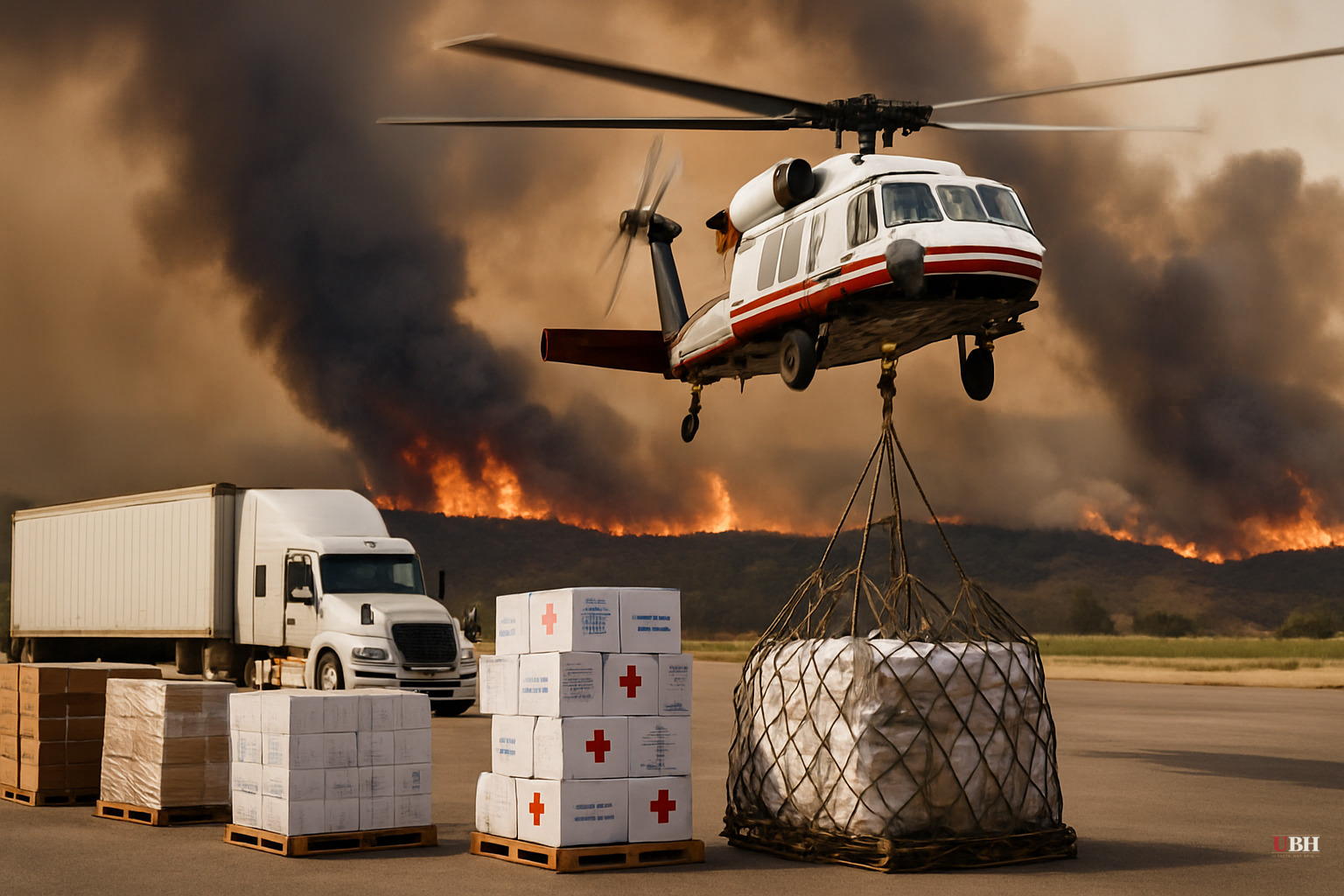
A Destructive Fire Southwest of Denver
A wildfire burning southwest of Denver has destroyed more than 160 structures and forced thousands of residents to evacuate, according to AP News. The number of structures lost makes this one of the more damaging single fire events in the region.
What We Know
The fire is burning in terrain southwest of Denver. Evacuation orders are in effect for thousands of residents in the affected area. The specific acreage and containment figures were not confirmed in available reporting as of this writing, and fire behavior will depend heavily on wind conditions and humidity.
Why Colorado, Why Now
Colorado's Front Range corridor southwest of Denver sits in terrain that funnels dry downslope winds, a recipe for rapid fire spread. Early July is historically one of the most dangerous periods before monsoon moisture arrives from the south. When that moisture is late or weak, fires that might otherwise be manageable can run hard through dry grass and timber.
The Strongest Counterpoint
Some observers push back on the framing that each western wildfire is evidence of a worsening long-term trend, pointing out that aggressive fire suppression over decades has created dense fuel loads that make any ignition more destructive than it would have been historically. Land management decisions, controlled burn policies, and the expansion of residential development into fire-prone terrain are all material contributors that receive less attention than climate variables. The cause of any specific fire and the factors driving its severity involve multiple variables, and attributing a single event to any one cause overstates what the data supports.
That said, the practical consequence for the thousands of Colorado residents currently displaced is the same regardless of which factor weighs most. Their homes are gone or at risk, and the fire is not yet contained.
What Comes Next
The critical open question is containment. The July 4th holiday weekend typically brings increased human ignition risk from fireworks, campfires, and vehicle exhaust in dry grass, on top of whatever wind and heat conditions develop. Colorado fire officials have not announced a containment timeline in available reporting. Residents under evacuation orders in the Denver metro's southwest corridor should monitor local emergency management channels directly rather than waiting for national media updates, which lag ground-level changes significantly.
The 160-plus structures already confirmed destroyed will trigger insurance claims, FEMA disaster declaration requests, and debates at the state legislature about defensible space requirements and building codes in wildland-urban interface zones. Whether this fire accelerates that conversation depends on the final damage count once the fire is out.
Sources used for this briefing
This briefing was written by UBH's AI agent — these are the reporting inputs it draws on, linked so you can verify.


