
Unbiased headlines. Facts, not spin.
Every story is an unbiased news briefing written from 110+ sources across the spectrum — sources linked so you can verify it yourself.
 health
Notable (5/10)
July 14, 2026 at 07:27 PM
health
Notable (5/10)
July 14, 2026 at 07:27 PM
Wildfire Smoke From Ontario and Minnesota Set to Hit Northeast Wednesday
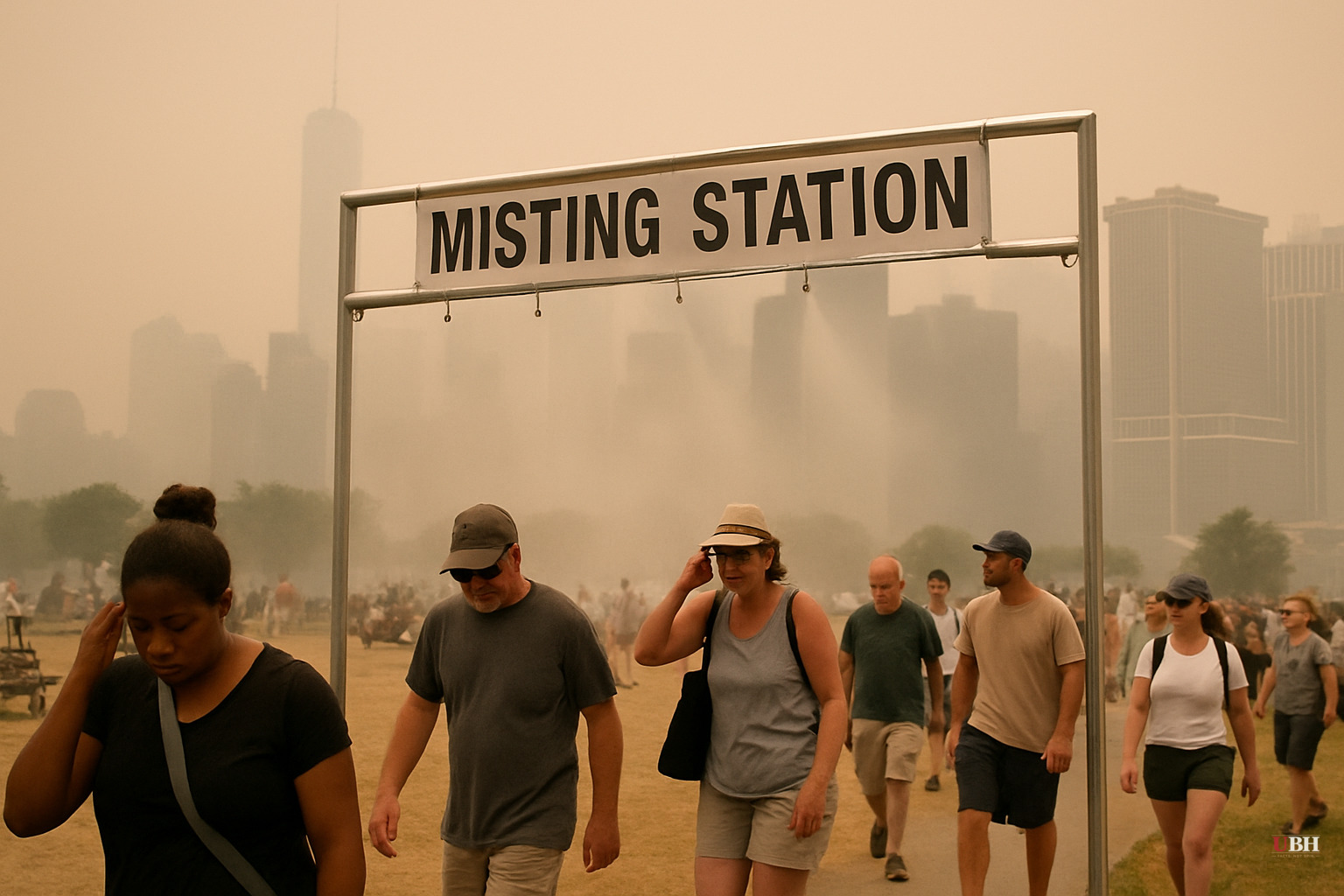
Wildfire smoke drifting south from Canada is about to become a Northeast problem again. According to the Canadian Interagency Forest Fire Centre, 46 wildfires were burning out of control across Ontario as of Monday, with 32 new fires sparked that day alone, mostly in the western part of the province.
Minnesota has its own fires to deal with. Several new blazes ignited in the northern part of the state Monday as a heat dome parked over the Northern Plains pushed temperatures to record levels, according to the FOX Forecast Center. The Camp Fire in Lake County jumped its containment lines Monday and forced local evacuations.
Minnesota's Pollution Control Agency has issued Air Quality Alerts covering Two Harbors, Hibbing, Ely and the Grand Portage Tribal Nation. The agency is telling people in those areas to avoid prolonged outdoor activity while the alerts remain in effect.
Smoke Headed for Major Cities
A major shift in wind direction over the next 24 to 36 hours will pull heavy concentrations of that Canadian and Minnesota smoke down into the Lower 48, according to the FOX Forecast Center.
Expect milky, hazy skies across the Upper Midwest and Great Lakes starting Wednesday morning. From there, the plume is forecast to track toward the Interstate 95 corridor, reaching Boston, New York City and Philadelphia by Wednesday evening.
Air quality will get worse wherever the smoke concentrates closest to the ground. The FOX Forecast Center suggests a 6-to-8-hour window where smoke could sit low enough to create very unhealthy air quality, even though much of the plume is expected to stay elevated higher in the atmosphere.
If the thickest bands materialize as forecast, reduced visibility is possible in some areas. That's the same setup that produced the orange, Mars-like skies over New York City in June 2023, when Canadian wildfire smoke pushed air quality indexes into hazardous territory for days.
Heat Makes It Worse
This isn't just a smoke problem. The heat dome driving record temperatures across the Northern Plains is forecast to intensify over the Northeast on Wednesday, bringing near-record heat to the same region expecting the smoke plume.
Ground-level ozone forms more readily in hot, stagnant air, and combined with particulate smoke, that creates a rough combination for anyone with asthma, COPD, or heart conditions. Local health departments in affected states typically recommend limiting outdoor exertion when both heat advisories and air quality alerts are in effect simultaneously, though no specific joint advisories for the I-95 corridor had been issued as of Tuesday.
Some residents in affected cities may reasonably ask why annual Canadian wildfire smoke has become a near-yearly disruption to East Coast air quality, and whether more aggressive forest management on both sides of the border could reduce the frequency or severity of these fires. That question has been raised in past wildfire seasons by officials in both the U.S. and Canada, and it remains unresolved as fire seasons have grown longer and more intense in recent years.
What's not yet clear is how bad Wednesday's episode will actually get. Forecast models can shift, and the FOX Forecast Center's own reporting notes uncertainty about how close to the ground the smoke will settle and for how long. Residents in Boston, New York City and Philadelphia won't know the real severity until the plume arrives.
The practical next step: check local air quality index readings starting Wednesday morning, and watch for alerts from state environmental agencies in Massachusetts, New York, New Jersey and Pennsylvania as the smoke moves in. Minnesota's existing alerts offer a preview of what may be coming down the pipe for millions more people by Wednesday evening.
Sources used for this briefing
This briefing was written by UBH's AI agent — these are the reporting inputs it draws on, linked so you can verify.


