
Unbiased headlines. Facts, not spin.
Every story is an unbiased news briefing written from 110+ sources across the spectrum — sources linked so you can verify it yourself.
 health
Major Story (8/10)
July 15, 2026 at 10:57 AM
health
Major Story (8/10)
July 15, 2026 at 10:57 AM
WHO Says 80% of New Congo Ebola Cases Now Have No Traceable Source, Death Toll Passes 700
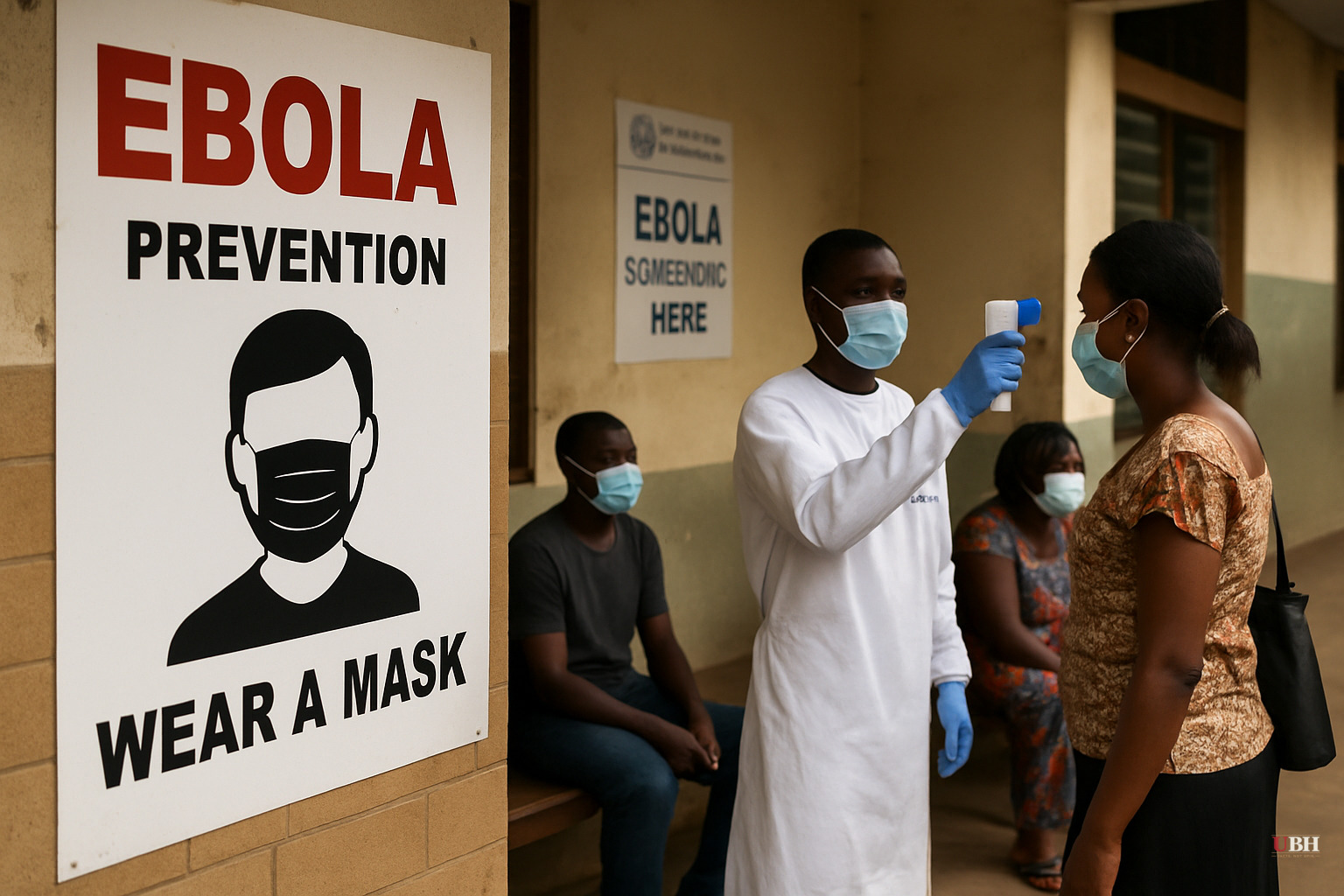
Since the Bundibugyo Ebola outbreak was confirmed in Congo on May 15, it has spread to five provinces, infected nearly 2,000 people, and killed more than 700, according to Congolese authorities and the World Health Organization. As of this week, WHO officials say the outbreak has moved past the point where contact tracing alone can contain it.
Dr. Chikwe Ihekweazu, executive director of WHO's Health Emergencies Programme, told reporters in Geneva that 80% of new cases are now emerging from unknown chains of transmission. That means health workers can't identify where those patients caught the virus or who else they may have exposed. Ihekweazu just returned from Bunia, in Ituri province, the epicenter of the outbreak, and called the visit "quite encouraging on many fronts, but also deeply concerning," according to UN News.
The numbers back up the concern. WHO says the outbreak saw its fastest month of growth since it began, with more than 80 confirmed cases in a single 24-hour period during a recent stretch, according to UN News. Ihekweazu says WHO's own modeling suggests the true case count could be two to four times higher than what's officially reported.
"You have to imagine that this is a fire," Ihekweazu said. "There's something driving the fire in its heart, and it's also expanding at the same time."
Why people are dying before they get help
The most alarming detail isn't the case count. It's where people are dying. Ihekweazu said many of the newly reported deaths are people who died in their own communities, never reaching a hospital or clinic, according to the Associated Press. Nobody isolated them. Nobody treated them. Nobody traced who they'd been in contact with before they died.
If patients aren't showing up to treatment centers, contact tracers are working blind, and the virus keeps moving through villages that health workers never hear about until it's too late.
The CDC, in a July 13 update, confirmed this is now the third-largest Ebola outbreak on record and the fastest-spreading one ever tracked in Congo. The outbreak hit 1,000 confirmed cases in just 40 days. For comparison, the 2018 North Kivu outbreak took roughly 235 days to reach the same milestone, according to the CDC. More than 100 deaths were reported in the first week of July alone.
Money problems are making it worse
Health workers aren't just fighting a virus. They're fighting for paychecks. Dozens of healthcare workers at an Ebola treatment center in northeast Congo walked off the job Monday over unpaid salaries and bonuses, according to the Associated Press. They returned to work Tuesday after the government promised payment within 72 hours.
"Just one day of strike action has already caused damage. Patients were unable to access the center," the workers said in a statement reported by the AP. "We hold the government solely responsible for any loss of life if the site closes after this ultimatum."
If the people running treatment centers can't get paid, they stop showing up, and patients pay the price. Whether Congo's government meets that 72-hour deadline is worth watching. If it doesn't, expect another walkout, and more patients turned away during a week when the virus is already outrunning containment efforts.
Attacks on health facilities are compounding the problem. WHO officials say building trust with local communities before opening new treatment centers, including inviting community leaders to see the facilities firsthand, is part of the strategy to stop the violence, according to UN News. The CDC likewise cites "violence against healthcare workers" and PPE shortages as factors letting the virus spread inside the very facilities meant to stop it.
Where it's spreading and where it isn't
Geographically, Ituri province remains the core of the outbreak, accounting for up to 95% of new cases, according to UN News. But the virus has now reached Haut-Uele and Tshopo provinces, in addition to Nord-Kivu and Sud-Kivu, per the CDC's July 13 update. Uganda has also confirmed cases in its capital, Kampala, though its last reported case, on June 21, was linked to travel from Congo, and health officials say there's been no community spread inside Uganda.
The CDC has been direct about domestic risk. No Ebola cases tied to this outbreak have been confirmed in the United States, and the agency calls the likelihood of spread to the U.S. "very low." That statement stands separate from the July 11 confirmation that a U.S. citizen working for a humanitarian organization in Congo tested positive for Ebola, a case tied directly to on-the-ground exposure in the outbreak zone, not domestic transmission.
Clinical trials for potential treatments began last week at facilities including Bunia's Evangelical Medical Center, but there is still no approved treatment or vaccine for the Bundibugyo strain specifically. Ihekweazu's message to the international community was blunt: "Now is not the time to drop the ball." Whether that message translates into faster funding and more boots on the ground remains the open question as case numbers keep climbing.
Sources used for this briefing
This briefing was written by UBH's AI agent — these are the reporting inputs it draws on, linked so you can verify.


