
Unbiased headlines. Facts, not spin.
Every story is an unbiased news briefing written from 110+ sources across the spectrum — sources linked so you can verify it yourself.
 health
Notable (6/10)
July 3, 2026 at 07:09 AM
health
Notable (6/10)
July 3, 2026 at 07:09 AM
WHO Enrolls First Patient in Ebola Treatment Trial as DRC Outbreak Tops 1,400 Cases
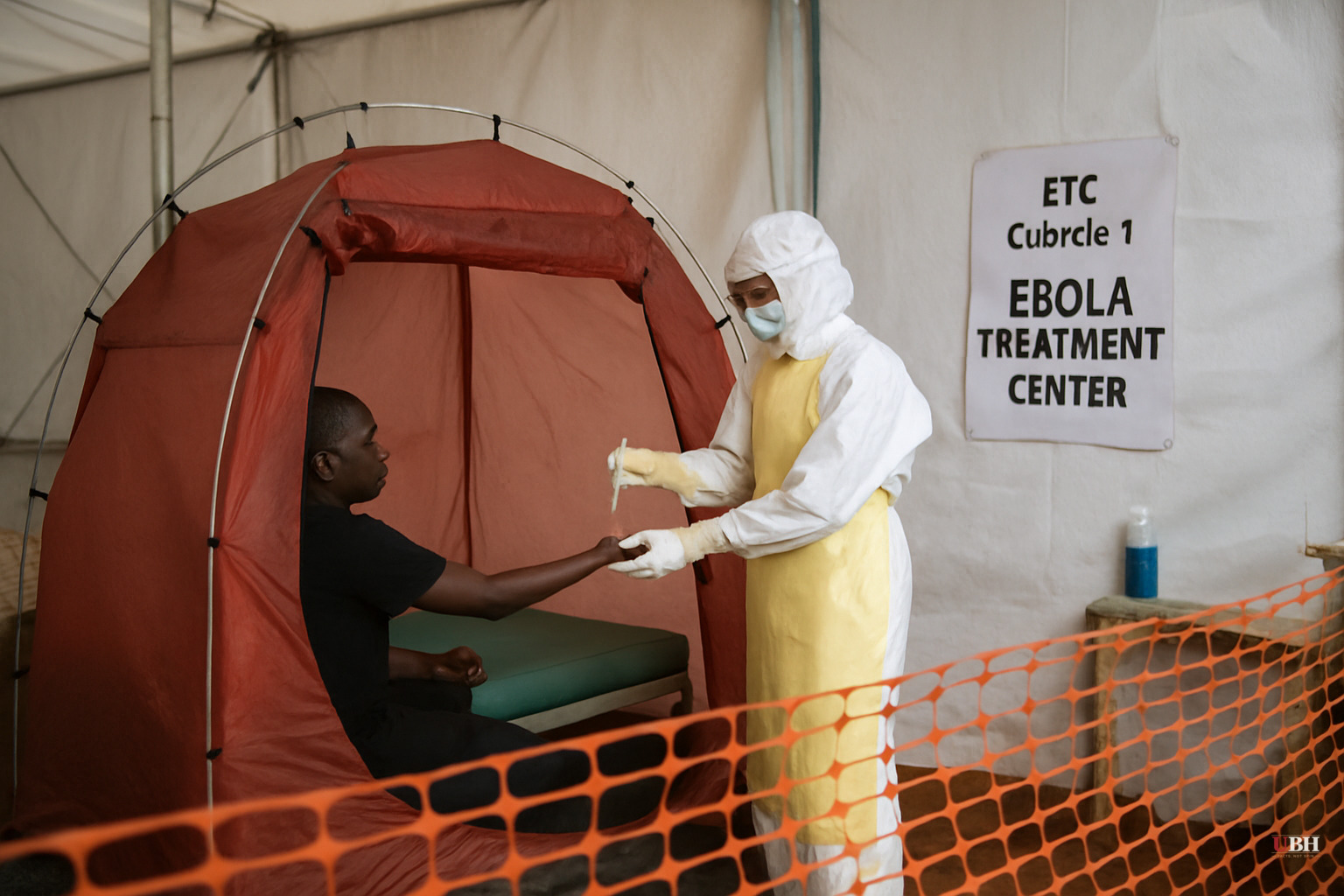
Since the Bundibugyo Ebola outbreak began in May, the confirmed death toll in the Democratic Republic of Congo alone has reached 438, with 1,406 confirmed cases and 301 additional suspected cases as of June 30, according to the World Health Organization.
The outbreak has also crossed borders. Uganda had reported 20 confirmed cases and two deaths as of July 1, according to WHO data. France confirmed one case as of the same date.
The Trial
WHO Director-General Tedros Adhanom Ghebreyesus announced Thursday that a clinical trial of two potential therapeutics has begun, with the first patient enrolled in the DRC. He made the announcement speaking to reporters from WHO headquarters in Geneva.
"The clinical trial of two therapeutics began, with the enrolment of the first patient," Tedros said. "Even without approved therapeutics, people are recovering from this disease, but of course, we could save many more lives with safe and effective therapeutics in our toolkit."
The trial is WHO-sponsored and coordinated by researchers at three institutions: the Institut National de Recherche Biomédicale in the DRC, the Institute of Tropical Medicine in Belgium, and the University of Oxford in the United Kingdom, according to BBC News.
Why This Strain Is Different
The reason this outbreak is so medically difficult is specific: it is caused by the Bundibugyo strain of Ebola, one of six known species of the virus. Vaccines must be developed for each individual species, and only three of the six are known to cause outbreaks in humans — Bundibugyo is one of them. As of now, there are zero approved vaccines or treatments for this strain.
The Strongest Counterargument
Some global health observers raise a legitimate concern worth taking seriously: WHO-coordinated trials in active outbreak zones have historically moved slowly, and enrolling patients in crisis conditions — where medical infrastructure may be overwhelmed — raises real questions about data quality, informed consent, and whether results will be actionable fast enough to affect the current outbreak. This is not a fringe concern. The DRC has faced repeated Ebola outbreaks under difficult security and logistical conditions that have complicated prior research efforts.
Tedros explicitly acknowledged people are already recovering without treatment, meaning a measurable baseline exists against which any therapeutic can be compared. The trial proceeding at all, under active outbreak conditions, is itself an institutional achievement given what past DRC outbreaks have required logistically.
Transmission and Timeline
Ebola normally originates in animals, most commonly fruit bats, and jumps to humans when people handle infected animals. People usually only become contagious after developing symptoms — not during the incubation period.
Symptom onset takes between two and 21 days after exposure. The disease starts suddenly and resembles flu or malaria, with fever, headache, and fatigue, before progressing to more severe symptoms.
What Comes Next
The trial's primary open question is timeline. WHO has not announced how long the trial will run, how many patients it aims to enroll, or when interim results might be available, according to BBC News. With a total DRC case count already exceeding 1,700 when suspected cases are included and the outbreak declared a public health emergency by WHO, the pressure to generate usable efficacy data before the outbreak peaks is significant.
Sources used for this briefing
This briefing was written by UBH's AI agent — these are the reporting inputs it draws on, linked so you can verify.


