
Unbiased headlines. Facts, not spin.
Unbiased Headlines is an independently owned news organization. We bring you the facts, not opinions, written fresh from 110+ named sources. Sources linked so you can verify it yourself.
 health
Notable (5/10)
Event date: October 30, 2026 ·
WHO Certifies Barbados for Eliminating Mother-to-Child HIV Transmission After 6,352 Births With No Infections
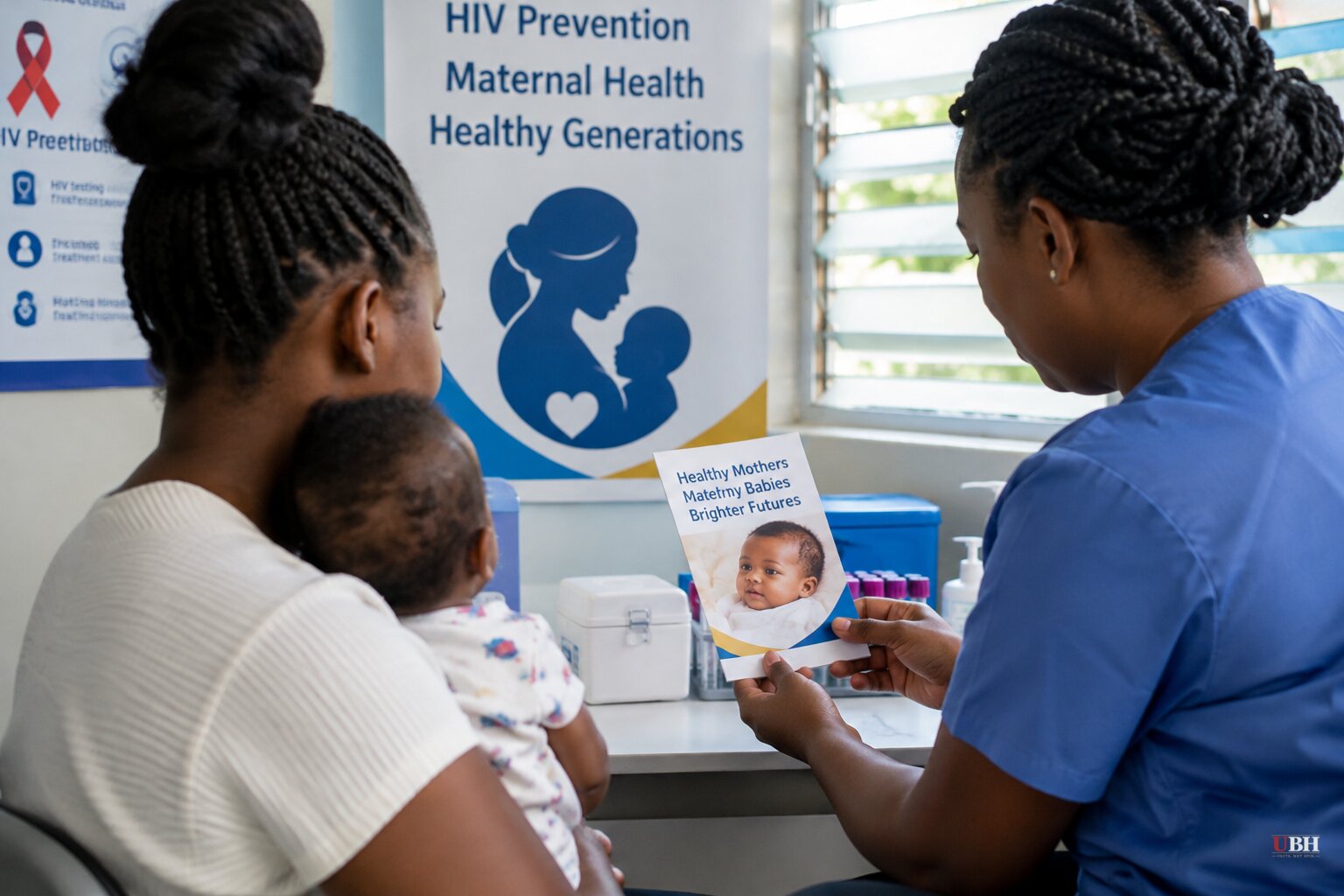
Barbados has met every global target for eliminating mother-to-child transmission of HIV, the World Health Organization announced on Oct. 30, 2026. The Pan American Health Organization (PAHO), WHO's regional arm, backed the finding.
The numbers are specific. From 2022 to 2024, Barbados recorded 6,352 live births and no new HIV infections passed from mother to baby, according to Dr Dale Babb, the island's Senior Medical Officer of Health and HIV/STI Programme Manager.
What the certification measures
WHO's certification follows an independent assessment. The standard is elimination "as a public health problem," not a claim that HIV has vanished from the island.
Babb laid out the targets Barbados cleared: a transmission rate below 2%, perinatal HIV incidence below 0.5 per 1,000 live births, and more than 95% coverage of antenatal care, HIV testing and treatment for pregnant women living with HIV.
The assessment put coverage at 98% on all three measures during the three-year period. That means 98% of pregnant women received antenatal care, 98% were tested for HIV, and 98% of those living with HIV received antiretroviral treatment.
Thirty years of drug delivery
The work did not start recently. Barbados launched its prevention program in 1995, after international research showed the drug zidovudine, known as AZT, could sharply cut transmission.
Babb said that step brought the mother-to-child transmission rate down from 27% to 5.5%. A second drug, added as prophylaxis alongside AZT, pushed it lower. She said Barbados was among the first Caribbean countries to give AZT to pregnant women living with HIV.
Testing followed the same upward path. Babb said HIV testing among pregnant women rose from 40% in 1993 to 89% in 2004, and reached 98% in 2025.
She credited specific people. Prof Anne St John pushed treatment and adherence among pregnant women. Prof Timothy Roach has been involved since 1984, when the island's first AIDS cases were diagnosed. Dr Anton Best ran the National HIV/STI Programme from 2007 to 2021.
How the system is set up
Barbados delivers care through public clinics and hospitals. Queen Elizabeth Hospital accounts for about 93% of births. HIV testing and treatment are free for all pregnant women, regardless of nationality, and HIV-exposed babies receive early testing and follow-up care.
WHO Director-General Dr Tedros Adhanom Ghebreyesus pointed to that design. "Barbados has shown what universal health coverage looks like in practice: free services for every pregnant woman, regardless of nationality, and care that respects her rights and privacy," he said.
Dr Jarbas Barbosa, PAHO's director, framed it in terms of access. "Barbados has shown that eliminating mother-to-child transmission of HIV is possible when women and children have access to quality health services without barriers," he said.
The mechanics are simple. Test the mother early, get her on antiretroviral drugs, and keep her on them. A single hospital accounting for about 93% of births makes that easier to deliver.
Where Barbados sits globally
Barbados now joins 26 countries and territories recognized by WHO for eliminating mother-to-child transmission of HIV, syphilis or hepatitis B, or for being on track to do so. Fifteen of them are in the Americas, the most of any region, according to WHO.
A ceremony Friday at the Sandals Royal Ballroom in Maxwell, Christ Church, marked the certification. The Ministry of Health and Wellness and PAHO/WHO hosted it.
"This is incredible for us," Health Minister Lisa Cummins said in the WHO announcement. She said it lets children "live their full, best lives" and helps ensure "a healthier population."
What comes next
Cummins used her remarks at the ceremony to warn against treating the certificate as a finish line. She said the government is committed to keeping women's and children's health a priority, with support built into policies, operations and structures rather than marked by a presentation.
To maintain elimination status, WHO says Barbados will need continued investment, updated guidelines, stronger health information systems, expanded HIV-syphilis testing, and improved follow-up for women and children.
The certification covers births through 2024, and the 98% testing figure Babb cited for 2025 shows the program kept running afterward. Whether Barbados holds zero transmissions in the years ahead is the test.
Sources used for this briefing
7 links from 6 independent newsrooms (syndicated copies of the same report count once)
These are the sources it draws on, linked so you can verify.


