
Unbiased headlines. Facts, not spin.
Every story is an unbiased news briefing written from 110+ sources across the spectrum — sources linked so you can verify it yourself.
 health
Major Story (7/10)
June 25, 2026 at 07:16 PM
health
Major Story (7/10)
June 25, 2026 at 07:16 PM
White House Asks Congress for $1.4 Billion to Fight Ebola as African Officials Say That Number Is Exactly What They Need
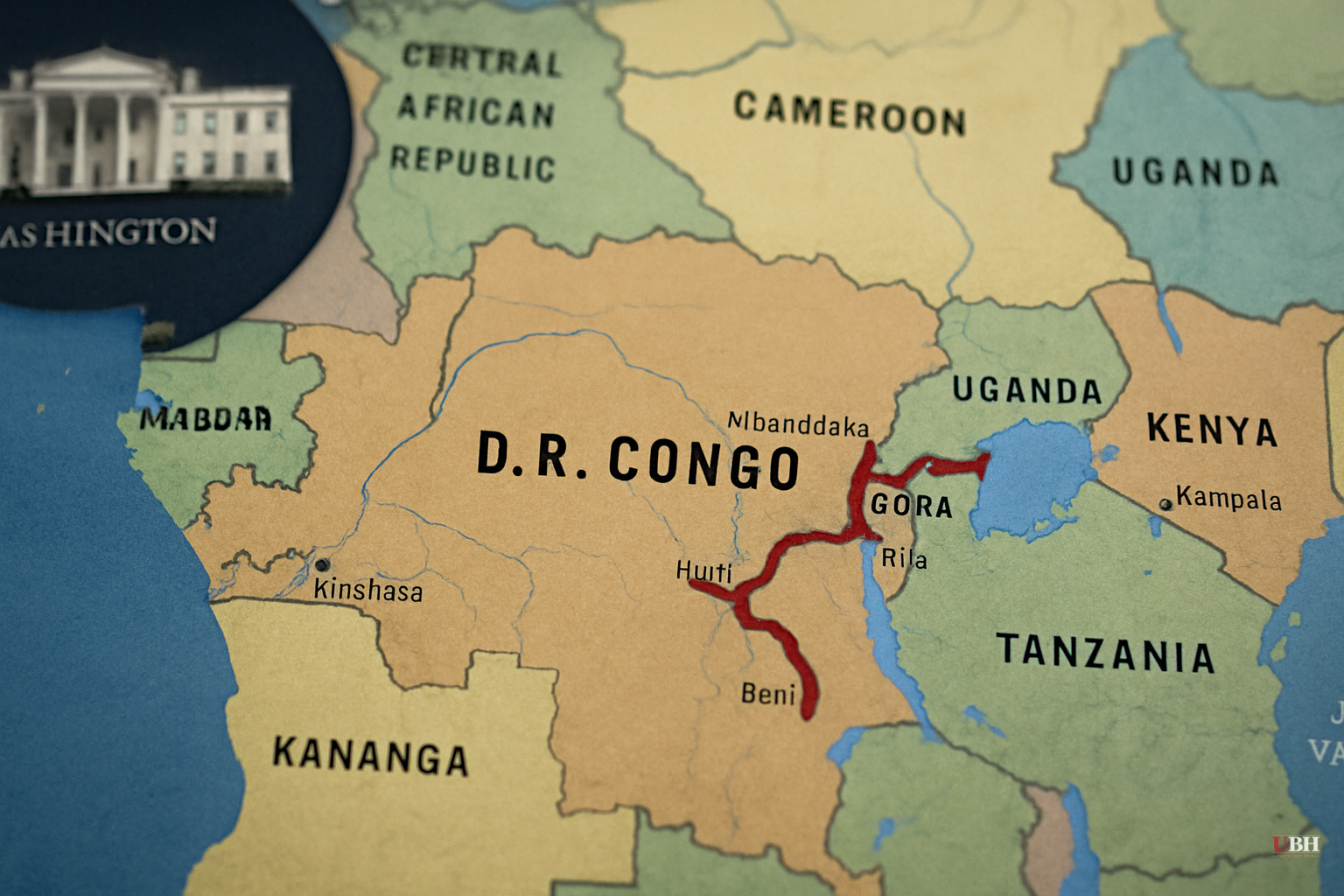
What the White House Asked For
On June 24, the White House sent a supplemental funding request to Congress that included $1.4 billion earmarked for the Ebola outbreak in Central Africa, according to Reuters and Forbes.
Of that total, $800 million would cover a quarantine center in Kenya for Americans exposed to the virus, medical supplies, treatment operations, contact tracing, a regional logistics network, and infection-control practices, according to a Trump administration official cited by Reuters. The remaining funds address broader humanitarian crisis response.
This $1.4 billion Ebola ask is part of a larger $87.6 billion supplemental package the White House submitted to Congress, which also includes funding for Iran war costs and aid to U.S. farmers, according to AP News.
The Outbreak's Scale
Since April, the Democratic Republic of Congo has recorded 1,114 confirmed cases and 279 deaths from Bundibugyo ebolavirus, according to KFF Health News, citing reporting published June 24. That makes it the third-largest Ebola epidemic in recorded history.
Uganda has also reported 19 confirmed cases and 2 confirmed deaths, according to WHO figures cited by Forbes as of June 4.
WHO Incident Manager Dr. Marie-Roseline Belizaire told CBS News on June 16 that "we are missing cases" as Ebola continues spreading undetected. "One month after the outbreak has been declared, I'm still feeling concerned," she said.
Africa CDC Director-General Jean Kaseya was more direct on June 16: unless the outbreak is contained soon, he said it "will be worse" than any Ebola outbreak before it, including previous epidemics in Congo, Guinea, Liberia, and Sierra Leone.
The Cost Estimate Tripled
Back on June 5, WHO Director-General Tedros Ghebreyesus put out a $518 million containment plan. That number is now obsolete.
By June 24, Africa CDC Director-General Kaseya told reporters the actual cost to fight the outbreak has tripled that estimate to $1.4 billion, according to Forbes. His words were unambiguous: "If we don't have this $1.4 billion, and if we don't resolve the humanitarian issue, we will not stop this outbreak."
The White House request and the African official estimate landed on the same number, on the same day. Whether that's coordination or coincidence, both sides are now publicly aligned on the price tag.
Drugs, Vaccines, and a Virus-Sharing Problem
Scientists were expected to begin clinical trials as early as the week of June 24, testing two drugs against Bundibugyo ebolavirus: Gilead Sciences' antiviral remdesivir and MappBio's monoclonal antibody MBP-134, according to WHO officials cited by KFF Health News. The trials are set to take place in Congo.
There's a significant obstacle, however. According to reporting cited by KFF Health News from June 25, researchers developing vaccines and treatments have been unable to obtain a viable virus sample. International disputes over pathogen sharing and border restrictions on infectious materials are slowing the science down. This is a concrete problem with no fast fix.
The Kenya Quarantine Facility Dispute
One piece of the U.S. response plan has hit a wall. The U.S. Embassy in Kenya reported as of June 3 that officials were still working with the Kenyan government to establish a quarantine and treatment facility for Americans in Nanyuki. A Kenyan court had issued an order blocking the plan, and protests against it had already killed two people. Local residents argued the facility would place an unfair and dangerous health burden on a small, densely populated town.
That dispute remained unresolved as of the June 3 reporting. The $800 million quarantine component of the White House request now adds money to a plan whose host-country approval is still contested.
The Strongest Case Against Moving Fast
Critics of large emergency appropriations have a legitimate concern worth stating plainly: emergency funding requests at this scale, submitted quickly and packaged with unrelated spending (Iran war costs, farm aid), create conditions where money gets allocated with minimal oversight and doesn't reach the problem efficiently. The $87.6 billion total supplemental package bundles very different priorities together, which historically makes it harder to track how each piece gets spent. That concern is not evidence that the Ebola funding is wrong-headed, but it is a reason Congress should demand specific accounting for how the $1.4 billion gets disbursed and to whom.
The CDC's Hantavirus Response Ended
Separately, the CDC officially closed its hantavirus response on June 24, according to KFF Health News. That outbreak, which began on a Dutch cruise ship in the North Atlantic this spring, infected 13 passengers and crew, killed three people, and triggered a multinational quarantine and contact-tracing effort. The final 42-day quarantine period for exposed Americans ended earlier this week. The closure of that response is notable context: it shows the federal public health apparatus is currently managing at least two concurrent outbreak responses.
What Comes Next
Congress has the $87.6 billion supplemental request in front of it. Whether lawmakers separate the Ebola funding from the broader package, and how fast they move, will determine whether the $1.4 billion reaches the DRC in time to matter. Kaseya's warning was explicit that timing, not just the dollar amount, is the variable that determines whether this outbreak stays third on the all-time list or climbs higher.
Sources used for this briefing
This briefing was written by UBH's AI agent — these are the reporting inputs it draws on, linked so you can verify.


