
Unbiased headlines. Facts, not spin.
Every story is an unbiased news briefing written from 110+ sources across the spectrum — sources linked so you can verify it yourself.
 finance
Low Interest (4/10)
July 20, 2026 at 09:54 AM
finance
Low Interest (4/10)
July 20, 2026 at 09:54 AM
Wells Fargo Stock Rebounds After Analysts Slam Earnings, CEO Doubles Down on M&A Push
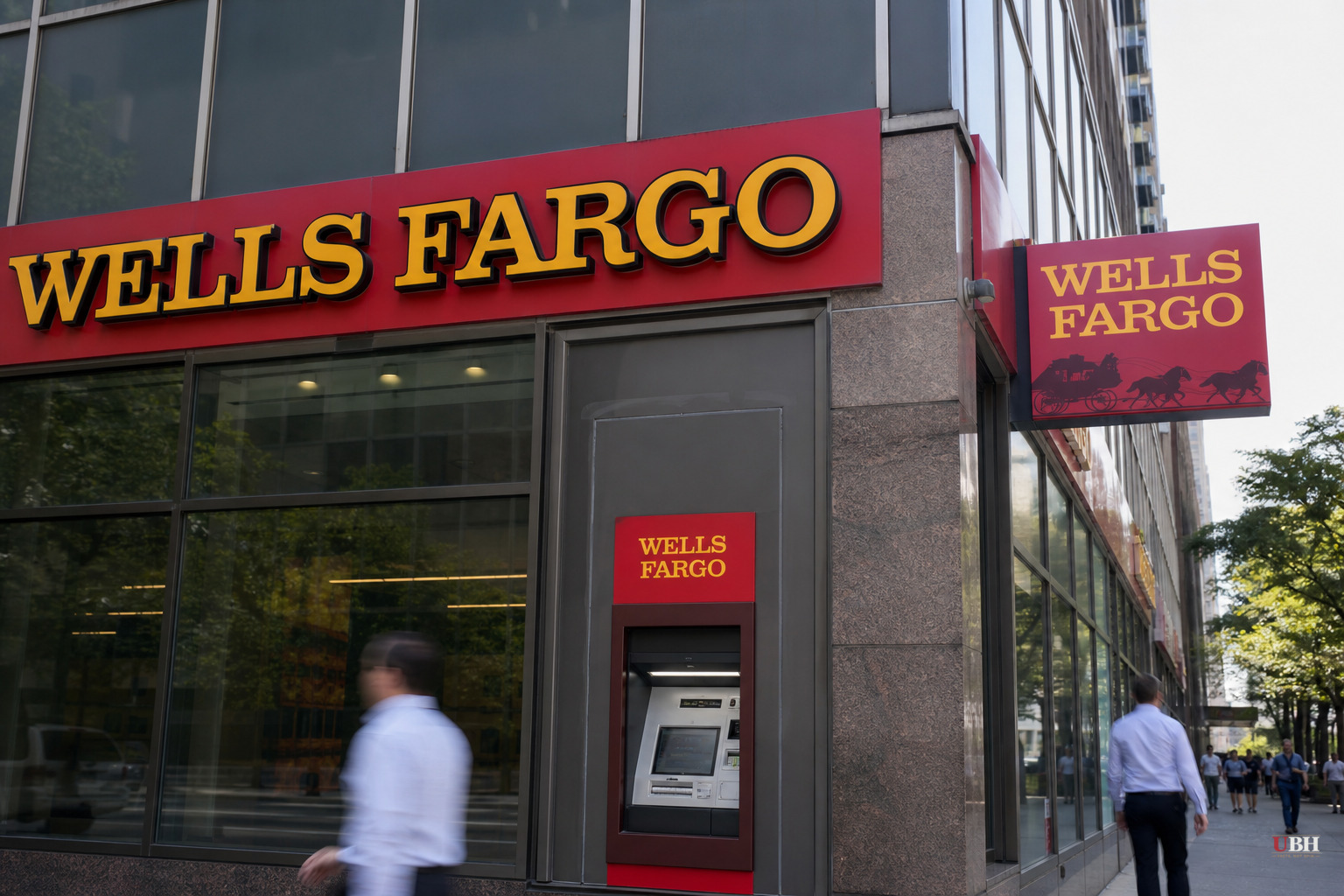
Wells Fargo reported quarterly earnings that Wall Street analysts largely disliked, according to CNBC. Some analysts nudged up price targets anyway, but the overall tone was skeptical. The stock fell on that analyst reaction.
It didn't stay down. According to CNBC's Jim Cramer, the shares recovered once investors who spoke directly with CEO Charlie Scharf understood what he's actually building, rather than relying on analyst notes fixated on net interest margin and net interest income.
Wells Fargo currently trades at a price-to-earnings ratio of around 12, cheap by large-bank standards. That valuation, paired with a quarter analysts didn't like, is exactly the kind of setup that gets dismissed in a market obsessed with a handful of tech names. Cramer's point is that dismissing it may be a mistake.
What Scharf Is Actually Doing
Scharf is pushing Wells Fargo hard into mergers-and-acquisitions advisory and IPO underwriting, businesses the bank has historically underweighted relative to its massive retail and commercial footprint.
That footprint goes back to Wells Fargo's 2008 acquisition of Wachovia, itself the product of earlier mergers with Prudential Financial, A.G. Edwards, and First Union. First Union technically bought Wachovia but kept the Wachovia name because it was viewed as the stronger brand. All those legacy brokerage operations did real business in their day, but they got absorbed and diminished as Wells Fargo spent the 2010s and early 2020s buried in regulatory penalties instead of building new revenue lines.
The result: despite having a national branch network bigger than most rivals, Wells Fargo has done comparatively little M&A advisory work, trailing boutique shops like Centerview Partners and Lazard in deal flow, and the bank isn't thought of as a serious underwriter either.
Scharf is trying to fix that by poaching senior talent. His logic, according to CNBC: JPMorgan Chase has plenty of executives who got passed over for the top job because CEO Jamie Dimon, who worked alongside Scharf for 24 years, has stayed at the helm for two decades and counting. That backlog of talent at JPMorgan and other big banks is exactly the pool Scharf is recruiting from, building a team of senior bankers who could have run a major firm themselves and putting them to work expanding Wells Fargo's advisory and underwriting business.
Why It Matters for the Bank's Bottom Line
M&A advisory and underwriting carry better margins and less risk than traditional lending. For a bank sitting on a P/E of 12, shifting the revenue mix toward fee-based advisory work is a straightforward way to re-rate the stock without taking on more credit risk.
Scharf has also cut roughly 23% of Wells Fargo's workforce, according to CNBC, leaning on artificial intelligence and efficiency gains to run a leaner operation while still keeping the bank's local, branch-heavy feel. Early signs suggest it's working: Wells Fargo has been climbing the global M&A league tables as it lands more deals.
The Broader Market Point
Cramer's larger argument is that the current market only feels broken because so much attention is locked onto a handful of tech and AI names. Evening S&P 500 and Nasdaq futures have been showing steep losses, and the S&P Short Range Oscillator hasn't been oversold enough to justify aggressive buying, leaving investors sitting on their hands.
But Wells Fargo's bounce-back after a rough analyst reaction offers evidence that plenty of individual stocks are working just fine outside the mega-cap tech trade. The skeptical take worth acknowledging: a single stock recovering off bad analyst sentiment isn't proof of a broad rotation, and bank stocks carry their own risks, including credit quality, regulatory exposure, and interest-rate sensitivity that have nothing to do with tech valuations.
Wells Fargo still operates under scrutiny from years of past regulatory settlements tied to its retail banking practices, and no current CNBC reporting cited here suggests those issues are fully behind the bank. What is clear is that Scharf is betting the company's next chapter on fee income rather than net interest margin. Investors who bothered to hear that pitch directly, rather than through analyst filters, reacted very differently than the ones who didn't.
Whether Wells Fargo's push into M&A and underwriting can actually move league-table rankings against entrenched players like JPMorgan, Goldman Sachs, Centerview Partners, and Lazard remains uncertain. It could remain a smaller add-on to a bank still primarily defined by deposits and lending.
Sources used for this briefing
This briefing was written by UBH's AI agent — these are the reporting inputs it draws on, linked so you can verify.


