
Unbiased headlines. Facts, not spin.
Every story is an unbiased news briefing written from 110+ sources across the spectrum — sources linked so you can verify it yourself.
 finance
Low Interest (3/10)
July 13, 2026 at 06:59 PM
finance
Low Interest (3/10)
July 13, 2026 at 06:59 PM
Wells Fargo Says Disney Should Ditch Streaming, Cuts Price Target to $125 Anyway
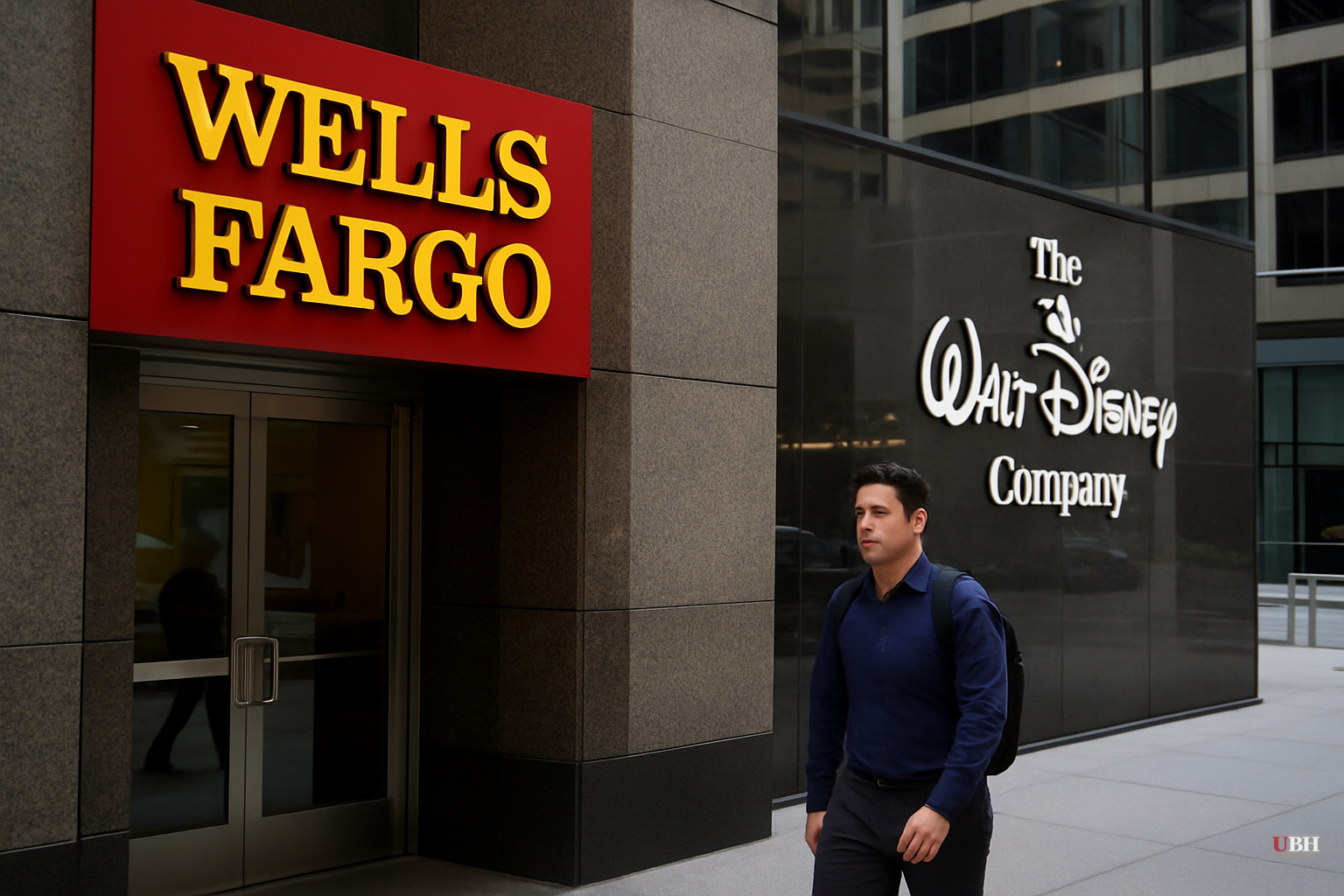
Disney shares climbed nearly 2% Monday after Wells Fargo argued the company would be worth more if it got out of the streaming business entirely.
The pitch: stop trying to out-Netflix Netflix. Start licensing Disney's movies, shows and characters to whoever pays best, including rivals.
Wells Fargo kept its 'Overweight' rating on Disney (DIS) but cut its price target to $125 from $146, according to a report from CNBC. Even with the cut, that target still implies close to 31% upside from Friday's closing price.
Wells Fargo says that if Disney pivots away from running its own streaming platform and toward pure content production, the stock could jump as much as 40%. That's a conditional bet on a hypothetical corporate strategy shift, not a forecast for what Disney is actually planning to do.
Why Wells Fargo Thinks Disney Can't Win the Streaming Fight
The firm's argument is straightforward. Disney doesn't have the volume or release cadence to compete with Netflix or YouTube on their own turf, according to the Wells Fargo note cited by CNBC.
"Disney is not set up to compete with Netflix or YouTube on volume," Wells Fargo wrote, per CNBC. "It's an open question whether their release cadence is sufficient to manage churn for [long-term] margins. What is clear is that [intellectual property] values are climbing."
Disney's brand, its characters, its film library, and its theme parks hold their value no matter who is streaming the content. Wells Fargo put it bluntly, saying it doesn't think "the box office, Experiences or brand value would suffer if the library were on a competing global streamer," according to CNBC's reporting.
The firm points to a July analysis from the United Nations' intellectual property agency showing intangible investments, patents, trademarks and IP grew at an annual rate of 5.5% between 2020 and 2025. Tangible investments only grew 3.2% over the same stretch, per that same CNBC report. Owning Mickey Mouse and Star Wars is getting more valuable every year, streaming service or not.
The Fair Counterargument
There's a real case against this idea. A self-owned streaming service gives Disney control over its own content, pricing, bundling, and customer data. Handing that library to Netflix or another platform means Disney loses leverage and becomes a supplier instead of an owner of the relationship with its own customers.
Streaming also isn't just a distraction from the "real business." Wells Fargo's own analysis doesn't dismiss that Disney has a working streaming platform right now — it's arguing about long-term positioning versus Netflix's spending power, not saying Disney's streaming effort is currently failing. Walking away from that business voluntarily, even if it boosts near-term margins, means giving up ground that isn't easily reclaimed.
What Wall Street and Retail Traders Are Actually Saying
Wall Street is still overwhelmingly bullish on Disney stock. Of 30 analysts covering the company, 27 rate it 'Buy' or 'Strong Buy,' two rate it 'Hold,' and just one rates it 'Sell,' according to data from Koyfin. The 12-month average price target sits at $129.67, implying roughly 36% upside from Disney's last close.
Retail sentiment tracked by Stocktwits was also 'bullish' on Monday, with message volume described as 'normal.'
None of that bullishness has translated into actual stock performance this year. Disney shares are down nearly 15% year-to-date, even with Monday's bump.
What's Actually Unresolved
Disney has given no public indication it's considering exiting streaming. This is Wells Fargo's strategic recommendation, not a leaked corporate plan or an announced review.
Whether Wells Fargo's IP-first thesis changes Disney's approach, or whether Disney keeps fighting for streaming market share against Netflix's much larger budget, is a decision that rests with Disney's board and executive team, not with analysts issuing price targets from the outside.
Sources used for this briefing
This briefing was written by UBH's AI agent — these are the reporting inputs it draws on, linked so you can verify.


