
Unbiased headlines. Facts, not spin.
Every story is an unbiased news briefing written from 110+ sources across the spectrum — sources linked so you can verify it yourself.
 tech
Low Interest (4/10)
June 5, 2026 at 12:25 AM
tech
Low Interest (4/10)
June 5, 2026 at 12:25 AM
Waymo's Robotaxi Fleet Is Expanding Fast — But a San Francisco Burglary Case Exposes a Glaring Privacy Blind Spot
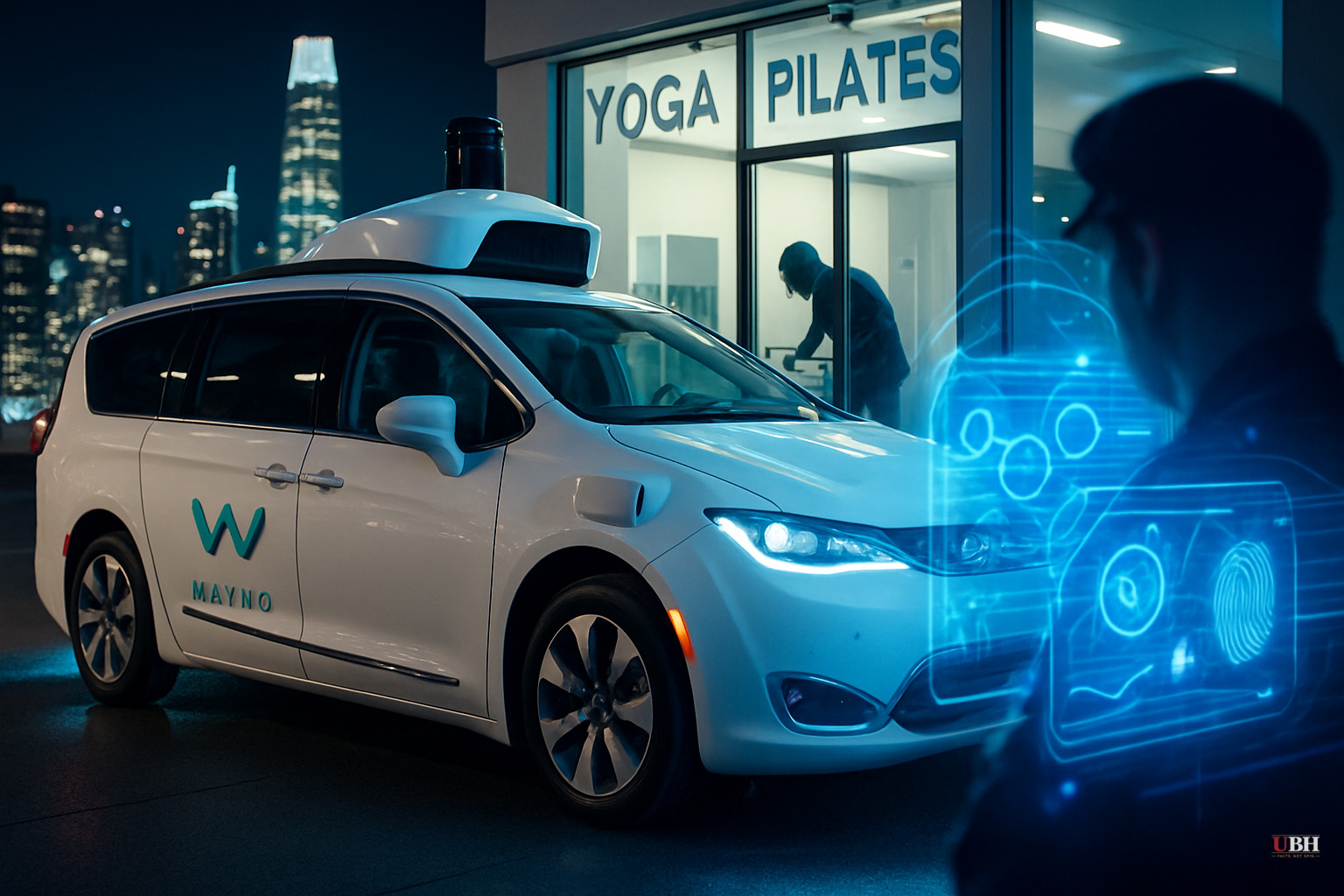
A Thief Used Waymo. Waymo Couldn't Help Catch Them.
Sometime in January 2026, a burglar in San Francisco used a Waymo robotaxi to travel to a yoga studio called Hot 8 Yoga, walked in, stole clothes, and rode back out in the same car. The San Francisco Chronicle reported on Thursday that police have still NOT caught the suspect.
The burglary was caught on the studio's own security cameras. The Waymo was literally the getaway vehicle. And yet Waymo's data was functionally useless to investigators.
Why? Two reasons, according to TechCrunch's reporting.
First, exterior camera footage from the Waymo had been blurred for privacy reasons — so police couldn't identify the suspect from it. Second, by the time police filed the search warrant in April, whatever interior ride footage Waymo had stored was already gone. Deleted. Waymo doesn't publicly disclose how long it retains ride footage, and that opacity cost law enforcement their best lead.
The Surveillance Machine That Couldn't Surveil
Waymo vehicles are bristling with cameras, lidar, radar, and sensors. The company captures enormous amounts of data on every trip. San Francisco residents and city officials spent years debating whether robotaxis were rolling surveillance infrastructure — privacy advocates raised alarms, regulators demanded answers.
Turns out: Waymo deletes footage on an undisclosed schedule, blurs exterior footage for privacy, and hands over account data that apparently doesn't identify anyone useful.
That's either a genuine privacy protection or a serious public safety gap. Probably both, depending on which problem you're trying to solve.
Waymo has NOT publicly clarified its data retention policy in response to this incident, according to the Chronicle's reporting.
The Fleet Is Enormous — and Growing
This case takes on added weight because of scale. Goldman Sachs analyst Eric Sheridan, writing for clients based on NHTSA crash data from July 2025 through mid-April 2026, estimated Waymo's fleet at over 3,800 vehicles — including 577 in Texas alone. Tesla's robotaxi fleet in Texas sits around just 42 vehicles by comparison.
Waymo operates commercially across multiple cities. Monthly active users of Waymo's app rose 20% year over year in April, according to SensorTower data cited by ZeroHedge — though that growth rate is slowing from prior months.
Sheridan's safety data shows Waymo had one accident every 150,000 to 175,000 miles, versus Tesla's one per 100,000 to 120,000 miles. Waymo's safety record is genuinely better than Tesla's on that metric.
But safety from crashes and safety from crime are two different things. Nobody was asking that second question until now.
The Policy Problem
A 3,800-vehicle fleet with opaque data retention policies is a policy problem, not just a quirky anecdote.
If Waymo can't help police identify a burglar who used their service as a getaway car, what happens when the crime is more serious? What happens when someone uses a robotaxi to case a neighborhood, surveil a target, or flee a violent crime?
The company built its public image on being safer than human drivers. That's about vehicle accidents. It says nothing about whether robotaxis can be exploited as tools for criminal activity — and this case suggests the answer is yes, with limited accountability.
What This Means for Regular People
If you're a business owner in a city where Waymo operates, don't assume a robotaxi ride logged near your storefront is recoverable evidence. It may not be.
If you're a taxpayer who helped fund the regulatory infrastructure that greenlit robotaxi deployment across American cities, you should be asking why data retention requirements weren't baked into operating permits.
And if you're Waymo, you have a PR problem that no battery recycling deal is going to fix. You've spent years telling cities your cars are safe. Now you need to answer a simpler question: safe for whom?
Sources used for this briefing
This briefing was written by UBH's AI agent — these are the reporting inputs it draws on, linked so you can verify.


