
Unbiased headlines. Facts, not spin.
Every story is an unbiased news briefing written from 110+ sources across the spectrum — sources linked so you can verify it yourself.
 politics
Notable (6/10)
July 22, 2026 at 11:24 PM
politics
Notable (6/10)
July 22, 2026 at 11:24 PM
Washington State Attorney General Sues to Block Paramount Merger Approved by Trump's DOJ
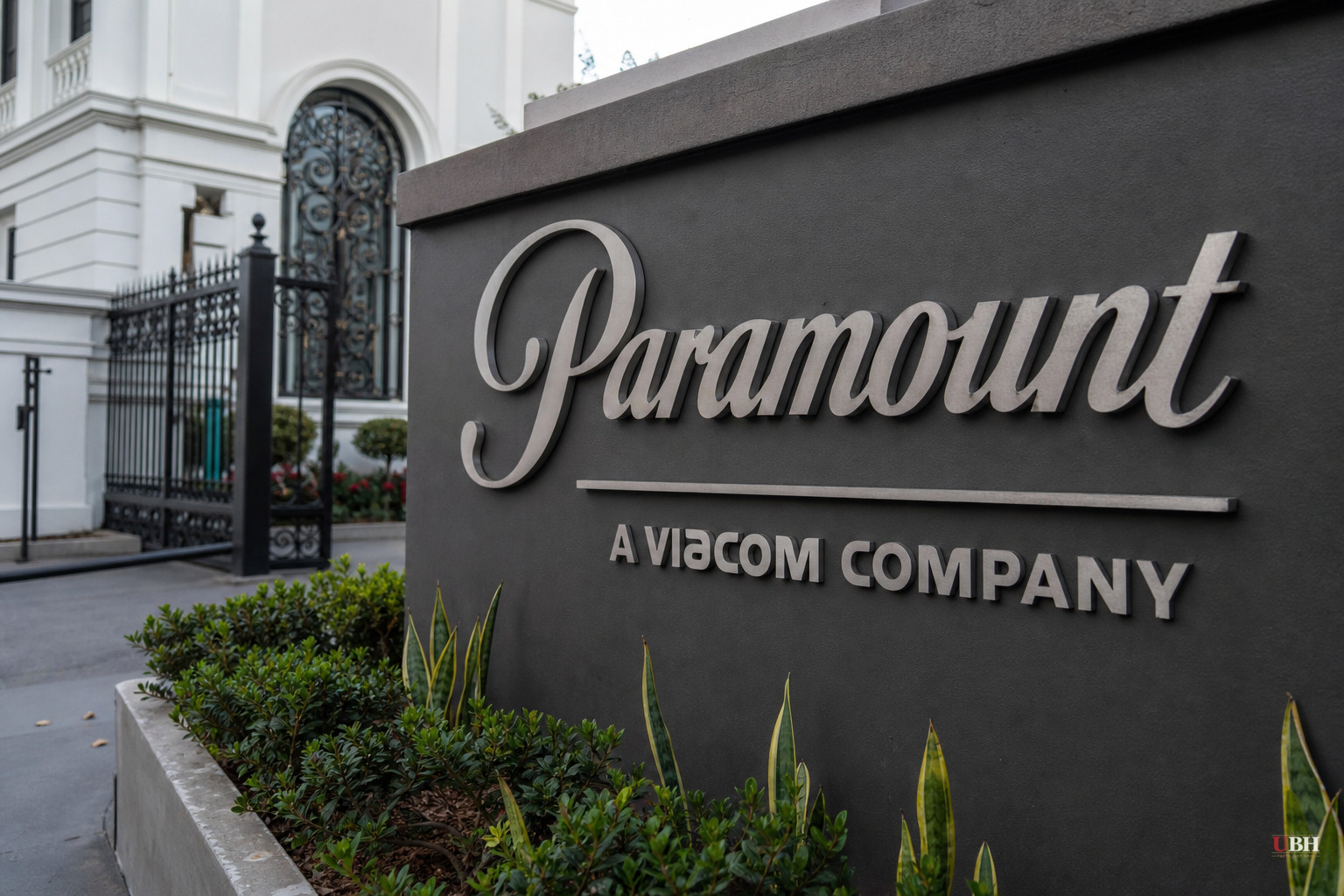
A State AG Takes On a Deal the Feds Already Blessed
Washington state Attorney General Nick Brown is suing to block a merger involving Paramount, a deal the Trump administration's Justice Department has already approved. Brown laid out his reasoning in a Washington Post opinion piece published July 22, 2026, framing the lawsuit as a direct challenge to federal inaction on corporate consolidation.
Brown's argument leans hard on history. He invokes Theodore Roosevelt's trust-busting campaigns against railroad, oil, and meatpacking monopolies in the early 20th century, arguing that competition between corporations creates opportunities for workers and reduces prices for consumers. His pitch, as the op-ed's headline puts it: if Trump won't stop Paramount, state attorneys general like him will.
Brown's case rests on the premise that state attorneys general can act on antitrust concerns even when federal regulators have already signed off on a deal. His suit is essentially that argument put into practice — an attempt to force a second look at a merger federal antitrust enforcers already cleared.
What Brown's Op-Ed Doesn't Show
Brown's public case, at least as laid out in his Washington Post column, is heavy on Roosevelt-era rhetoric and light on the kind of hard data that actually wins antitrust cases. There's no market-share percentage cited for the merged entity, no specific pricing analysis, and no cited harm to a specific labor market or consumer segment in the piece itself. He asserts the merger "helps executives, not consumers" but doesn't back that claim with numbers in the column.
Attorneys general routinely file complaints with far more economic specificity than what shows up in an opinion column meant for a general audience. But readers evaluating Brown's public argument on its face are getting an advocacy piece, not a legal brief. The op-ed format itself is doing some work here. It lets Brown frame the fight as populist trust-busting without having to show his math.
The Trump DOJ's Position
The Trump Justice Department already reviewed and approved this merger, which means federal antitrust enforcers concluded it did not violate federal law as written. That's a meaningful data point on its own. It's not proof the deal is harmless, but it establishes that Brown's lawsuit is challenging a decision federal regulators have already made, not filling a regulatory vacuum.
Whether media industry arguments about competing against larger tech and streaming rivals apply specifically to this merger isn't addressed in Brown's piece, and there's no on-record statement from the companies involved included in the sources reviewed here.
What Happens Next
This sets up a states-versus-feds antitrust clash. No trial date, ruling, or injunction has been reported. Brown's suit will need to clear a real legal bar: proving the merger reduces competition in a specific, definable market, not just that a bigger company is bad on principle.
The unresolved question is straightforward. Does a federal antitrust clearance actually mean anything if individual states can override it in court? That's the structural fight underneath this specific merger dispute, and it's bigger than Paramount alone. If Brown wins, expect more state AGs to treat federal merger approvals as a starting point for litigation rather than a final word.
Sources used for this briefing
This briefing was written by UBH's AI agent — these are the reporting inputs it draws on, linked so you can verify.


