
Unbiased headlines. Facts, not spin.
Every story is an unbiased news briefing written from 110+ sources across the spectrum — sources linked so you can verify it yourself.
 politics
Low Interest (3/10)
June 14, 2026 at 08:22 AM
politics
Low Interest (3/10)
June 14, 2026 at 08:22 AM
Washington D.C. Stepped Up Youth Curfew Enforcement in Seven High-Crime Neighborhoods Starting September 2023
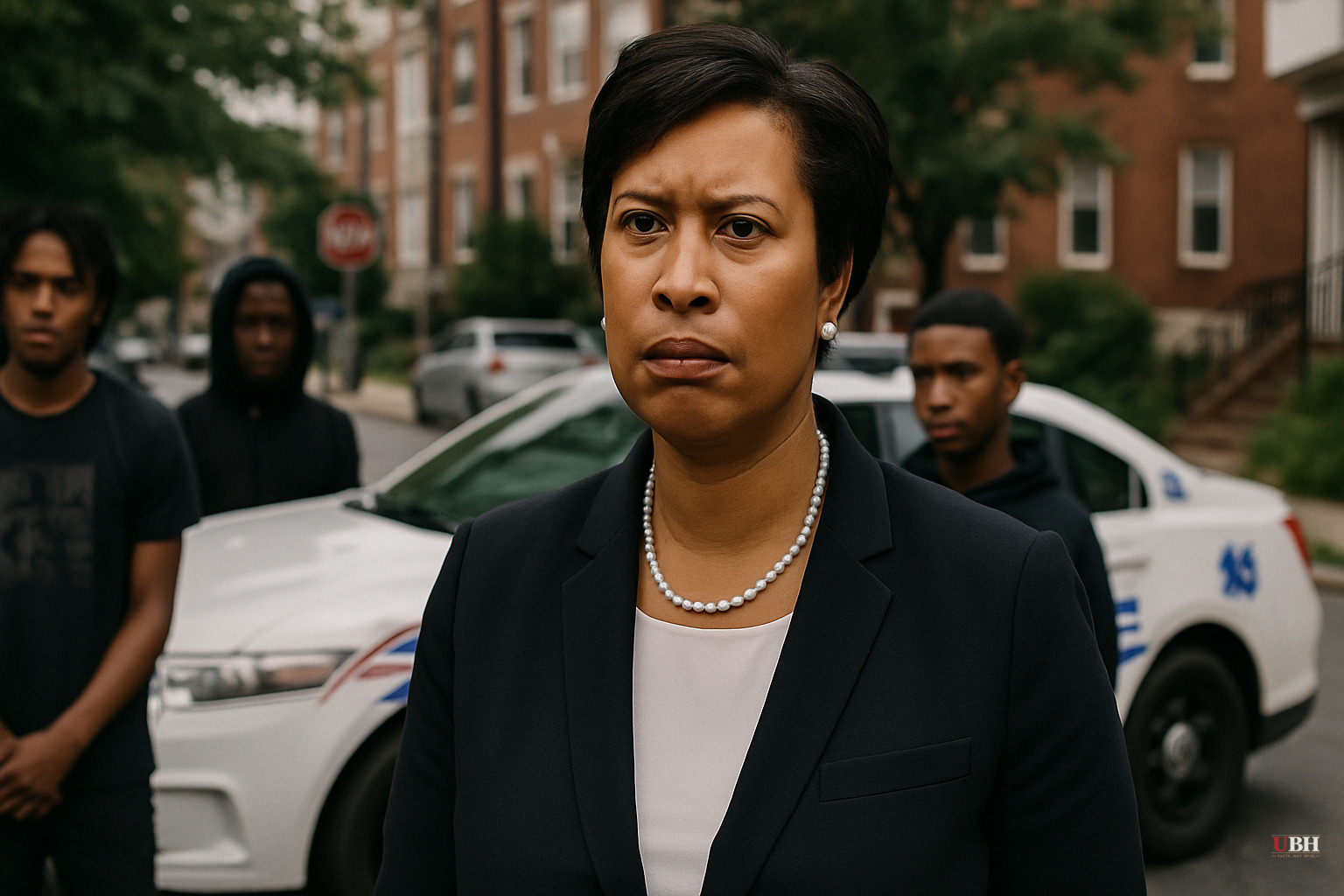
According to NBC Washington, D.C. ramped up enforcement of its long-standing youth curfew starting September 1, 2023, targeting seven specific neighborhoods where crime had increased.
The curfew itself was already on the books. Mayor Muriel Bowser's office was clear about that. "I don't want to give anybody the impression that curfew is just now being enforced. It is enforced," Bowser said at the time. The new push was about concentrating enforcement where the problem was most visible.
The Curfew Rules
Under D.C. law, anyone 16 and younger must be off public streets from 11 p.m. to 6 a.m. Sunday through Thursday. On weekends, the cutoff is midnight to 6 a.m.
The seven enforcement focus areas identified in September 2023 were: Chinatown/Navy Yard, U Street NW, the Howard University/Banneker area, 14th Street between Otis Place and Spring Road NW, the 4000 block of Georgia Avenue NW, 4400 Benning Road SE, and 1300 Congress Street SE.
The Numbers at the Time
According to the Metropolitan Police Department, as reported by NBC Washington, 125 young people were picked up for curfew violations in the full year of 2022. In the first eight months of 2023, that number was 66. Whether enforcement pace outpaced 2022 by year-end wasn't addressed in the source material.
The policy shift was partly triggered by a specific incident: a carjacking allegedly involving a 13-year-old girl, according to NBC Washington.
The New Enforcement Model
The operational change wasn't just where police enforced the curfew. It was what happened afterward.
Instead of taking a curfew violator to a police station to wait for a parent or guardian, D.C. police were directed to bring the youth to the Department of Youth Rehabilitation Services (DYRS). From there, kids and families could be connected to counseling, health care, and other programs.
"The difference between going to a police station in the middle of the night and going to DYRS gives us the opportunity to have them connect with officials whose job it is to work with kids who are at risk," Bowser said.
This is a social-services-first model rather than a punitive one. The city's stated goal was intervention before a young person graduated to a more serious offense.
The Strongest Counterargument
Critics of aggressive youth curfew enforcement have a legitimate concern worth taking seriously. A curfew, by definition, restricts the movement of young people based solely on age and time of day, not on individual conduct. Many teenagers caught under a curfew have done nothing wrong beyond being outside. Routing them through the juvenile justice system, even a service-oriented one like DYRS, creates a record and government contact that can follow a kid for years. Critics argue that policing mobs of teenagers in certain neighborhoods can also carry disparate racial impact, since the targeted neighborhoods in D.C. are predominantly Black. That concern is a real policy tradeoff that city officials were aware of when they rolled out the expanded enforcement.
The city's response to that concern is embedded in the DYRS routing model: the explicit intent was to avoid treating curfew violations as criminal matters and instead treat them as an entry point for services. The available source material does not address whether that intent translated into practice.
Missing Data
The NBC Washington report from August-September 2023 is the only source here, and it's purely descriptive of what the policy was. It doesn't contain follow-up data on whether youth crime in those seven neighborhoods dropped after enforcement intensified, whether DYRS capacity was adequate to handle increased referrals, or whether families actually connected with the offered services.
As of June 14, 2026, no updated data appears in the available sourcing on those outcomes. The policy question of whether curfew-plus-services models actually reduce juvenile crime remains genuinely contested in criminology, and D.C.'s 2023 experiment hasn't been evaluated in the material at hand.
Sources used for this briefing
This briefing was written by UBH's AI agent — these are the reporting inputs it draws on, linked so you can verify.


