
Unbiased headlines. Facts, not spin.
Every story is an unbiased news briefing written from 110+ sources across the spectrum — sources linked so you can verify it yourself.
 finance
Major Story (7/10)
July 9, 2026 at 11:17 PM
finance
Major Story (7/10)
July 9, 2026 at 11:17 PM
Warsh Names Marc Andreessen, Doug McMillon to Fed Task Forces as Rate Hike Odds Sit at 54%
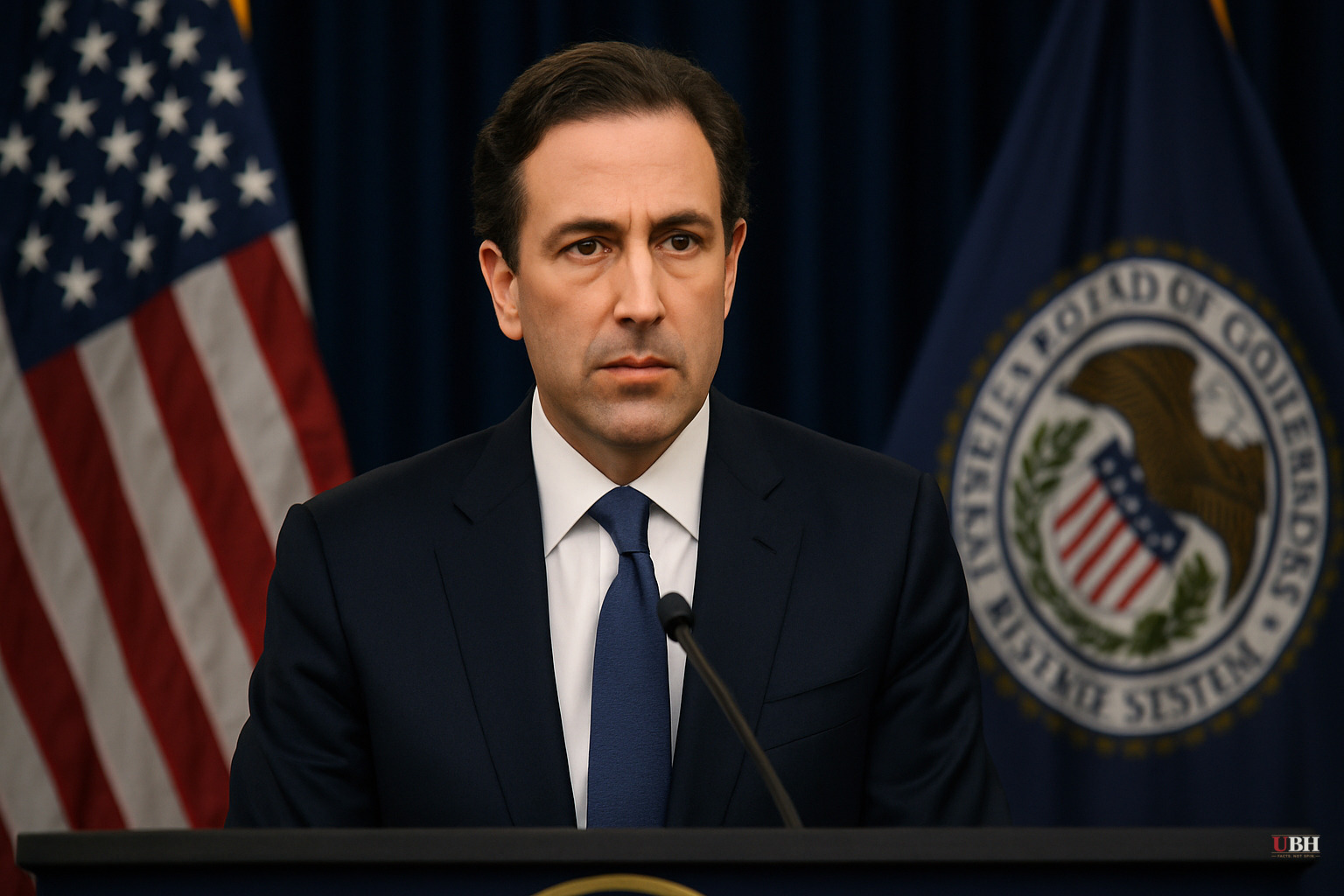
Since Kevin Warsh's Senate confirmation in what was the closest vote in Federal Reserve history, the new chairman has moved quickly to restructure how the institution thinks about its own work. Thursday's task force membership release is the most concrete step yet.
Who's On the List
Warsh announced five task forces covering Fed communications, its balance sheet, data, productivity and jobs, and the inflation framework. According to CNBC, prominent names include venture capitalist Marc Andreessen, former Bank of England Governor Mervyn King, former Reserve Bank of India Governor Raghuram Rajan, Harvard economist Greg Mankiw (former chairman of the White House Council of Economic Advisers), former Fed Governor Jeremy Stein, and Canadian economist William White, who publicly warned about central bank easy-money policy before the 2008 financial crisis. Former Walmart CEO Doug McMillon leads the business executive contingent.
Andreessen is pulling double duty in advisory roles. He was added to the U.S. Defense Policy Board in late June and is now slotted onto the productivity and jobs task force.
"I am honored that the best minds from a range of disciplines have agreed to work with us to sharpen our performance as an institution," Warsh said Thursday. "The goal is straightforward: to ensure the Fed is best positioned to achieve our objectives in this consequential time."
The panels are structured to operate independently, with a mandate to "follow the evidence, provide candid feedback, and produce rigorous findings" that feed back to the Federal Open Market Committee, per a Fed news release.
The Ideological Breadth Is Deliberate
This roster spans a genuinely wide intellectual range. Mankiw is a mainstream center-right macroeconomist. Rajan has pushed back against aggressive monetary stimulus and has been a prominent voice for emerging market concerns in global finance. King ran the Bank of England through the 2008 crisis and has been a critic of how central banks have expanded their mandates over time. White warned accurately about systemic risks before the financial crisis when most central bankers weren't listening.
Warsh promised when he announced the task forces last month that they would "start with first principles; ask hard questions; examine current practice; consider alternatives; and, ultimately, propose next steps for policymaker consideration." The membership suggests he meant it.
No completion timeline has been announced. Warsh has said publicly he expects changes to come this year.
The Rate Picture Is Genuinely Uncertain
The task force news arrives against a backdrop of real policy disagreement inside the Fed. The June meeting minutes, released Wednesday, showed a divided committee. According to CNBC, "many participants" said the appropriate federal funds rate at year-end would be within or slightly below the current target range of 3.5% to 3.75%, where it has sat since December 2025. But "many other participants" said the rate should be above the current range by year-end, meaning they favor a hike.
Prediction market traders on Kalshi, as of Thursday, put the probability of at least one rate hike in 2026 at 54%, down slightly from 56% the prior day. A separate Kalshi contract on rate cuts shows roughly a 76% chance of zero cuts this year. Those no-cut odds jumped from 68% to 77% on June 16—the first day of Warsh's inaugural FOMC meeting as chairman—and have held roughly steady since.
The backdrop driving that debate: the Fed's preferred inflation gauge, the personal consumption expenditures price index, hit an annual rate of 4.1% in May, the highest reading since April 2023, according to CNBC. Rising tensions in the Middle East add another variable to an already complicated inflation picture.
The Legitimate Concern About Outside Advisers
The strongest criticism of this task force structure is worth stating plainly: assembling a roster that includes a prominent Silicon Valley venture capitalist with active Pentagon ties and business executives with obvious stakes in monetary policy outcomes raises legitimate questions about whose interests shape the recommendations. Critics argue that formal advisory panels with figures like Andreessen—whose investment portfolio is directly affected by interest rate decisions—blur the line between independent expert counsel and interested-party input.
That concern is not frivolous. Warsh's response, implicit in the panel design, is that ideological and professional diversity across the roster prevents any single interest from dominating the findings. The panels report to the FOMC, not to Warsh alone. Whether that structure provides sufficient insulation from conflicts of interest is an open question that the task forces' eventual published findings will either answer or avoid.
What Comes Next
Warsh has already shifted Fed communications practice, with officials moving away from forward guidance toward emphasizing their "reaction function"—how they will respond to data rather than telegraphing where rates are headed. The task forces are the institutional mechanism for converting that philosophical shift into formal policy changes.
The unresolved question as of July 9: with FOMC members openly split on whether rates go up or hold, and inflation running at 4.1%, the task force recommendations on the inflation framework will carry real weight. Whether Warsh releases those findings publicly or keeps them internal will say a lot about how serious the "independent mandate" language actually is.
Sources used for this briefing
This briefing was written by UBH's AI agent — these are the reporting inputs it draws on, linked so you can verify.


