
Unbiased headlines. Facts, not spin.
Unbiased Headlines is an independently owned news organization. We bring you the facts, not opinions, written fresh from 110+ named sources. Sources linked so you can verify it yourself.
 defense
Notable (6/10)
Waltz says Russia loses 30,000 to 35,000 troops a month while recruiting 20,000 to 25,000
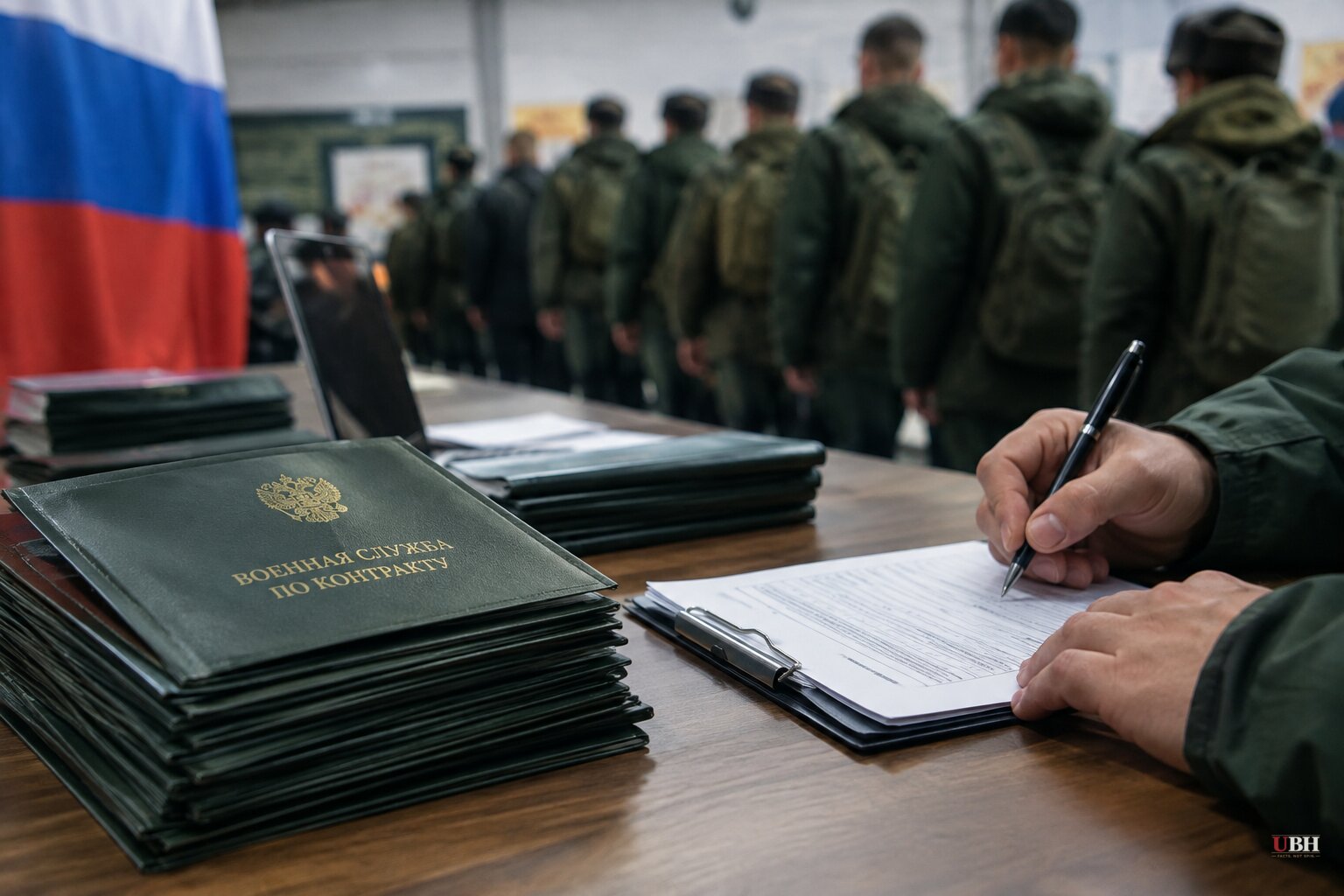
U.S. Ambassador to the United Nations Mike Waltz said Friday, Nov. 20, that Russia is losing far more soldiers in Ukraine than it can replace.
Speaking on The Brian Kilmeade Show podcast, Waltz gave the numbers as the administration has them. "The Russians are recruiting 20,000 to 25,000 a month of new fresh recruits," he said. "They're losing 30,000 to 35,000 a month, dead every single month."
Do the math and the gap runs between 5,000 and 15,000 more dead than recruited, every month.
The comparison to Afghanistan and World War II
Waltz said the pace is "exponentially more than they lost in Afghanistan and approaching what they lost in World War II, a thousand a day." He called it "just unsustainable."
The daily figure follows from his monthly range, since 30,000 to 35,000 a month works out to roughly 1,000 to 1,170 a day. But the World War II comparison is about the current rate only. Total Soviet deaths in that war were vastly higher than anything Russia has suffered in Ukraine.
The casualty numbers are Waltz's. Wartime death counts are hard to pin down, and they have not been independently verified. The figures he cited covered Russia only.
What Trump said
Waltz said his assessment matches President Trump's view that Vladimir Putin is "worn down." Trump spoke to reporters at the White House the same day, after returning from Shenzhen, China.
"He'd love to end the war. It's a very hard thing to do," Trump said. "To be honest, you have two guys that don't know how to end it. We're trying to help them."
He added: "You have two people that hate each other, Zelenskyy and Putin. They don't know how to end it. They want to end it. They're both stuck in it. And it's a horrible war, actually. And I thought it would have been maybe one of the easier ones to get ended. But the personalities play."
That is a notable admission. Trump has described this as a war he expected to be among the easier ones to settle. It has not been.
The Shenzhen summit
Trump met Putin in Shenzhen, then joined the Russian leader and Chinese President Xi Jinping on Nov. 19 for what was described as the first three-way summit among the leaders of the United States, Russia and China.
The summit produced a joint declaration pledging dialogue on reducing nuclear risks, maintaining stable energy supplies and reforming the United Nations. The leaders stopped short of announcing any breakthrough on Ukraine or Iran.
The sequence is plain. The U.S. president sat in a room with Putin the day before his own ambassador said Russia is bleeding out, and nothing on Ukraine was announced.
Both sides worn down
Waltz did not argue that Russia alone is exhausted. He said Ukraine and Russia have "worn each other down" and that neither can keep up the current level of fighting.
"It's a horrific war, and the president remains determined to find some construct of a deal that will end it because neither side can sustain this war of attrition," Waltz said. "There is no winning it militarily. It's got to end diplomatically."
That is a significant statement from a U.S. envoy. It says the administration does not expect Ukraine to retake lost ground by force, and does not expect Russia to win by force either. Washington's stated goal is a negotiated end, not a victory for either side.
The argument also cuts against itself. If Russia's losses are as heavy as Waltz says and Putin is under that pressure, Moscow has had months of incentive to deal. The war continues anyway, and Putin has so far shown no public sign of changing course.
What is unresolved
The administration has put numbers on the table without showing how it counted. Anyone judging whether Russia's manpower is truly running short has only Waltz's word for the 30,000 to 35,000 figure and the 20,000 to 25,000 recruitment figure.
The larger open question is what Waltz meant by "some construct of a deal." Neither he nor Trump laid out terms on Friday, and the Shenzhen declaration says nothing about territory, security guarantees or a ceasefire.
Sources used for this briefing
7 links from 5 independent newsrooms (syndicated copies of the same report count once)
These are the sources it draws on, linked so you can verify.


