
Unbiased headlines. Facts, not spin.
Every story is an unbiased news briefing written from 110+ sources across the spectrum — sources linked so you can verify it yourself.
 finance
Low Interest (4/10)
August 1, 2026 at 06:49 AM
finance
Low Interest (4/10)
August 1, 2026 at 06:49 AM
Wall Street's Bond Managers Are Betting on Short-Term Treasurys, Not the Fed Cutting Rates
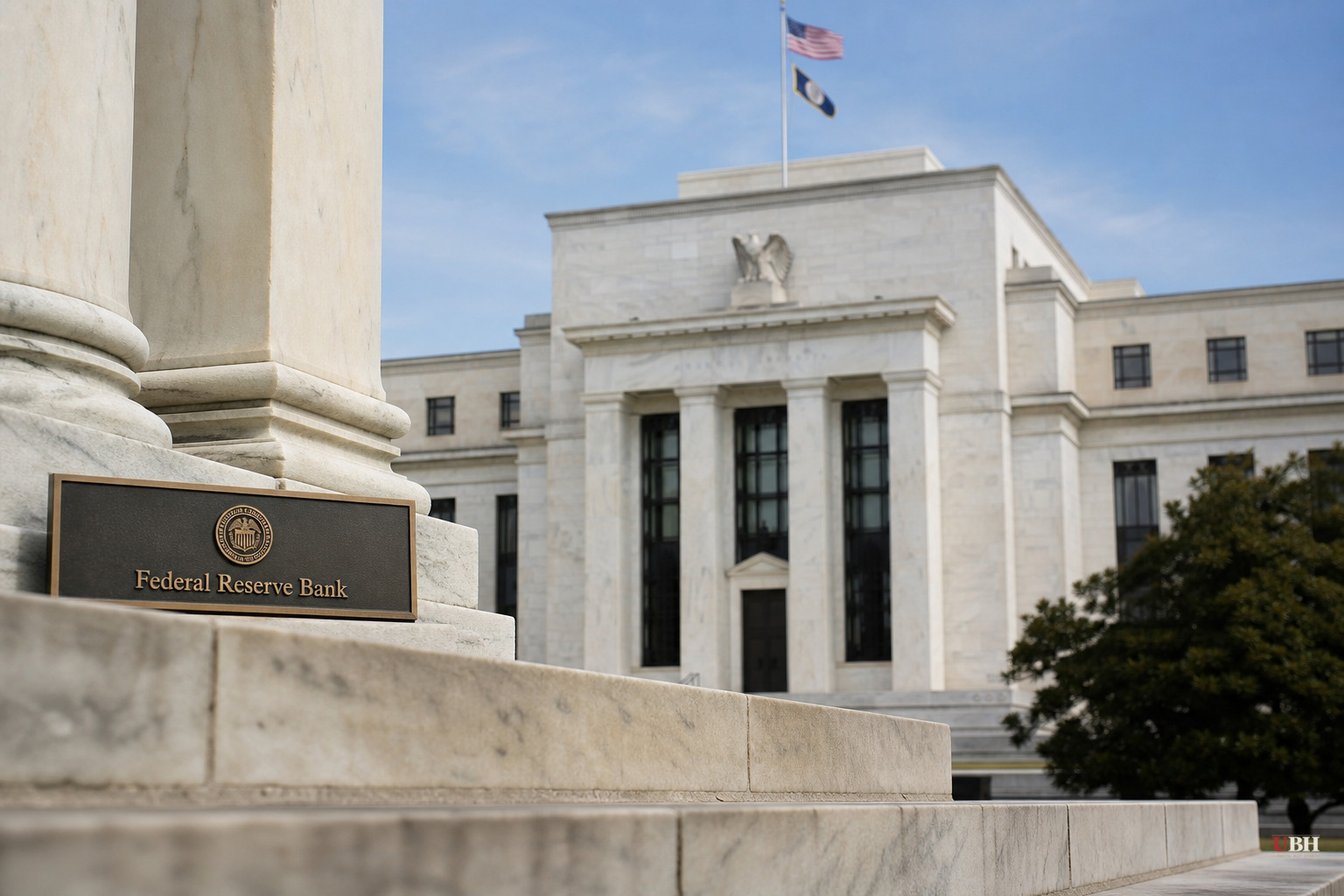
The Federal Reserve held interest rates steady at its meeting this past Wednesday, and that decision has bond strategists rethinking where to park money.
Noah Wise, head of global macro strategy and a senior portfolio manager at Allspring Global Investments, told CNBC's "ETF Edge" that investors should shift their attention to the front end of the yield curve, meaning short-term Treasurys, rather than betting on long-duration bonds.
"You see a market that's pricing in a couple of hikes for the Fed here over the next couple of years," Wise said. "That type of yield north of 4% with relatively low risk is, in our view, pretty attractive."
For much of the last two years, the dominant Wall Street conversation was about when the Fed would start cutting. Wise is now saying the market itself is pricing in the opposite: hikes, not cuts, as the more likely path over the next couple of years.
What Allspring Is Actually Recommending
Allspring is a fixed income, money markets and equities shop whose client base ranges from financial advisors and consultants to corporations and institutions, according to the firm's website. Wise's argument is straightforward: short-term Treasurys yielding north of 4% carry low risk and, given the current rate environment, look more attractive than locking money into long-duration bonds that are more exposed if rates move against you.
Wise also pointed to opportunity in U.S. credit markets, both investment grade and high yield, saying he prefers American credit over European credit right now because of stronger macro fundamentals in the U.S.
He also said he's finding double-digit yields in Latin America and sees room for diversification there despite geopolitical risk.
"Particularly in Latin America, you can find yields that are at [double digits] so there's a lot of opportunities," he said. "I think even with the challenges and risks that we see geopolitically, you can still generate pretty attractive yield and income in a really diversified manner."
No Change After the Fed's Decision
In a note to CNBC, Wise said the Fed's decision to hold rates steady this week hasn't changed his strategy. If anything, it validates the tactical approach his team has been running.
"Opportunity always lurks where uncertainty is found," he wrote. "The market [moving] in short-term Treasury yields between these two Fed meetings is a good example of this, and our strategies have been tactically adjusting our exposure to this part of the curve in an effort to take advantage of that volatility."
Short-term Treasury yields have been bouncing around between Fed meetings, and Allspring has been trading that volatility rather than sitting still.
Why This Matters for Investors
Millions of Americans hold bond funds inside 401(k)s and IRAs. The difference between short-duration and long-duration exposure has real consequences for retirement savers. If the market really is pricing in Fed hikes rather than cuts, anyone holding long-term bond funds could see prices fall as rates rise, since bond prices move opposite to yields.
What's factual: the Fed held rates steady this past week, and short-term Treasury yields are currently sitting above 4%. What's speculative: Wise's read that markets are now pricing in hikes rather than cuts over the next couple of years is his firm's interpretation of market signals, not a Fed announcement or a guaranteed outcome.
The Fed itself has not announced any plan to raise rates. Wise's comments reflect what he says bond futures and yield curve pricing are implying, which is a different thing than a stated Fed policy shift. Investors reading this coverage should treat it as one strategist's market read, not a forecast confirmed by the central bank.
The open question now is simple: does the Fed's next move, whenever it comes, confirm Wise's read on the market or contradict it? The Fed has not scheduled any rate hike, and its own public guidance has focused on data dependency rather than a preset path. Until the next meeting produces an actual decision, this remains a bet on where short-term yields are headed, not a settled outcome.
Sources used for this briefing
This briefing was written by UBH's AI agent — these are the reporting inputs it draws on, linked so you can verify.


