
Unbiased headlines. Facts, not spin.
Every story is an unbiased news briefing written from 110+ sources across the spectrum — sources linked so you can verify it yourself.
 finance
Notable (6/10)
July 25, 2026 at 03:46 AM
finance
Notable (6/10)
July 25, 2026 at 03:46 AM
Vitol Paid Shareholders $5.9 Billion in 2025, Down From Record $10.6 Billion the Year Before
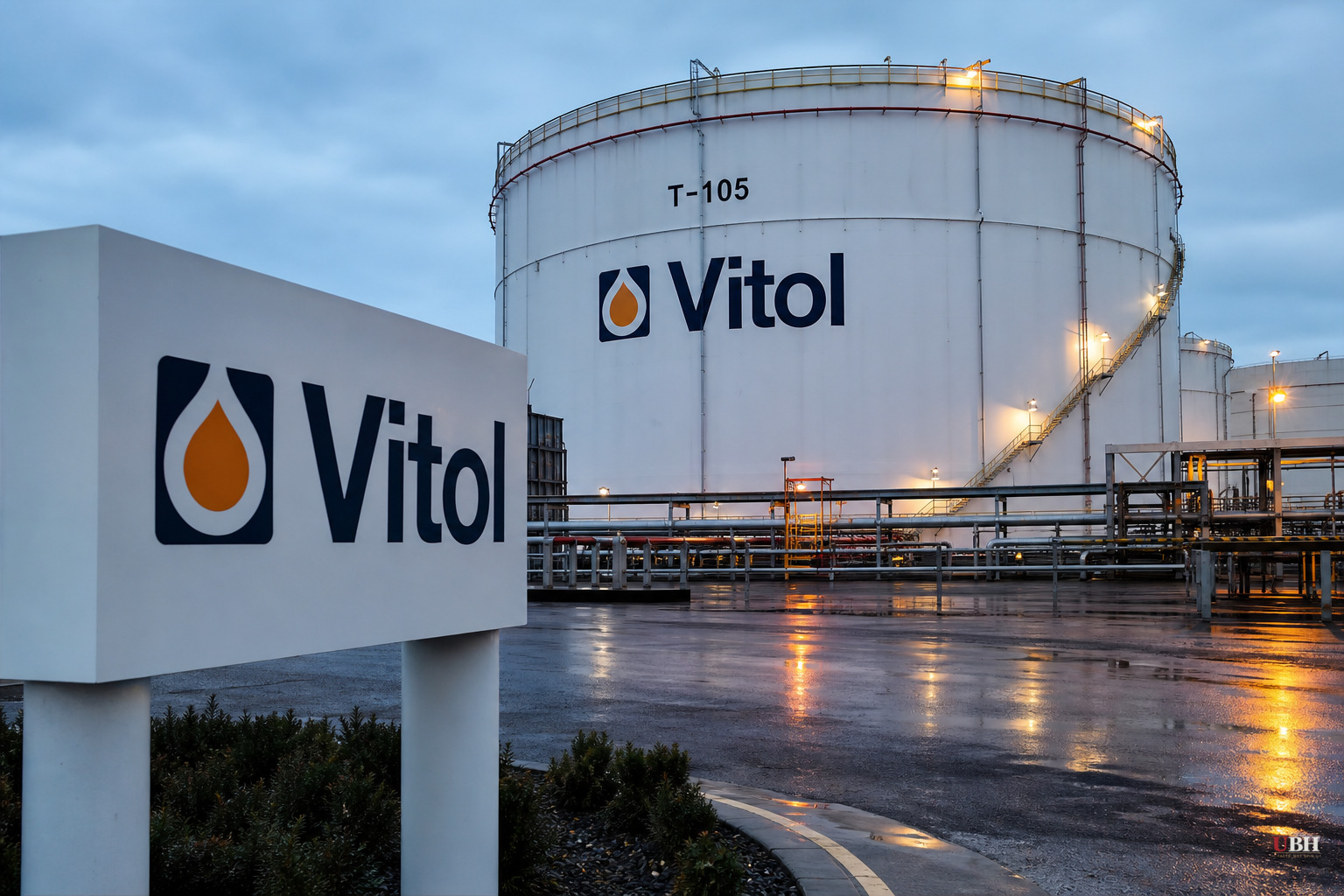
Vitol, the Geneva-based commodity trading giant that moves more physical oil around the planet than any other independent firm, paid shareholders $5.9 billion in 2025 through its annual share buyback program, according to a company filing reviewed by Reuters.
That's a steep drop from the $10.6 billion the company paid out in 2024, which was a record for the firm.
The payout cut tracks a bigger profit collapse. Vitol's 2025 profit came in around $4.2 billion, according to the annual filing it submits to the Luxembourg business registry. That's roughly half the $8.7 billion the company earned in 2024.
Total equity attributable to shareholders stood at $29.1 billion at the end of 2025, down slightly from $30.6 billion a year earlier.
Why the Numbers Fell
The drop isn't unique to Vitol. Commodity trading houses broadly saw lower profits last year as markets normalized from the boom conditions of 2022 through 2024. Those were the years when COVID-era supply chain chaos and the Russia-Ukraine war created massive price dislocations that trading firms like Vitol, Trafigura, and Gunvor could exploit for outsized margins.
When markets settle down and price spreads narrow, so does the profit trading houses can squeeze out of moving oil and gas around the globe. That's basic commodity trading economics, not any kind of scandal or mismanagement at Vitol.
A Wrinkle: The Iran War
Oil and gas markets have seen fresh turbulence in 2026, with the U.S. and Israeli military campaign against Iran driving volatility and higher prices. That's exactly the kind of environment where a trading house like Vitol can turn chaos into profit, since traders make money on price swings and supply disruptions, not just on stable, predictable markets.
Vitol itself seems to be banking on that. "The geopolitical outlook remains uncertain. Notwithstanding that, the Group expects to achieve a positive result in 2026," the company said in its filing, according to Reuters.
That's a notably confident line given how much of Vitol's 2025 profit drop was tied to markets calming down. If Middle East volatility persists through 2026, Vitol's own filing suggests management expects that turbulence to work in the company's favor.
The Congo Deal That Didn't Happen
Buried in the same filing is a smaller but notable disclosure: a transaction with Italian energy major Eni for oil and gas assets in the Republic of Congo has been terminated after hitting a long stop date in March 2026, according to Reuters. Neither Reuters nor the filing details spelled out publicly why the deal collapsed or what assets were involved beyond that it reached its contractual deadline without closing.
That's a real business setback for Vitol's asset portfolio, even if it's dwarfed by the headline shareholder and profit numbers. Vitol hasn't publicly detailed the size of the terminated deal or issued further comment on why it fell through.
Vitol is privately held, structured as a partnership owned largely by its own employees and executives, which is why the buyback mechanism functions as its main shareholder payout vehicle rather than a public dividend. That ownership structure means these numbers come from a regulatory filing in Luxembourg rather than a quarterly earnings call, and Vitol doesn't face the same disclosure requirements as a publicly traded company like ExxonMobil or Shell.
The open question is whether 2026 actually delivers the rebound Vitol is forecasting. If Iran-related volatility continues to roil oil markets through the rest of the year, the next annual filing, likely surfacing again around this time in 2027, will show whether that bet paid off or whether Vitol simply saw another year of margins compressing back toward historical norms.
Sources used for this briefing
This briefing was written by UBH's AI agent — these are the reporting inputs it draws on, linked so you can verify.


