
Unbiased headlines. Facts, not spin.
Every story is an unbiased news briefing written from 110+ sources across the spectrum — sources linked so you can verify it yourself.
 health
Low Interest (2/10)
July 13, 2026 at 02:05 PM
health
Low Interest (2/10)
July 13, 2026 at 02:05 PM
Viral 'Produce Prep' Videos Are Trending, But Washing and Cutting Fruit Early Can Backfire
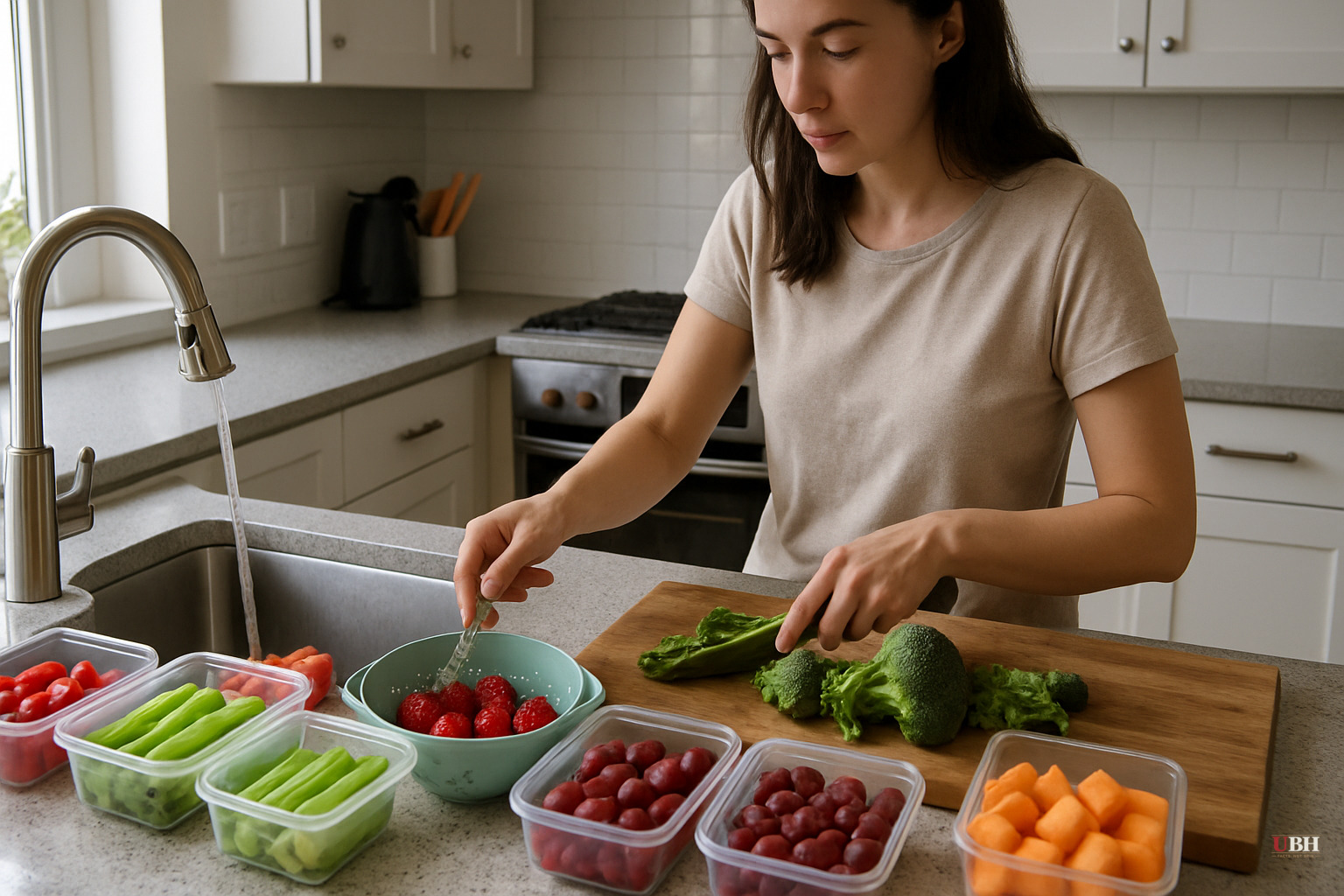
The Trend
Scroll through social media and you'll find endless videos of berries, peppers, and lettuce dunked in specialty produce washes, then diced and arranged in clear containers for the fridge. It looks satisfying. According to Daily Wire's food vertical Upstream, the routine has replaced what used to be a quick rinse under the tap for a lot of home cooks worried about pesticides, dirt, and bacteria after repeated produce recall headlines in recent years.
The instinct isn't crazy. Contamination scares are real, and people have a right to want cleaner food. But wanting clean produce and actually getting it are two different things, and the viral method skips over some basic food science.
The Storage Problem Nobody Shows You
The aesthetic videos leave out a crucial detail: washing and cutting produce before it goes in the fridge introduces moisture, and moisture grows mold. Upstream notes that anyone doing the pre-washed, pre-cut method needs to eat that produce fast or make sure it's fully dry and stored with a paper towel to soak up excess water.
Skip that step and you're not extending your produce's life, you're speeding up its decay.
What Actually Removes Dirt and Bacteria
For sturdy produce like potatoes, carrots, or beets, a scrub brush and plain tap water clears most of the dirt, according to Upstream. No specialty product required.
Delicate produce is trickier. Leafy greens and herbs hide grime in their folds, so cutting or peeling them open exposes spots that need extra attention. Many bagged lettuce mixes are already labeled "pre-washed" or "triple washed." Rinsing them again doesn't add much and, per the moisture problem above, can actually shorten their shelf life.
Even produce with skin you don't eat, like avocados or melons, should get washed. Bacteria on the exterior can transfer to the interior through a knife blade during cutting, which is a real contamination risk that has nothing to do with pesticides.
The Commercial Wash Problem
Specialty produce washes are now all over grocery store shelves, marketed as the answer to pesticide worry. But according to Upstream, these products are not necessarily safe to eat and can be absorbed into the produce itself during use.
A safer, cheaper alternative already sitting in most kitchens: a rinse in white vinegar, which kills bacteria, followed by a quick water rinse to clear the vinegar taste and residue.
The Pesticide Question, Honestly Answered
This is the fair concern behind the whole trend. People aren't wrong to want pesticide residue off their food, especially given how often produce contamination makes headlines. That worry is legitimate and shouldn't be waved away as paranoia.
But the fixes are imperfect. Some studies cited by Upstream suggest a 10-minute baking soda soak, roughly one teaspoon per cup of water, can help strip surface-level pesticides. There's also some evidence vinegar helps. Neither method is foolproof, and neither eliminates pesticide residue entirely.
The blunt truth, per Upstream: it is impossible to remove all dirt, bacteria, and pesticides from fruit and vegetables. The most effective method is buying food that starts with less contamination in the first place — shopping from a trustworthy local source, buying in-season, or leaning on guides like the Environmental Working Group's Clean Fifteen and Dirty Dozen lists to decide what's worth buying organic.
What's Actually Worth Doing
Scrub the sturdy stuff. Rinse the delicate stuff, including produce with inedible peels. Skip the pricey specialty washes in favor of a vinegar rinse. And if you insist on the pre-cut fridge-container method, dry everything thoroughly or accept you'll be tossing spoiled food sooner than you'd like.
What's left unresolved is whether the commercial produce-wash products now lining grocery shelves face any federal review of their safety or effectiveness claims. Nothing in current reporting indicates the FDA has evaluated these specific consumer products for either question, leaving buyers to take the marketing largely on faith.
Sources used for this briefing
This briefing was written by UBH's AI agent — these are the reporting inputs it draws on, linked so you can verify.


