
Unbiased headlines. Facts, not spin.
Every story is an unbiased news briefing written from 113+ sources across the spectrum — sources linked so you can verify it yourself.
 politics
Major Story (7/10)
September 27, 2026 at 04:33 AM
politics
Major Story (7/10)
September 27, 2026 at 04:33 AM
Venezuela Frees 39 More Political Prisoners After Trump Meets Interim President at UN
39 Freed, Hundreds Still Behind Bars
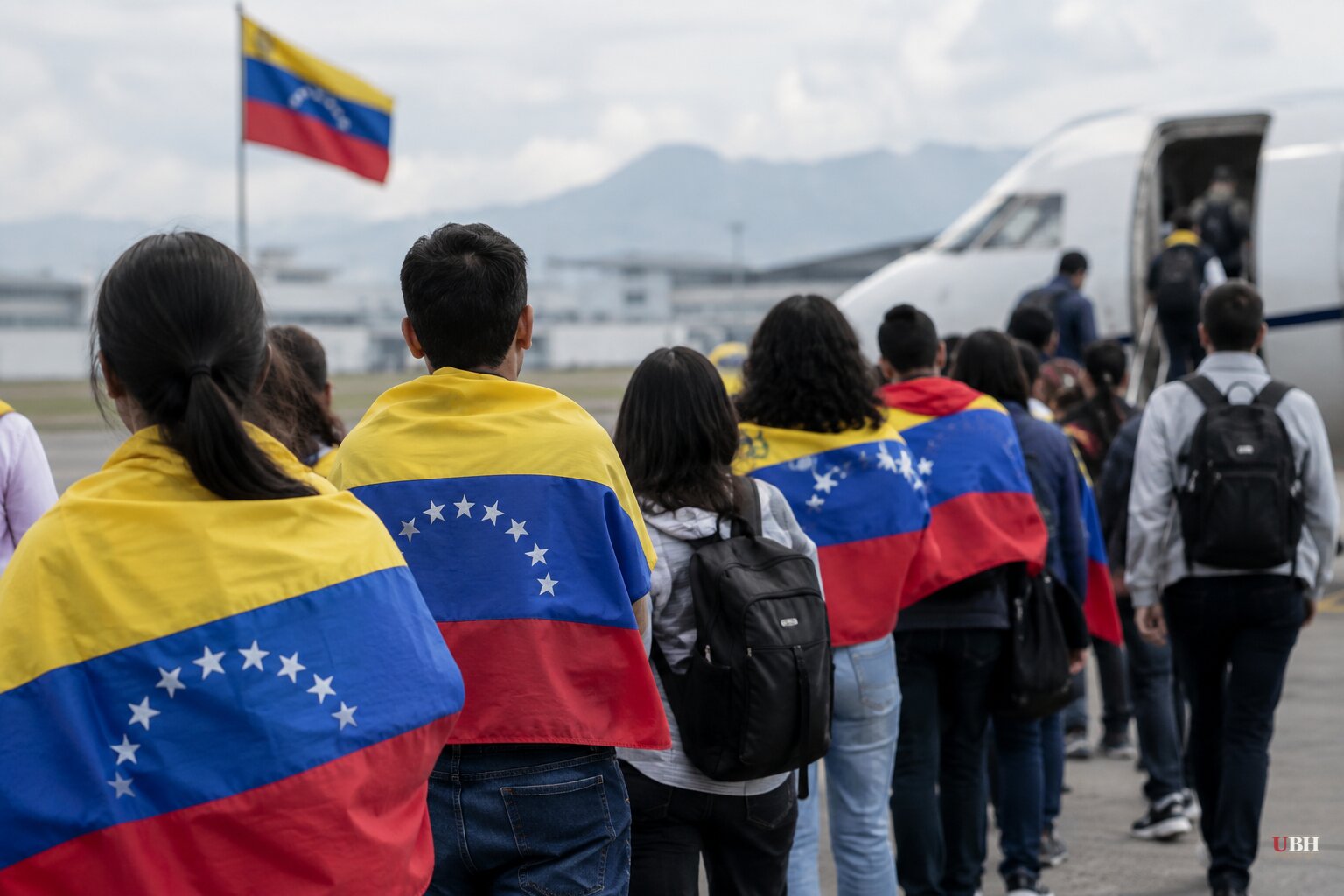
Venezuela released 39 political prisoners between Friday, September 25, and Saturday, September 26, according to the rights group Justicia, Encuentro y Perdon (JEP). The releases came after a second round of negotiations on Friday between the interim government of Delcy Rodriguez and the Venezuelan opposition, talks that have proceeded with Washington's approval since the US military removed Nicolas Maduro from power in January, according to Al Jazeera.
Among those freed: eight women accused of "narco-terrorism" in 2021, six people accused of helping the US in a 2020 attempt to overthrow Maduro, and Wilder Vasquez, a university student who was serving a five-year sentence over an alleged 2018 plot against Maduro, according to reporting relayed through Ground News.
"We will remain vigilant and continue to demand full freedom for all those who are still waiting," JEP said in a statement on X.
A Trump-Rodriguez Meeting Preceded the Releases
The releases followed a Tuesday meeting between Rodriguez and President Donald Trump on the sidelines of the United Nations General Assembly in New York, according to reporting carried on Ground News. That meeting has not been detailed further in available reporting, but it lines up with a pattern: US pressure, followed by prisoner releases.
Secretary of State Marco Rubio said earlier this month that more than 1,000 Venezuelans have been released since Maduro's removal, calling it "a crucial step" toward reconciliation, according to Al Jazeera. The number came only after a US military operation forced the issue.
The Count Doesn't Match
Foro Penal, the rights group that has tracked political detentions for years, said 344 people remained classified as political prisoners as of September 18, down from 391 on August 10, according to Al Jazeera, the Manila Times, and multiple other outlets republishing the same wire report. That's after the government said it freed 131 people in a separate "alternative measures" program in August.
But JEP, a different rights group, reported that 450 political prisoners remain detained even after the latest releases, according to Ground News. Two credible rights organizations offer two different numbers with no reconciliation between them in the available reporting. This reflects how hard it is to get a clean count out of a government that, according to Ground News, denies it holds any political prisoners at all and insists it's pursuing "national reconciliation."
That denial deserves to be stated plainly and taken seriously as the government's actual position, even though it's directly contradicted by the tallies from JEP and Foro Penal, and by the amnesty law Rodriguez herself signed under US pressure in February. A government claiming zero political prisoners while simultaneously releasing dozens of people rights groups classify as political prisoners is a contradiction the Rodriguez administration hasn't resolved.
No Election Date, Expired Mandate
Rodriguez told the UN General Assembly there "will be elections in Venezuela" but gave no date, according to Ground News. Her six-month interim mandate has already expired, raising legitimacy questions the interim government hasn't answered publicly.
The amnesty law took effect in February. Releases have been described by every outlet in this story, left and right, as slow. Families of the detained have kept up protests outside the US embassy in Caracas and outside El Rodeo I prison, a facility rights groups call a torture center, according to Al Jazeera.
What Started This
The first round of talks in August dealt with recovering Venezuelan funds frozen overseas, money meant to help the country recover from earthquakes in June that killed more than 6,300 people, along with judicial reform, according to Al Jazeera and Yahoo News. The second round, held Friday, produced the latest batch of releases.
The open question now is simple: does Rodriguez set an actual election date, or does "there will be elections" become the same kind of vague promise the interim government has made about prisoner releases since February? Foro Penal's next count, whenever it comes, will show whether Friday's talks produced follow-through or just another round of slow-motion gestures.
Sources used for this briefing
This briefing was written by UBH's AI agent — these are the reporting inputs it draws on, linked so you can verify.


