
Unbiased headlines. Facts, not spin.
Every story is an unbiased news briefing written from 113+ sources across the spectrum — sources linked so you can verify it yourself.
 politics
Notable (5/10)
September 27, 2026 at 03:57 AM
politics
Notable (5/10)
September 27, 2026 at 03:57 AM
Texas Ag Commissioner Sid Miller Says Fear of ICE Arrests Is Keeping Legal Residents Home, Kids Out of School
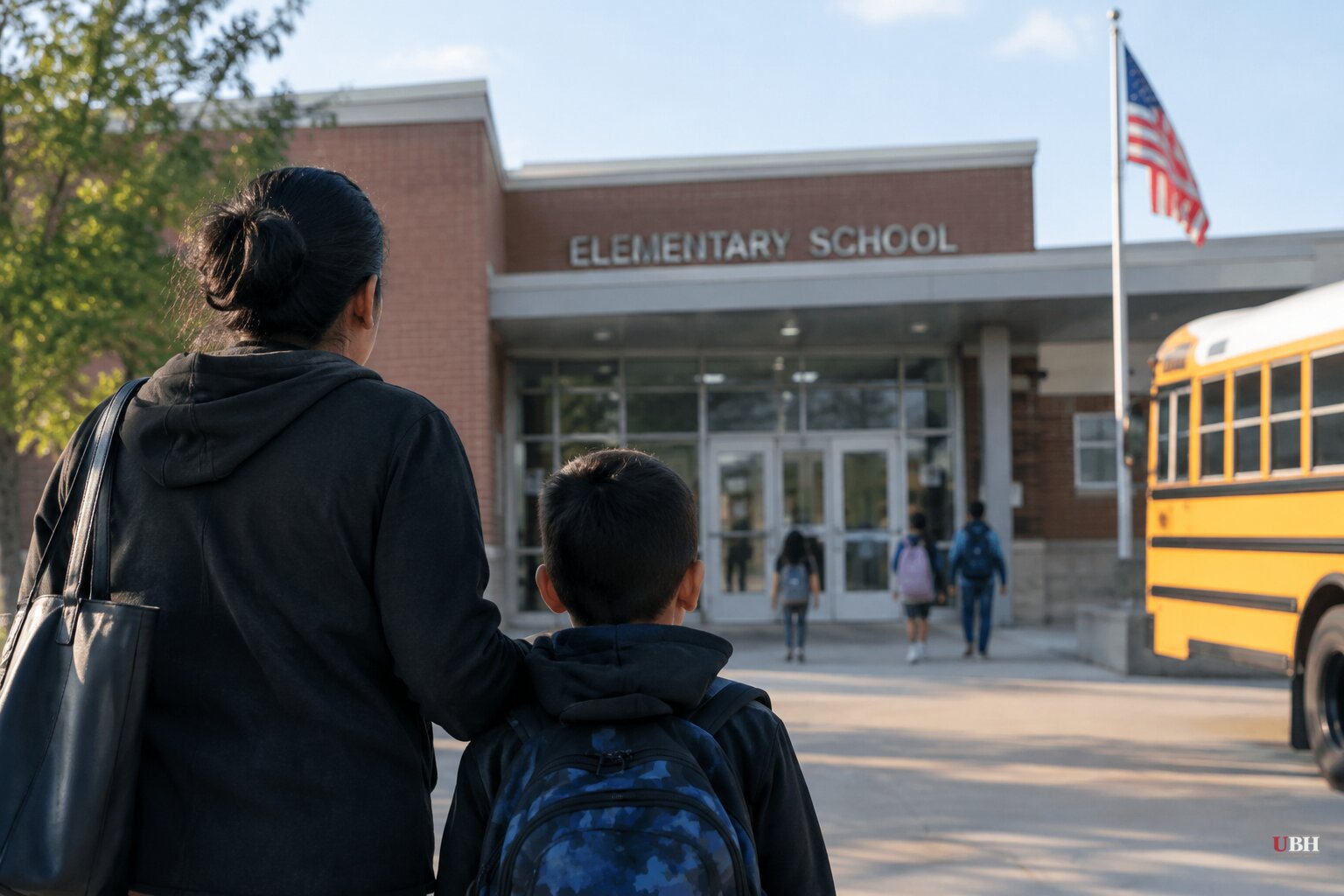
Texas Agriculture Commissioner Sid Miller, a Republican, said on NewsNation's Friday broadcast that fear of ICE arrests has spread well beyond people in the country illegally. According to Miller, legal residents are staying out of public view too, worried they'll get swept up regardless of status.
"These people are afraid to get out in public," Miller said, referring to communities near recent immigration enforcement actions. He specifically said school kids aren't showing up to class because families fear arrest, whether the parents are here legally or not.
Miller tied this directly to Immigration and Customs Enforcement raids on meatpacking plants in Kansas, saying the enforcement actions will drive up beef prices. He didn't cite a specific dollar figure or timeline, and no independent economic analysis was presented alongside his comments to confirm the scale of any price impact.
A Preview of an Earlier Fight
Miller also referenced an earlier episode from the start of the current administration's enforcement push, when he said ICE agents went out to dairies and began arresting agricultural workers. "We couldn't get the cows milked," Miller said, describing the labor disruption that followed.
He said he and other agriculture commissioners pushed back hard. "I raised Cain, a lot of other ag commissioners did," Miller said. According to him, that pressure led federal officials to shift approach, telling agriculture leaders they weren't targeting dairy workers specifically and instead wanted to focus on "the criminals."
That account matches broader reporting earlier in 2025 that the administration faced pushback from farm-state Republicans and agriculture groups over raids disrupting dairies, meatpacking plants, and other food-supply operations that rely heavily on immigrant labor. Miller's comments suggest that friction hasn't fully gone away, even after the administration reportedly narrowed its focus toward people with criminal records.
The Case for Enforcement As Written
ICE's stated position, as described by administration officials throughout 2025, has been that enforcement priorities target criminal aliens first. If that's accurate and consistently applied, Miller's account of the dairy episode would represent an early misstep in the rollout that federal officials say has since been corrected.
Supporters of strict enforcement would argue that a functioning immigration system requires actually enforcing the law, and that fear of arrest is a rational and even intended consequence for those who are here illegally. Border security advocates have long said that consistent enforcement, not selective exemptions for politically favored industries, is what makes the system credible in the first place.
But Miller's account cuts at a real tension inside that argument. Agriculture in Texas and Kansas depends heavily on immigrant labor, including workers whose legal status may be murky or in transition, and disrupting that workforce has direct, measurable effects on food production. Miller isn't a Democrat or an open-borders advocate. He's a Republican elected statewide in Texas whose job is representing the state's farmers and ranchers, and he's saying enforcement as executed created real economic damage before adjustments were made.
What's Unverified
Miller did not provide attendance data from specific school districts to back up his claim that kids are staying home. No source here confirms district-level enrollment or absence figures tied to ICE activity. Similarly, his claim that Kansas packing-plant raids will raise beef prices is an assertion, not a documented forecast from USDA, a beef industry trade group, or an economist.
None of that makes Miller's account worthless. He's a sitting statewide official speaking on the record about direct conversations he says he had with federal officials during the dairy dispute. But his specific numbers on school absences and beef prices remain his claims until independent data confirms them.
What's unresolved: whether ICE's current operational guidance actually excludes agricultural workers without criminal records, whether Kansas packing plants have seen production slowdowns since the raids, and whether beef prices move in the months ahead in a way that can be tied specifically to immigration enforcement rather than feed costs, drought, or export demand.
Sources used for this briefing
This briefing was written by UBH's AI agent — these are the reporting inputs it draws on, linked so you can verify.


