
Unbiased headlines. Facts, not spin.
Every story is an unbiased news briefing written from 110+ sources across the spectrum — sources linked so you can verify it yourself.
 health
Major Story (8/10)
July 3, 2026 at 04:22 AM
health
Major Story (8/10)
July 3, 2026 at 04:22 AM
Venezuela Earthquake Death Toll Reaches 2,595. A Forensic Pathologist Says the Official Count Is Less Than a Third of Reality.
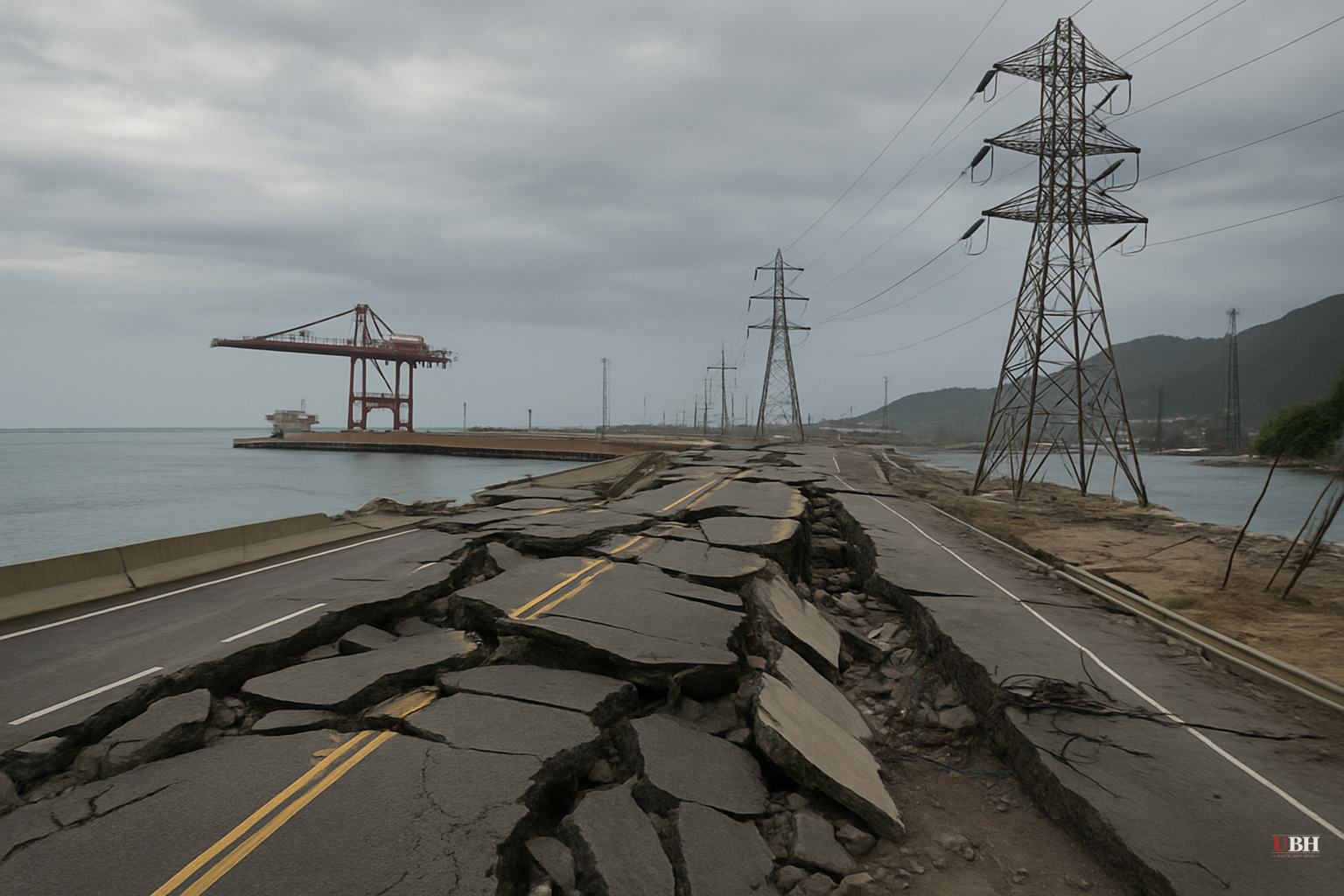
Since the magnitude 7.2 and 7.5 earthquakes struck Venezuela on June 24, the official death toll has risen to 2,595, with more than 12,000 injured and roughly 38,500 people still unaccounted for as of July 3.
Acting President Delcy Rodríguez announced the updated figure Friday during her first press conference since assuming power in January. The 300-death increase in a single day came more than a week after the initial tremors, while search and rescue teams are still working through rubble.
The Death Toll Dispute
The official numbers are already being challenged by people on the ground. One forensic pathologist, who asked to remain anonymous out of fear of retaliation, told CNN the government figure amounts to "not even a third of what is actually there."
The UN and Venezuelan authorities agreed to procure 10,000 body bags in anticipation of further deaths, according to UN Resident and Humanitarian Coordinator Gianluca Rampolla. An unofficial online list of missing persons showed roughly 60,000 unaccounted for in the days immediately after the quakes, dropping to about 38,500 since.
Nearly all local officials from La Guaira—the hardest-hit coastal state—were themselves killed, according to Rodríguez, which directly impairs the government's ability to count and report casualties accurately.
The Scale of Destruction
Nearly 800 buildings collapsed, including 189 completely destroyed, Venezuelan authorities said. A preliminary satellite analysis from NASA and Oregon State University researchers, updated June 30, estimated approximately 58,870 buildings were likely damaged or destroyed.
The UN Development Programme projected direct physical damage at $6.7 billion, roughly 6% of Venezuela's GDP. Risk modeler Verisk put total economic losses above $10 billion.
Simón Bolívar International Airport, the main gateway to Caracas, sustained severe damage. State oil company PDVSA's Catia La Mar fuel terminal, located in the disaster zone, is still being inspected. The government said oil exports remained largely steady after only minor terminal delays.
Rescue Operations, Aftershocks, and Rain
More than 2,000 rescue workers from 27 countries, along with over 160 search dogs deployed across 40-plus teams, have been working the site, according to Rampolla. The United Church of Christ's Global Relations Minister for Latin America, David Giron, said Venezuelan aid workers and citizens mobilized immediately alongside international teams.
Conditions remain dangerous. Approximately 500 aftershocks have been recorded since June 24, including a 5.2-magnitude tremor early Monday and a 4.6-magnitude aftershock on June 29 off the northern coast. A tropical wave has been threatening to bring heavy rains to already-destabilized areas.
The U.S. has deployed four search-and-rescue teams totaling more than 900 personnel inside Venezuela, with another roughly 800 staged in Puerto Rico and Curaçao, according to Reuters. The Trump administration pledged $150 million in humanitarian aid. Brazil, Mexico, Canada, Cuba, and Switzerland are also participating under UN coordination.
The Government's Defense
Rodríguez pushed back Friday on criticism that her government responded too slowly, saying an emergency decree activating civil protection and emergency protocols was issued within hours of the first tremors. A back-to-back 7.2 and 7.5 earthquake sequence, the strongest to hit Venezuela since 1900, would overwhelm any government's immediate response capacity, and La Guaira's near-total loss of local officials made coordination structurally harder from the start.
The more pressing concern is transparency. An anonymous forensic pathologist alleging the body count is less than a third of reality is a serious allegation. The Venezuelan government has not publicly addressed it. The allegation remains unproven, and no independent investigation has been announced. When the officials who would normally certify deaths are themselves among the dead, the audit trail is broken by definition.
What Comes Next
The UN is preparing three assistance centers in La Guaira for displaced families offering medical care, food, water, sanitation, and psychosocial support. Vanessa May, head of UN OCHA in Venezuela, said the emotional toll is as urgent as the physical one: "There are people who need a hug," she said, describing families still waiting for word on relatives known to be buried under debris.
Once active search operations conclude, the UN and partners plan rapid needs assessments, with particular attention to older people and persons with disabilities, followed by debris removal and early recovery efforts.
Venezuela has no credible independent authority currently positioned to produce a verified death count, and the government has given no indication it will permit one. Whether the real toll is 2,595 or something far higher may not be known for months, if ever.
Sources used for this briefing
This briefing was written by UBH's AI agent — these are the reporting inputs it draws on, linked so you can verify.


